Rosenior Outmanoeuvres a Ghost: Chelsea’s New Dawn Triumphs Over Conte’s European Curse
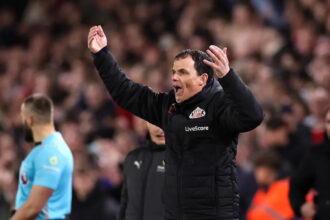
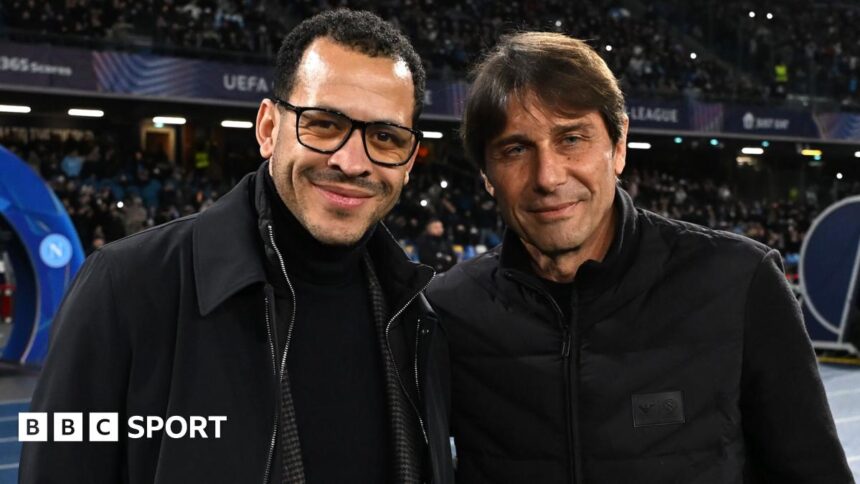
The script was written for a familiar, painful narrative. Antonio Conte, the returning conqueror, pacing the Stamford Bridge touchline with volcanic intensity. His Napoli side, a goal to the good, threatening to extend his successor’s European growing pains. But in a riveting 90 minutes that crackled with symbolic weight, the narrative was ripped up and rewritten. Under the guidance of Liam Rosenior, the novice who dared to occupy the Italian’s old office, Chelsea produced a stirring comeback, sealed by a Joao Pedro superb double, to secure a top-eight finish and a place in the Champions League last 16. This was more than a win; it was an exorcism.
A Bridge Haunted by Legacy
When the fixtures were drawn, this match was circled not just for its sporting significance, but for its profound emotional and historical resonance. Antonio Conte’s Napoli arrived in London with the former Chelsea boss shouldering a curious, persistent burden: for all his domestic dominance—a Premier League title and FA Cup in two seasons—Europe remained his Achilles’ heel at the Bridge. His Chelsea never progressed beyond the Champions League last 16. That unfulfilled potential cast a long shadow, one that seemed to darken when Khvicha Kvaratskhelia put Napoli ahead early in the second half.
Facing this specter was Liam Rosenior. Appointed just weeks prior, this was only his second Champions League match in charge. The contrast was stark: the meticulous, experienced tactician versus the new incumbent learning on the job at the highest level. Rosenior had publicly downplayed the personal duel, but the stakes were undeniable. A loss would have seen Chelsea stumble, questions about his readiness magnified, and Conte’s legacy reinforced. The stage was set for a masterclass, but the master was not who we expected.
The Rosenior Blueprint: Tactical Nuance Over Turbulence
Where Conte’s Chelsea were famed for explosive, emotional football, Rosenior’s response to going down was marked by a composed, strategic shift. He did not panic. Instead, he made calculated interventions that altered the game’s geometry.
- Midfield Reconfiguration: Introducing a deeper-lying playmaker allowed Chelsea to bypass Napoli’s ferocious press and establish control in central areas.
- Dynamic Width: Pushing the wing-backs higher and instructing wingers to drift inside created overloads and stretched Napoli’s famed back three.
- The Joao Pedro Catalyst: The decision to deploy the Brazilian in a fluid, central role, rather than a fixed striker, exploited the space between Napoli’s lines. His movement became the key to unlocking the defense.
This was not reactive football; it was a clear, intelligent adaptation. Rosenior, the student of the game, was out-thinking the master. The equalizer, a sweeping team move finished calmly by Joao Pedro, was a direct product of this tactical shift. The comeback victory was engineered from the dugout.
Joao Pedro: From Talent to Terminator
While the manager provided the blueprint, Joao Pedro provided the breathtaking execution. His first goal showcased razor-sharp instincts and composure. His second, the winner, was a moment of individual brilliance—receiving the ball on the edge of the box, a swift turn to create a yard of space, and an unstoppable, curling drive into the far corner. This superb double announced his arrival as Chelsea’s clutch performer in Europe.
Beyond the goals, his work rate and link-up play embodied the new collective spirit Rosenior is fostering. He is no longer just a prospect; he is the focal point of a Chelsea attack learning to thrive under pressure. His performance underscored a vital truth for the new era: tactical plans need match-winners, and in Joao Pedro, Rosenior has found his.
Conte’s European Woes: A Psychological Hurdle?
For Antonio Conte, this defeat will sting beyond the three points. His European woes continue, now with a cruel twist. Beaten by his old club, outsmarted by his successor. Napoli, under his guidance, looked formidable in phases but ultimately fragile when Rosenior’s Chelsea altered the tempo. Questions will follow Conte back to Italy. Does his intensely demanding, emotionally draining style—so effective in the marathon of a league season—leave something behind in the high-stakes, tactical chess of Champions League knockouts? The evidence is mounting, and this latest chapter, written on his old ground, is perhaps the most damning yet.
What This Means for Chelsea’s Future
This victory is a potential watershed moment for the Rosenior project. The immediate reward is a top-eight finish and progression as group winners, a tangible marker of success. But the intangible gains are greater.
- Legacy Pressure, Lifted: The team has proven it can win the biggest games without relying on the ghosts of past managers.
- Managerial Authority, Cemented: Rosenior has earned the unwavering trust of the squad and the fanbase with a tactical victory of the highest order.
- Identity, Forged: This comeback showcased a blend of tactical intelligence, resilience, and flair—a promising foundation for a new Chelsea identity.
Looking ahead, Chelsea will enter the last 16 draw with confidence, not as fearful newcomers but as a side capable of adapting and overcoming elite opposition. The Premier League campaign, too, will feel the ripple effect. This is a team that now believes in its process and its leader.
Conclusion: A Passing of the Torch at Stamford Bridge
Some victories resonate through scorelines and tables. Others resonate through history and sentiment. Chelsea’s triumph over Napoli was emphatically the latter. In one evening, Liam Rosenior moved from being the man who followed Antonio Conte to the man who moved past him. He navigated a tactical battle against one of Europe’s most respected minds and emerged victorious, catalyzed by a stellar performance from Joao Pedro.
Conte’s shadow at Stamford Bridge has not been erased—his title win ensures immortality—but it has been confronted and, for now, diminished. The European woes continue for the Italian, while for Chelsea and their new manager, a fresh, exciting chapter is being written. The message from SW6 is clear: the past is respected, but the future is now being played for, and under Liam Rosenior, it looks extraordinarily bright.
Source: Based on news from BBC Sport.