2026 NFL Draft Running Back Rankings: A Deep Dive Beyond the Generational Talent
Following our in-depth look at the 2026 quarterback class, the spotlight now shifts to the men in the backfield. The prevailing narrative in scouting circles suggests this is a down year for running backs, with one luminous exception casting a long shadow. However, to dismiss this group based on that top-heavy perception would be a profound scouting error. While a generational prospect rightly commands the headlines, the true value of the 2026 running back class lies in its remarkable depth and the plethora of future NFL starters waiting to be unearthed on day three of the draft.
Jeremiyah Love: The Clear-Cut, Generational No. 1
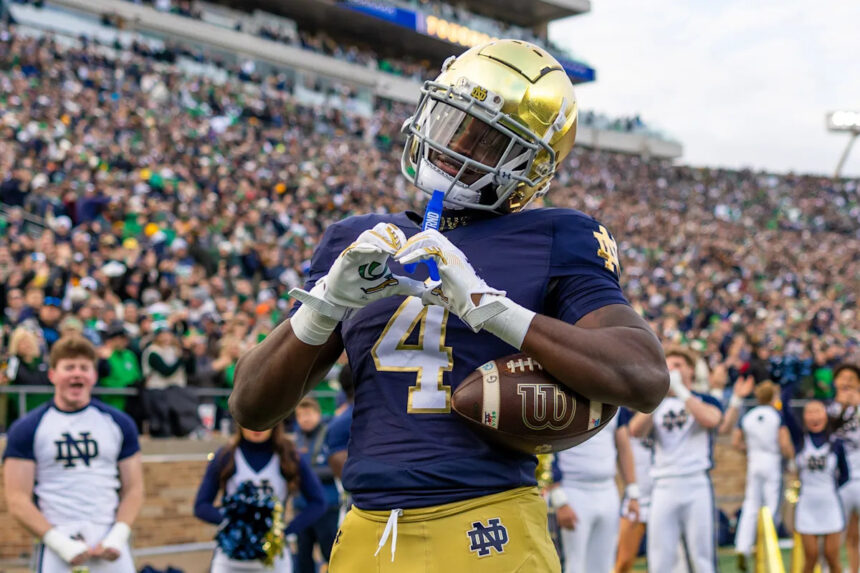
Let’s address the elephant in the room first. The term “generational” is arguably the most overused descriptor in draft lexicon, but in the case of Jeremiyah Love, it is the only one that fits. He is not just the top running back in this class; he is the prospect who would have vied for the RB1 title in most drafts of the last decade. Love possesses a rare, complete toolkit: elite contact balance that defies physics, home-run speed that turns a crease into a 70-yard touchdown, and surprisingly polished receiving chops for a back of his size and physical running style. His vision is preternatural, and his ability to contribute immediately in pass protection makes him a true three-down weapon from day one. The rankings, in all honesty, begin at number two. Love is in a tier of his own, a franchise-altering talent who will command immediate top-10 draft capital.
Unearthing Day Two Gems and Potential Steals
Beyond Love, the draft offers a fascinating mix of high-ceiling talents and proven producers who are being undervalued. This is where astute NFL teams will separate themselves, finding foundational pieces outside of the first round.
Chief among the undervalued is Nick Singleton. The warning is clear: do not let a statistically down final collegiate season fool your evaluation. Singleton’s blend of power, burst, and proven production in a major conference is undeniable. Had he declared for the 2025 draft, he likely would have been the first back off the board. He is a classic “buy low” candidate whose athletic profile and proven ability to handle a heavy workload scream NFL starter. He is the quintessential day two selection who could outplay his draft position by a wide margin.
Another name poised to outperform his draft slot is Demond Claiborne of Wake Forest. While he may not carry a first-round grade, Claiborne’s professional projection is incredibly bright. His game is built on decisive, one-cut explosiveness and a sneaky ability to create yards after contact. He possesses the receiving skills and football IQ to develop into a primary back in a committee. Take note, fantasy football players: Demond Claiborne has all the makings of a top fantasy running back within his first two professional seasons. His path to relevance is clear and attainable.
Further down the list, a player like Mike Washington Jr. from Arkansas embodies the depth of this class. A powerful, between-the-tackles grinder with soft hands, Washington projects as a valuable short-yardage and goal-line specialist early in his career, with the potential to grow into more. He is precisely the type of reliable, rotational piece that championship teams find on the draft’s third day.
Why This Running Back Class is Deeper Than Advertised
The critique of this class stems from the lack of perceived “star power” behind Jeremiyah Love. But modern NFL roster construction isn’t solely about finding bell-cow superstars; it’s about constructing a cost-effective, versatile, and punishing backfield. The 2026 draft is perfectly suited for this philosophy. We have identified at least six prospects who project as legitimate NFL starters. More importantly, the class is saturated with players who offer specific, high-level skills:
- Third-down specialists with elite pass-catching acumen.
- Power backs built to wear down defenses in the fourth quarter.
- Scheme-versatile runners who can excel in zone or gap concepts.
This distribution of talent means that every team, regardless of offensive system, can find a player who fits their needs without spending premium capital. The “quality backups scattered throughout” are, in reality, future core special teamers and valuable rotational players who will have long, productive careers. In today’s NFL, that represents tremendous value.
Final Predictions and Draft Outlook
As we look ahead to the 2026 NFL Draft, expect the narrative to solidify but also for smart teams to zag while others zig. Jeremiyah Love will be a top-15 pick, a potential Offensive Rookie of the Year frontrunner. The real drama begins in the second round.
Here is how we see the early landscape shaping up:
- First Round Lock: Jeremiyah Love. He is the only surefire first-rounder, but he’s worth the price.
- Day Two Surge: Look for Nick Singleton to hear his name called in the second round, with a team getting a steal. His combine performance will be critical.
- Fantasy Sleeper to Watch: Demond Claiborne will land in a situation where his skills are maximized, leading to immediate fantasy relevance in PPR formats by his second season.
- Day Three Value: At least three future NFL starters will be selected in rounds 4-7. The depth here is real.
The team that drafts Love will get a transformative talent. But the teams that master the middle and late rounds of this draft, identifying the Singleton’s and Claiborne’s of the world, will build the sustainable, deep backfields that propel teams deep into January. The 2026 running back class isn’t a down year; it’s a lesson in nuanced evaluation and a treasure trove for those willing to look beyond the one shining star at the summit.
Source: Based on news from Yahoo Sports.