


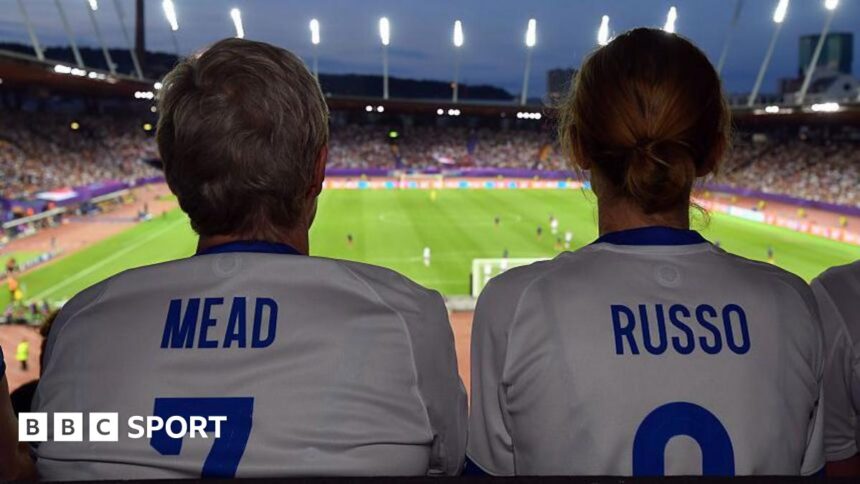
Sexism in Football: The Unseen Red Card That Stifles the Beautiful Game
The roar of the crowd, the collective gasp at a near miss, the unbridled joy of a last-minute winner—these are the universal languages of football fandom. For Angela, a 72-year-old Liverpool supporter who has traversed decades of triumphs and heartaches from the stands, these sensations are a part of her life’s fabric. Yet, her expertise, her loyalty, her very right to be there is routinely challenged. The reason is as archaic as it is unjust: she is a woman. Her experience is not an anomaly; it is a symptom of a deep-seated disease within the sport. Sexism in football remains a persistent, ugly stain on the beautiful game, a problem that, despite surface-level progress, is not going away.
“It Shook Me to the Core”: The Lived Reality of Female Fans
Angela’s story is echoed in stadium concourses, pub debates, and social media threads across the country. The dismissive sneer, the patronizing “explanation” of the offside rule she’s understood for fifty years, or the blatant hostility: “Shut up. What do you know about football? You should be in the kitchen getting your husband’s tea.” This isn’t just banter; it’s a deliberate tactic to exclude. It sends a clear message: this is a male domain. For many women, this constant questioning of their credentials creates a state of hyper-vigilance. They feel they must know more, be more vocal, and have their facts irrefutably ready to justify their presence. The emotional toll is significant. As one fan put it, ‘It shook me to the core’—a profound reaction to the realization that your passion exists in a space where you are considered an interloper.
This environment fosters a culture of silent endurance. Many female fans, especially those attending alone or in small groups, will choose not to celebrate too wildly or protest a dubious call for fear of drawing unwanted attention or aggression. This self-censorship robs the atmosphere of genuine, diverse voices and confines the experience for a significant portion of the supporter base.
Beyond the Stands: A Systemic Issue at Every Level
While the fan experience is the most visceral manifestation, institutional sexism in football is a hydra with many heads. The problem is systemic, woven into the sport’s infrastructure.
- Media Representation: Punditry and commentary boxes remain overwhelmingly male. Female experts are often tokenized, their analysis scrutinized through a harsher lens, or relegated to “women’s football” segments. The message is implicit: men analyze the serious, mainstream game; women discuss the niche.
- Leadership & Governance: Boardrooms and executive suites in men’s professional clubs and federations are still predominantly male. This lack of diversity at the decision-making table means the experiences and perspectives of half the potential audience are often an afterthought in marketing, safety policies, and fan engagement strategies.
- The Abuse Vortex Online: Social media has become a cesspool of gendered abuse for anyone involved in the game. Female journalists, pundits, players’ partners, and even fans face a torrent of misogynistic vitriol designed to intimidate and silence. This isn’t criticism; it’s coordinated harassment that has tangible effects on careers and mental health.
- The “Pinkification” of Fandom: Clubs often approach engaging female fans through reductive stereotypes—pink replica kits, “ladies’ day” events focusing on fashion over football. While well-intentioned, this can alienate by suggesting women need a separate, softened gateway into the sport, rather than valuing them as core, knowledgeable supporters.
The False Dawn of Progress: Why Hasn’t It Gone Away?
There have been strides. The women’s game is more visible than ever, there are more female referees and coaches in the men’s pyramid, and campaigns like Her Game Too have vitalized the conversation. Yet, the core attitudes persist. Why?
First, football culture is historically tribal and resistant to change. For some, a masculine football identity is intertwined with a sense of self. Challenging sexist norms within supporter groups is seen as undermining this identity, leading to defensive and entrenched positions.
Second, progress is often performative. A club may post support for International Women’s Day but fail to address the misogynistic chants from a section of its hardcore support. There is a gap between corporate messaging and the grassroots culture on the terraces.
Finally, accountability is scarce. Online abuse is rarely met with real-world consequences from platforms or authorities. Sexist remarks in grounds often go unchallenged by stewards or fellow fans. This creates a permissive environment where such behavior is normalized.
The Road to Reform: A Multi-Pronged Attack on Prejudice
Eradicating this deep-rooted issue requires concerted, unglamorous effort from every stakeholder in football. It is not about displacing traditional fans but about expanding the definition of who a “proper” fan can be.
Clubs and Authorities Must Lead: Zero-tolerance policies must be enforced, not just written. This means swift, public bans for verified sexist abuse in stadiums and proactive work with social media companies to identify and sanction offenders. Diversity targets for leadership and punditry are necessary to shatter the glass ceiling.
A Cultural Shift in Supporter Groups: The most powerful change can come from within. Respected fan groups and influencers must call out sexist behavior among their own. Celebrating the long-standing female fans like Angela, sharing their stories and knowledge, can help redefine the archetype of a loyal supporter.
Education from the Grassroots Up: Academies and youth teams should integrate discussions on respect and equality into their programs. The next generation of players and fans should be taught that passion for the game is not gendered.
Conclusion: The Final Whistle on Silence
The story of Angela, the 72-year-old Liverpool fan, is a damning indictment. After decades of dedication, her place is still questioned. This is the very essence of football’s sexism problem: it is illogical, deeply personal, and relentlessly persistent. It tells women and girls that their love for the game is conditional, subject to the approval of a gatekeeping majority. Until the sport undertakes a sincere, systemic, and uncomfortable reckoning—moving beyond token gestures to actively dismantle exclusionary attitudes—the chorus of abuse and dismissal will continue to echo. The goal is not simply to make space for women in football, but to recognize that the space was always partly theirs. The final whistle on this prejudice is long overdue. The beautiful game will only be truly beautiful when everyone, regardless of gender, can simply enjoy the view from the stands.
Source: Based on news from BBC Sport.
