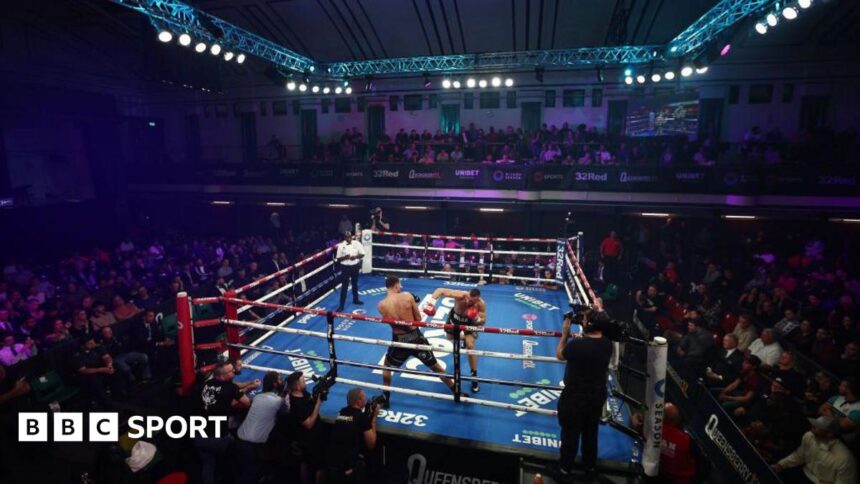
Small Halls in Crisis: Boxing’s Grassroots Gasping for Air
The smell of sweat and liniment hangs thick in the air. The ring ropes groan under the weight of two local heroes trading leather in front of a few hundred roaring fans. This is not the bright lights of Las Vegas or a packed arena; this is small-hall boxing, the unglamorous, visceral, and utterly essential foundation upon which the entire sport is built. But today, that foundation is cracking. From the iconic York Hall in Bethnal Green to provincial leisure centres across the UK, the lifeblood of boxing is struggling to breathe, threatening the future of the sport from the ground up.
The Reluctant Promoter: A Labour of Love and Loss
To understand the crisis, talk to the men and women in the trenches. Steve Wood, a stalwart small-hall promoter whose shows have launched countless careers, voices a sentiment echoing through the community. “You get involved and you can’t get out,” he admits, pondering aloud why he stays in a sport that is “struggling to stay alive” at his level. This isn’t the complaint of a novice; it’s the weary reflection of a veteran witnessing a slow decline. For promoters like Wood, the equation has become brutally simple: costs are skyrocketing, while ticket sales are down. The thin margins that once allowed for passion to turn a modest profit have vanished, replaced by a high-stakes gamble where the house—the promoter—often loses.
The financial strain creates a vicious cycle. With less gate revenue, purses for fighters stagnate. Venue hire, medical costs, and sanctioning fees continue to rise. The promoter absorbs the loss, questioning the viability of the next show. This isn’t just business; for many, it’s a vocation. But when the passion project consistently bleeds money, even the most dedicated begin to look for the exit.
The Fighter’s Dilemma: Dreams Deferred by Economic Reality
The crisis at the small-hall level doesn’t just hurt promoters; it strangles the talent pipeline. These shows are the proving grounds, the essential first chapters in a fighter’s story. Here, prospects learn their trade, journeymen earn a living, and local favourites become heroes. But with opportunities shrinking, the dream is dying young.
Many fighters who once filled these cards are now retiring prematurely, not due to a lack of talent or heart, but because of a stark lack of opportunities to earn enough. The path from the small hall to television and bigger paydays has grown longer, more crowded, and less certain. The traditional apprenticeship—fighting often, learning on the job, building a record and a fanbase—is becoming financially impossible. The consequences are profound:
- A Shallower Talent Pool: Without a healthy small-hall circuit, the sport fails to develop the depth of talent needed to supply the elite level.
- Lost Local Stars: Communities lose their homegrown heroes, figures who inspire the next generation in their own towns.
- Increased Risk for Prospects: With fewer fights, young boxers are rushed or ill-prepared when they do get bigger opportunities, affecting their safety and career longevity.
The sport is, effectively, eating its own seed corn.
A Perfect Storm: Why the Small Hall is Sinking
Several converging factors have created this existential threat to grassroots boxing. It’s not one issue, but a perfect storm that has left promoters and fighters scrambling.
The Cost of Living Crisis: This is the uppercut that has rocked the entire model. Disposable income for the traditional small-hall fan—the working-class supporter—has evaporated. A night out at the fights, once an affordable passion, is now a luxury. Families must choose between heating, eating, and buying a ticket. The result is rows of empty seats, even for well-matched local derbies.
The Sky-Sports & DAZN Effect: While more boxing on television seems positive, it has altered fan psychology. Why travel to a draughty hall, pay for tickets, drinks, and transport, when you can watch world-class fighters from your sofa for a monthly subscription? The value proposition of the live small-hall experience has been undermined.
The Overhead Squeeze: Every line item has increased. Security, medical requirements (including costly brain scans), insurance, and venue hire have all soared post-pandemic. The ticket price increases needed to cover these costs further alienate the core audience.
The Social Shift: The communal, Friday-night-at-the-fights ritual competes with a universe of digital entertainment and changing social habits. Capturing the attention of a new, younger audience requires marketing savvy and investment that small-hall promoters often lack.
Can the Bell Be Saved? Pathways to a Future
All is not lost, but saving the small hall requires urgent, innovative thinking and a recognition from the wider sport that its grassroots are not just romantic, but vital. The solution must be a collective effort.
1. Embrace Hybrid Models & Digital Reach: Promoters must leverage streaming. Low-cost PPV streams of local shows can tap into the diaspora of ex-pats and fans who have moved away, creating a new, global revenue stream for a hyper-local product. This isn’t about competing with TV giants, but about monetizing loyal, niche audiences.
2. Strategic Partnerships & Investment: The elite level of the sport needs to reinvest. Big promoters and TV networks could establish formal development deals or grant schemes with reputable small-hall promoters. This ensures a steady flow of well-prepared talent for their future mega-fights. It’s an investment in their own ecosystem.
3. Reimagining the Fan Experience: The event must offer more than just boxing. It needs to be a compelling night out—better food, fan interactions with fighters, live music, or themed events. The goal is to make it an unmissable social event, not just a sporting contest.
4. Local Authority & Business Support: Councils must recognize these events as vital community assets that bring people together and support local economies. Subsidized venue hire or business rate relief could be the difference between a show happening or folding.
5. Fighter-Promoter Co-ops: Fighters, particularly those with local followings, could work more closely with promoters on ticket sales, sharing in the risk and reward, fostering a true partnership for survival.
The Final Round: More Than Just a Business
The struggle of the small hall is about more than balance sheets. It’s about the soul of boxing. York Hall and its provincial counterparts are the cathedrals of the sport’s true essence. They are where character is forged, where stories begin, and where the raw, unfiltered connection between fighter and fan is most powerful. When Steve Wood asks why he stays, the answer lies in that intangible magic—the hope of discovering a future champion, the roar of a hometown crowd, the sheer, brutal beauty of two athletes giving everything for a dream.
But romance doesn’t pay bills. If the sport’s stakeholders continue to take the small hall for granted, they risk severing the very roots that feed the tree. The path forward requires innovation, investment, and a collective acknowledgment that boxing’s glittering pinnacle cannot exist without its gritty, passionate, and struggling foundation. The ten-count has begun. It’s time for the sport to answer the bell.
Source: Based on news from BBC Sport.