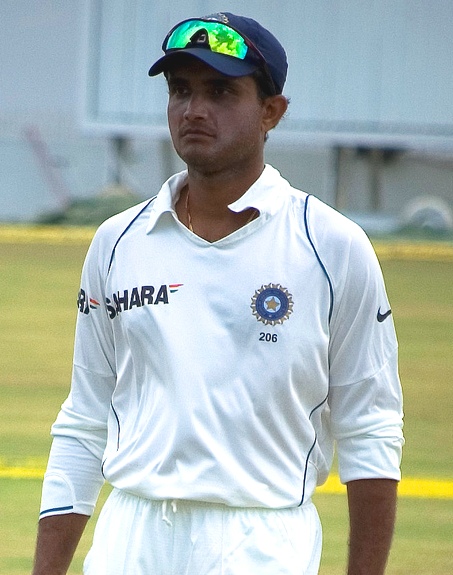
Sourav Ganguly Stunned by Pakistan’s T20 World Cup Boycott: A Political Gambit Overshadows Cricket’s Greatest Rivalry
The cricketing world was set alight not by a blistering century or a searing yorker, but by a political declaration that threatens to fracture the sport’s most intense rivalry. As the ICC Men’s T20 World Cup 2026 commenced, Pakistan’s shocking decision to boycott its marquee group match against India has drawn a reaction of pure disbelief from one of the architects of modern Indian cricket, Sourav Ganguly. The former India captain and current Cricket Association of Bengal (CAB) president expressed his surprise, highlighting the unprecedented nature of a move that has cast a long shadow over the global tournament even as its opening matches get underway.
Ganguly’s Candid Reaction: “First Time I’ve Heard This”
In a statement that resonated with fans and pundits alike, Sourav Ganguly cut through the geopolitical noise with a cricketer’s straightforward perspective. “I don’t know why Pakistan won’t play against India in the World Cup match. This is the first time I’ve heard that Pakistan won’t play against India in the World Cup,” Ganguly stated. His surprise is well-founded. While bilateral cricket between the two nations has been suspended for over a decade, they have consistently met in ICC tournament matches, treating fans to some of the most high-octane, emotionally charged contests in the sport’s history. A boycott at a global event represents a significant and worrying escalation, moving the friction from the boardroom directly onto the world stage.
Ganguly’s tenure as captain was defined by a fierce, unyielding competitive spirit against Pakistan, most memorably in the 2003 World Cup and the historic 2004 Test series victory in Pakistan. For a figure synonymous with this rivalry, the notion of a voluntary forfeit is alien. His reaction underscores a fundamental cricketing ethos: on the field, sport should transcend political disputes. The boycott stance, announced as the T20 World Cup begins, disrupts not just the tournament schedule but a cherished narrative of one of sport’s ultimate confrontations.
Security and Spectacle: Kolkata Gears Up Amidst Controversy
Even as the boycott news dominated headlines, the practical machinery of hosting a safe and successful World Cup continued at full throttle. The tournament opened in Colombo, but all eyes in India are on Kolkata’s Eden Gardens, set to host its first match. The iconic venue, of which Ganguly is president, is under a massive security blanket. The city’s police commissioner conducted a personal review of arrangements, reflecting the heightened state of alert.
Key security and organizational measures at Eden Gardens include:
- Close coordination between CAB, BCCI, and ICC officials.
- Extensive deployment of city police and specialized security forces.
- Advanced surveillance and access control systems throughout the stadium perimeter.
- Personalized briefings and checks for all accredited personnel and teams.
This meticulous preparation highlights a stark contrast: while Indian authorities are working tirelessly to ensure a secure environment for all teams and fans, the Pakistan boycott decision creates an absence where a sporting war was expected. The enhanced security also subtly underscores the very tensions that have led to Pakistan’s stance, creating a complex backdrop for a tournament meant to celebrate cricket.
India’s Home Advantage and Ganguly’s World Cup Outlook
Shifting focus from the boycott, Ganguly, ever the astute cricket brain, provided his analysis on the tournament itself. He firmly placed India among the frontrunners, citing the powerful advantage of playing at home. “It’s a World Cup at home. India’s chances are bright on home soil,” he asserted. This home advantage encompasses familiar pitches, massive crowd support, and the absence of travel fatigue, factors that have proven decisive in previous Indian World Cup triumphs.
However, Ganguly’s analysis wasn’t solely focused on his homeland. He expressed clear disappointment over Bangladesh’s absence from the tournament, stating the team should have been present. This comment reflects a regional solidarity and a recognition of Bangladesh’s growing cricketing stature. His balanced perspective—lamenting the absence of a neighbor while backing his own team—stands in opposition to the binary, exclusionary nature of the boycott.
Ganguly’s tournament predictions, implicit in his statements, hinge on:
- India’s potent batting lineup and versatile bowling attack being perfectly suited to home conditions.
- The psychological and tactical edge provided by overwhelming fan support.
- The potential for other subcontinental teams, well-versed in similar conditions, to pose significant challenges.
The Unraveling Fabric of Cricket’s Premier Rivalry
Pakistan’s boycott announcement is more than a forfeited match; it is a symbolic severing of a thread that has woven through decades of cricketing history. The India-Pakistan cricket match is an event that stops two nations, generating unparalleled viewership and passion. It is a pressure cooker that has forged legends and created indelible memories. By choosing to step away, Pakistan’s cricket board is prioritizing political posturing over athletic competition, setting a dangerous precedent for the sport’s governance.
The immediate implications are clear: India would likely be awarded the points for the match, significantly altering the dynamics of their group. But the long-term consequences are graver. It risks legitimizing the use of ICC events as leverage in political disputes, undermining the ICC’s authority and the very principle of a “World” Cup. For fans, it is a profound loss—the denial of a spectacle that comes around only a handful of times each decade. The energy of an Eden Gardens or a MCG awaiting this clash is unmatched, and its absence will leave a palpable void in the tournament’s narrative.
Conclusion: A Cup Overshadowed, A Principle Challenged
The 2026 T20 World Cup has begun under a cloud, one not of weather, but of geopolitics. Sourav Ganguly’s surprise at Pakistan’s boycott is a sentiment shared by the pure cricket lover worldwide. While Kolkata fortifies its storied grounds and teams begin their quest for glory, the specter of an empty pitch where a clash of titans should have been looms large. Ganguly’s confidence in India’s chances remains high, and the show will undoubtedly go on with thrilling cricket from other nations. However, the tournament is now indelibly marked.
This episode forces a reckoning. It challenges the ICC to defend the sanctity of its events. It questions whether the spirit of cricket can withstand the weight of persistent political discord. And for the millions of fans across borders who cherish this rivalry, it is a sobering reminder that the game they love is often a pawn in a much larger, more complex game. The hope remains that cooler heads will prevail, and the roar of the crowd will once again, someday, drown out the noise of division. Until then, the World Cup, and cricket itself, is poorer for it.
Source: Based on news from India Today Sport.
Image: CC licensed via commons.wikimedia.org