Spurs in the Spotlight: Fan Trust Erodes Over Alleged Editing of Meeting Minutes
The relationship between a football club and its supporters is built on a fragile foundation of trust and shared passion. For Tottenham Hotspur, a club that prides itself on its modern, world-class infrastructure and global brand, that foundation now appears to have developed a significant crack. An accusation from the Tottenham Hotspur Supporters’ Trust (THST)—that the club selectively edited the official minutes of a high-level meeting—has sparked a controversy that cuts far deeper than typical fan discontent. It strikes at the very heart of transparency and communication, raising alarming questions about what the club’s hierarchy is willing to hear, and more importantly, what it chooses to record.
A Meeting of Minds, or a Clash of Narratives?
The pivotal encounter took place on 3 February 2024, a date that would gain greater significance just eight days later with the sacking of head coach Thomas Frank. In the room were representatives of the THST and key figures from the Spurs board, including Chief Executive Vinai Venkatesham. Such forums are designed as a crucial bridge between the club’s decision-makers and its lifeblood—the fans. They are meant to be candid, sometimes uncomfortable, exchanges where concerns are aired and feedback is given.
According to the THST, the discussion was indeed forthright. Fans reportedly voiced stark warnings about the tangible risk of relegation from the Premier League, a fear that has lingered in the background of a turbulent season. They also expressed that the belief and momentum once generated by a successful Europa League campaign had been utterly “lost.” These are not trivial points; they are existential concerns from a dedicated fanbase witnessing a period of pronounced instability.
The rupture occurred when the club published its official record of the meeting. The THST alleges two critical omissions:
- The entire section detailing fan fears of relegation and the lost Europa League belief was absent.
- A line where the club reportedly “welcomed the input of THST” was also missing.
In the world of corporate communications and fan engagement, minutes are not just a transcript; they are the official, sanitized history of a discussion. By allegedly removing these specific critiques and a gesture of collaboration, the club stands accused of crafting a narrative that is more palatable but less truthful.
Expert Analysis: More Than a Simple Oversight
To dismiss this as a bureaucratic error would be to profoundly misunderstand its implications. Sports governance and fan-relationship experts point to a pattern of concerning behavior. “This is a classic case of message control,” notes Dr. Emily Carson, a specialist in sports club governance. “When a club filters out dissent and concern from its official records, it is effectively denying that those concerns were ever legitimately raised. It creates a gap between the lived experience of the supporters and the curated reality presented by the club. This erodes trust faster than any losing streak.”
The timing of the meeting, just over a week before Thomas Frank’s dismissal, adds another layer of intrigue. Were the fan concerns about direction and relegation so acute that they contributed to the board’s decision to act? Or was the decision already made, making the fans’ warnings an inconvenient truth to be omitted from the record? The editing of the minutes fuels speculation that the club is keen to present an image of unified, top-down decision-making, rather than one influenced by vocal fan pressure.
Furthermore, the removal of the phrase welcoming the THST’s input is seen as particularly symbolic. “It transforms the minutes from a record of dialogue into a record of monologue,” says journalist and Spurs historian, David Lane. “It negates the very purpose of the meeting. The THST isn’t a fan club; it’s an elected, representative body. To omit their acknowledged role is to subtly delegitimize them.” This incident did not occur in a vacuum. It follows years of tension over ticket prices, the club’s Super League involvement, and strategic direction, making it a potential tipping point in fan-board relations.
Predictions: Repercussions On and Off the Pitch
The fallout from this controversy is likely to manifest in several key areas:
- Erosion of Trust: The immediate and most damaging effect will be a further decline in trust between the organized fan base and the board. Future meetings will be shrouded in skepticism, with fans likely to record conversations independently.
- Increased Scrutiny: Every future communication from the club, from press releases to chairman’s statements, will be subjected to heightened scrutiny. The board’s credibility has taken a direct hit.
- Matchday Atmosphere: While the team continues its fight on the pitch, a segment of the most engaged fans may carry this grievance into the stadium. Protests or targeted chants directed at the executive box, rather than the dugout, could become more prevalent.
- Managerial Pressure: Any new permanent manager will walk into a environment where a portion of the fanbase feels disconnected from the upper management. Uniting the entire club ecosystem will be an additional, unenviable task.
Ultimately, the club faces a choice. It can treat this as a PR issue to be managed, or as a fundamental breach of faith that requires genuine repair. The former path leads to more friction and potential alienation. The latter requires a public acknowledgment, a commitment to unedited transparency, and perhaps even a ceding of some control over the narrative—a difficult but necessary step.
A Crossroads for the Modern Spurs Project
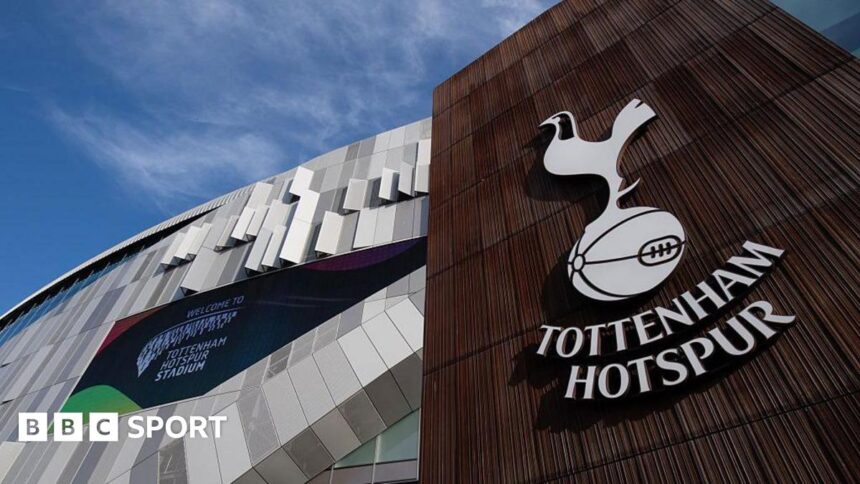
Tottenham Hotspur played its first competitive game at the gleaming Tottenham Hotspur Stadium in April 2019, symbolizing a bold leap into a future of elite status and commercial power. Yet, the current crisis is a stark reminder that the most advanced stadium in the world is meaningless without the soul of a contented community. The alleged editing of the meeting minutes is a symptom of a deeper ailment: a potential disconnect between the corporate entity Spurs has become and the community-based institution it still needs to be.
The club’s leadership now stands at a crossroads. They can continue to curate a reality that suits their strategic communications, or they can embrace the messy, difficult, but authentic dialogue that is the hallmark of a truly great club. The fans have spoken, and their words—all of them—deserve to be heard. Restoring trust will require more than wins on the pitch; it will require a fundamental respect for the voice of the supporter, unedited and in full. The future vibrancy of the club depends on which version of history they choose to write from this point forward.
Source: Based on news from BBC Sport.