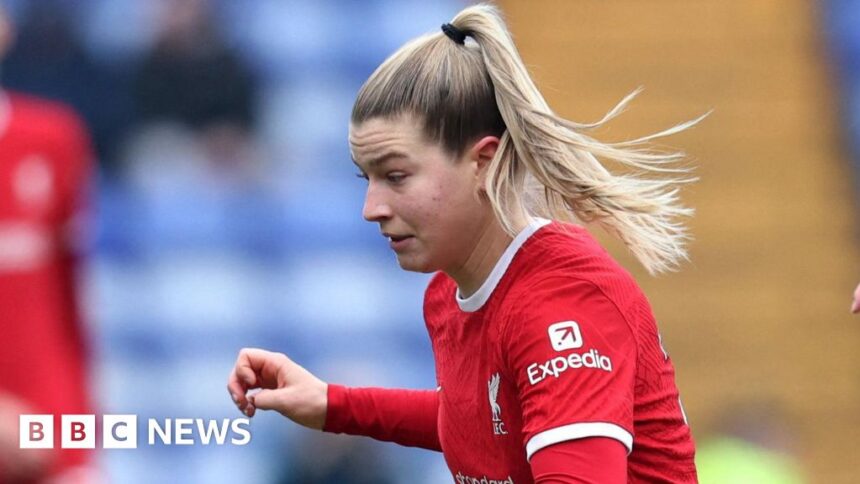
Stalker’s Disturbing Campaign: How Online Harassment Impacted Liverpool’s Marie Hobinger
The line between fervent support and criminal obsession is one that, when crossed, shatters the illusion of safety for public figures. In a case that lays bare the dark underbelly of modern fandom, a father-of-two has been found guilty of a sustained stalking campaign against Liverpool and Austria midfielder Marie Hobinger. The details, revealed at Westminster Magistrates’ Court, describe a distressing invasion that transcended the digital screen, affecting the player’s mental well-being, her performance, and her fundamental sense of security.
A Campaign of Fear: From Digital Messages to Real-World Anxiety
The court heard how Mangal Dalal, 42, of Marylebone, west London, used Instagram to target the rising football star. His messages were not merely intrusive; they were sexually aggressive and deeply unsettling. Dalal sent Hobinger pictures of underwear and expressed a desire to rip her shorts off. This wasn’t a single misguided comment but a pattern of behavior that constituted a serious crime: stalking.
For Hobinger, the impact was profound and painfully tangible. The harassment forced her to alter her daily life, a common but devastating consequence for stalking victims. The court was told she began to hold back from mixing with fans on matchdays—a fundamental and joyful part of a professional athlete’s interaction with their support base. Perhaps most chillingly, the anxiety permeated her private sanctuary; she reported feeling anxious in her own home. This case underscores a critical truth: online harassment is never confined to the digital realm. It spills over, dictating behavior, sowing fear, and stripping away personal freedom.
- Guilty Plea: Dalal pleaded guilty to stalking at Liverpool Magistrates’ Court in December.
- Court Outcome: He was handed an 18-month community order, a two-year restraining order, and ordered to pay £650 in costs plus a £114 victim surcharge.
- Core Impact: Hobinger stated her performance on the pitch was directly affected by the distress caused.
Expert Analysis: The Growing Scourge of Athlete Stalking
Sports psychologists and security experts point to this case as a stark example of a worsening trend. The accessibility provided by social media, while a powerful tool for fan engagement, has also lowered the barrier for obsessive individuals to project their fixation directly onto athletes. “What we see here is a classic escalation from parasocial interaction—the one-sided relationship fans feel with celebrities—into delusional and threatening behavior,” explains Dr. Eleanor Vance, a specialist in athlete welfare. “The athlete’s workplace is a public arena, and their schedule is often known. When a stalker injects themselves into that dynamic, the victim’s entire world becomes a potential crime scene.”
The specific mention that Hobinger’s performance on the pitch was affected is a crucial detail often overlooked. Elite performance hinges on mental clarity, focus, and a state of flow. The constant background hum of threat and violation erodes these foundations. Training, recovery, and tactical preparation can all be undermined by the psychological toll of stalking. Clubs are increasingly aware of this, but protection remains complex, balancing openness with necessary seclusion.
This incident also highlights the gendered nature of much sports-related harassment. Female athletes are disproportionately targeted with sexualized and invasive commentary, which can quickly morph into the kind of criminal behavior seen in this case. The football world, and sports at large, must view such incidents not as isolated PR problems but as serious welfare and security failures that require proactive, specialist intervention.
Predictions: A Watershed Moment for Player Protection Protocols?
The Hobinger case is likely to become a reference point in how football clubs and governing bodies handle the digital safety of their players. We can anticipate several developments in the wake of this very public legal outcome:
Enhanced Social Media Training and Support: Clubs will move beyond simple warnings about posting content. Expect mandatory, detailed workshops on privacy settings, recognizing red-flag behavior, and clear, confidential reporting pathways within the club structure that lead directly to legal and security teams.
Closer Ties with Law Enforcement: Proactive partnerships between club security departments and police cyber-crime or stalking units will become essential. The swift action following Hobinger’s report is commendable, but establishing protocols before an incident occurs is key.
Mental Health Front and Center: The admission that on-field performance suffered will resonate in boardrooms. Protecting a multi-million pound asset means protecting their mental state. Investment in dedicated, trauma-informed psychological support for athletes facing harassment will be seen as a non-negotiable.
Fan Education Campaigns: While the vast majority of fans are respectful, clubs and supporter groups may launch initiatives to reinforce the human being behind the jersey, emphasizing the real and legal consequences of crossing the line into harassment.
Conclusion: Safety and Respect Are Non-Negotiable
The sentencing of Mangal Dalal brings a legal conclusion to one chapter of this ordeal for Marie Hobinger. The 18-month community order, the two-year restraining order, and the financial penalties are society’s formal condemnation of his actions. However, the true cost—the anxiety, the altered daily routines, the diminished joy in her profession—is borne by the victim alone.
This case is a sobering reminder that athletes, for all their physical prowess and public acclaim, are profoundly vulnerable to the pathologies of a few. It dismantles the outdated notion that invasive attention “comes with the territory.” Stalking is a serious crime, full stop. The football industry must now respond with the same vigor it applies to tactical innovation or commercial growth. Protecting players from distressing harassment is not a side issue; it is fundamental to the integrity of the sport and the well-being of those who play it. For Marie Hobinger and countless others, the right to work, to play, and to live without fear must be the unwavering priority. The final whistle on this kind of abuse has yet to be blown, but this case marks a critical step in the right direction.
Source: Based on news from BBC Sport.