A Champion’s Exit: Aaron Rodgers’ Fiery Defense of Mike Tomlin Sparks NFL Future Debate
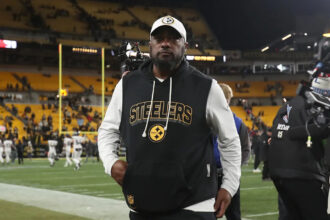
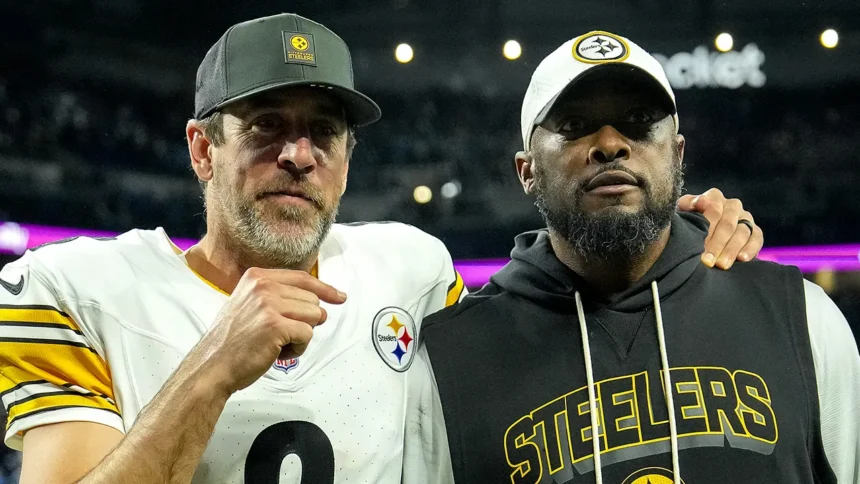
The NFL offseason is a time for roster moves, draft speculation, and, increasingly, for seismic philosophical debates about legacy and leadership. That volatile mix exploded into public view this week, not from a front office presser, but from the podium of a defiant Aaron Rodgers. In a stunning moment that may have marked the end of an era for one superstar quarterback and intensified the spotlight on another iconic coach, Rodgers walked out of his postgame press conference, but not before delivering a passionate, unscripted defense of Pittsburgh Steelers head coach Mike Tomlin.
The Spark: A Playoff Blowout and a Podcast Provocation
The immediate catalyst was a familiar January scene in Pittsburgh: a playoff disappointment. The Steelers, hobbled and overmatched, were decisively beaten 30-6 by the Houston Texans in the AFC Wild Card round. The loss extended Mike Tomlin’s now-infamous streak without a playoff victory and immediately reignited the annual debate about his future. This year, however, the criticism carried a new, potent weight.
Adding fuel to the fire were comments from Steelers legend Ben Roethlisberger. On his “Footbahlin with Ben Roethlisberger” podcast, the retired quarterback suggested his former coach might benefit from a fresh start, a sentiment quickly amplified by national media voices like Colin Cowherd. The question was no longer just a fan forum talking point; it was being posed by franchise icons and headline shows: Is it time for the Steelers and Mike Tomlin to part ways?
Into this tinderbox stepped Aaron Rodgers, whose own New York Jets had just concluded a bitterly disappointing season. When asked a second consecutive question about Tomlin’s situation—a topic far removed from his own team’s affairs—Rodgers reached his limit.
Rodgers’ Unfiltered Defense: More Than Just Walking Out
Before his dramatic exit, Rodgers offered a detailed, impassioned rebuttal to the growing criticism. His message was clear and twofold:
- Institutional Stability is Priceless: Rodgers framed sustained leadership like Tomlin’s as a rare and undervalued asset in the modern NFL. He contrasted the “revolving door” of head coaches many franchises endure with the stability Tomlin has provided Pittsburgh for 17 seasons.
- Respect from the Fraternity: Most powerfully, Rodgers cited the universal respect Tomlin commands from players, both current and former. “You ask anyone who’s ever played for him,” Rodgers stated, implying that the opinion of those in the locker room holds far more weight than external noise.
- A Broader Defense of Coaches: Rodgers expanded his comments to include a strong endorsement of his own coach, Matt LaFleur, showcasing his belief in shielding leaders from what he perceives as reactive and often unfair criticism.
This wasn’t merely a quarterback defending a colleague. This was a veteran with immense stature, potentially facing his own career crossroads, using his platform to challenge the entire narrative cycle surrounding coaches. The walkout was the exclamation point on a statement meant to shift the perspective from “What has Tomlin done lately?” to “What does losing a coach of his caliber truly cost a franchise?”
Decoding the Message: Why Rodgers Spoke Up
Rodgers’ intervention is fascinating on multiple levels. Analytically, it reveals several underlying currents in today’s NFL:
The Player-Coach Solidarity Front: In an age of empowered players, Rodgers’ act highlights a growing pushback against media-driven “hot seat” culture. Top players, who understand the complexities of coaching, are increasingly vocal in supporting embattled leaders, viewing them as partners rather than disposable managers.
A Commentary on Steelers Culture: Rodgers, an outsider with insider credibility, indirectly praised the Steeler Way. His defense suggests that the very stability now being questioned is what makes Pittsburgh a respected, if not always dominant, organization. The implied warning: be careful what you wish for.
Rodgers’ Own Legacy Lens: At 42, Rodgers is undoubtedly contemplating his own football mortality and legacy. His fierce defense of established coaches like Tomlin and LaFleur can be seen as an endorsement of the structures that allow great players to thrive. He is, in a way, advocating for the kind of environment he believes in, as his career enters its final chapters.
What Happens Next: Predictions for Tomlin, Steelers, and Rodgers
The fallout from this incident will ripple through the offseason. Here are the key predictions and questions now facing both men and their teams:
For Mike Tomlin and the Steelers:
The public support from a figure like Rodgers is a significant shield for Tomlin. It reinforces the idea that the criticism is external, not internal. Expect the Steelers organization, from owner Art Rooney II down, to cite this very culture of respect and stability when they inevitably announce Tomlin will return in 2024.
- Prediction: Tomlin returns, but with a reshuffled coaching staff and increased pressure to modernize the offensive approach. The “fresh start” will be philosophical, not personal.
For Aaron Rodgers and the Jets:
Rodgers’ press conference walkout may symbolize a turning point. His focus is now singular: winning with the Jets in 2024.
- Prediction: Rodgers doubles down on his influence in New York, advocating for specific personnel and schematic changes to ensure his comeback season isn’t derailed by injury again. His leadership will become even more omnipresent.
The Big Picture Impact:
This moment may be remembered as a case study in NFL narrative warfare. Rodgers successfully reframed the conversation around Tomlin from one of failure to one of valued leadership. It sets a precedent for other high-profile players to publicly support coaches, potentially changing the dynamics of the annual “coaching carousel” discourse.
Conclusion: A Defining Moment for Leadership in the Modern NFL
Aaron Rodgers walking out of that press conference was more than a viral moment of frustration. It was a calculated, powerful statement about respect, continuity, and the often-overlooked value of a steady hand. In defending Mike Tomlin, Rodgers was also defending a concept of team-building that values culture over chaos, and long-term vision over short-term reaction.
While the Steelers must honestly assess their recent playoff shortcomings, they do so from a position of immense institutional strength—a strength Rodgers forcefully reminded the world of. The coming seasons will determine the football fates of both men, but this exchange has already cemented a key truth: in the NFL, the respect of one’s peers, especially those as accomplished as Aaron Rodgers, remains one of the most compelling arguments of all. The debate on Tomlin’s future may continue, but it now carries the weight of a champion’s defiant testimony.
Source: Based on news from Fox Sports.