From Pitch to Pavement: How Streetwear and Crop Tops Are Redefining World Cup Fashion
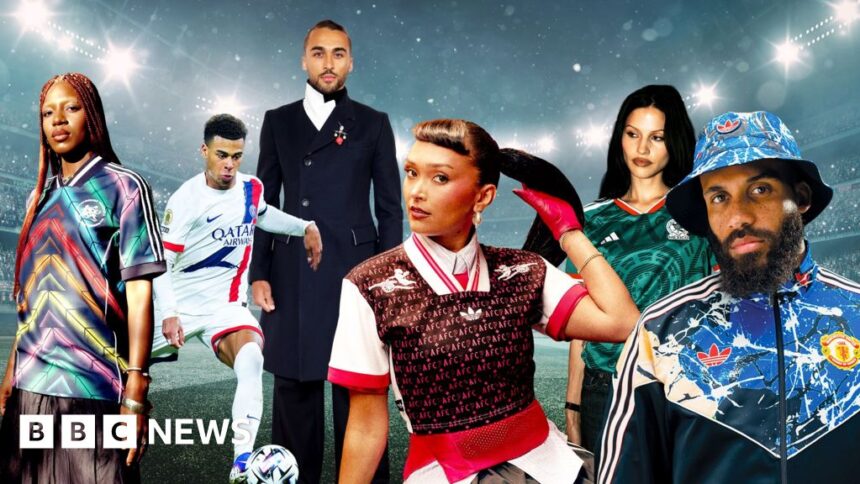
The whistle blows, the roar of the crowd crescendos, and the players take the field. For generations, this moment has been defined by a uniform vision: matching kits, pristine socks pulled high, and polished boots. But as the global football carnival approaches, a sartorial revolution is unfolding. The latest World Cup kit launches are no longer just about the 90 minutes on the grass; they are a full-throated declaration that football’s influence now dominates the cultural runway. This year, the beautiful game’s aesthetic has decisively traded the tunnel for the street, with streetwear-inspired collections and daring crop top silhouettes taking center stage, signaling a profound shift in how kits are conceived, marketed, and worn.
The Kit Launch as Cultural Blockbuster
Gone are the days of simple player line-ups against a green screen. The modern kit launch is a high-production narrative, a statement of intent that speaks as much to fashion editors as it does to football fans. This strategic pivot is most evident in the campaigns from the titans of sportswear, Adidas and Nike. Their recent reveals have been less about athletic performance and more about lifestyle aspiration, meticulously blending football heritage with contemporary urban style.
Nike set the tone with a cinematic short film that felt more akin to a director’s showcase at Cannes. Featuring stars like Virgil van Dijk and Cole Palmer, the campaign didn’t show a single slide tackle or goal. Instead, players were framed as style icons, modelling their kits with cargo trousers, classic jeans, and crisp trainers. The message was unambiguous: this jersey belongs in your everyday wardrobe. It’s a piece of fashion, designed to be styled, layered, and lived in beyond match day.
Not to be outdone, Adidas escalated the fusion, choosing Los Angeles—the epicenter of global celebrity culture—as its stage. At their away kit launch, the football was almost incidental. Celebrities like Kendall Jenner and Damson Idris observed models who styled the iconic three stripes with flared trousers, distressed denim, and micro-shorts. The collection explicitly drew from “football culture on and off the pitch,” repurposing archive designs into streetwear staples. The focus was on attitude, silhouette, and integration into the high-low fashion ecosystem where a football shirt is as valid a statement piece as a designer handbag.
Decoding the Streetwear Playbook
This isn’t a random trend; it’s a calculated evolution driven by deep market intelligence. Football has long influenced street style, from the casuals culture of the 80s to the global embrace of vintage jerseys. Sportswear giants are now formally codifying that organic relationship. The strategy is multifaceted:
- Democratizing Fandom: By designing kits as streetwear, brands make them accessible for all-day wear, expanding their utility and justifying premium price points to a broader audience.
- Leveraging Nostalgia and Novelty: Mixing archive classics with modern cuts (like crop tops) taps into the booming retro market while attracting a fashion-forward, often younger, demographic.
- Celebrity Endorsement 2.0: Moving beyond athlete ambassadors to include A-list celebrities from music, film, and fashion (like Jenner) shatters the traditional sports marketing bubble, generating hype in entirely new circles.
- The Gender-Fluid Frontier: The prominent featuring of crop tops and fitted silhouettes challenges the traditionally male-dominated kit marketing, appealing directly to women and non-binary fans and acknowledging their massive, often underserved, presence in the football community.
The crop top, in particular, is a powerful symbol. It represents a break from the standardized, often boxy, fan jersey. It’s a garment of choice that emphasizes personal style and body positivity, aligning perfectly with contemporary fashion movements and the growing female influence in football fandom.
Expert Analysis: The Business of Blurring Lines
From a commercial perspective, this streetwear pivot is a masterstroke. “What we are witnessing is the full maturation of football as a 360-degree cultural currency,” notes a veteran sports marketing analyst. “The pitch is now just one catwalk. By integrating kits into streetwear collections, Adidas and Nike are no longer selling just a shirt; they’re selling an identity, a tribe membership, and a piece of wearable art with a limited-time cultural relevance tied to the World Cup.”
This approach dramatically extends the commercial lifecycle of a kit. A traditional jersey’s relevance is tied almost exclusively to a player’s form or a team’s success. A fashion-forward kit, however, enters a different cycle—one driven by style trends, celebrity co-signs, and its viability as a layering piece. It becomes perennial. Furthermore, it allows for more aggressive pricing and special edition drops, mirroring the “hype” model perfected by streetwear brands like Supreme or Off-White, where scarcity and cultural cachet drive demand.
The risk, of course, is alienating the traditionalist fan who values authenticity and tradition above fashion. However, the commercial calculation is clear: the potential to capture the lucrative “casual” fashion market and deepen engagement with younger, style-conscious fans far outweighs that risk. The traditional home and away kits still exist in their classic forms; the streetwear collections are additive, creating a new product category altogether.
Predictions: The Future of Football Fashion
This World Cup is merely the opening act for this new era. Looking ahead, we can anticipate several key developments:
- Third Kits as Pure Fashion Statements: The often-experimental third kit will fully transition into a designer-led, streetwear capsule collection, with collaborations with high-fashion houses becoming the norm.
- Performance Wear Meets Ready-to-Wear: The technology in match kits (like advanced fabrics) will be marketed as a luxury feature in lifestyle versions, blurring the line further.
- Digital and Physical Fusion: NFT wearables and digital kit skins for gaming avatars will launch in tandem with physical jerseys, creating a holistic, meta-fashion ecosystem.
- Grassroots Style Influence: We will see a trickle-up effect, where styling choices pioneered by fans in the stands (like custom cuts and unique pairings) will be officially adopted and promoted by brands in future campaigns.
The ultimate goal is for the football kit to achieve the timeless, contextless style of a perfect pair of jeans or a leather jacket—a foundational item in a global wardrobe, its origins celebrated but its application limitless.
Conclusion: A New Era of Sporting Identity
The final whistle on old-fashioned kit marketing has blown. The campaigns for this World Cup confirm that football’s aesthetic power has decisively spilled over the touchline and into the heart of global fashion. By embracing streetwear-inspired collections and championing bold styles like the crop top, Adidas and Nike are not just selling merchandise; they are curating a culture. They are acknowledging that for millions, football is not just a sport to watch but an identity to wear—every day, in every context. This World Cup will crown a champion on the field, but its most lasting legacy might just be in our closets, redefining how we express our passion, one stylishly layered kit at a time. The beautiful game has always moved us; now, it’s dressing us, too.
Source: Based on news from BBC Sport.