Charlie Young, Super Bowl-Winning 49ers Tight End, Dies at 75: A Legacy of Grit and Glory
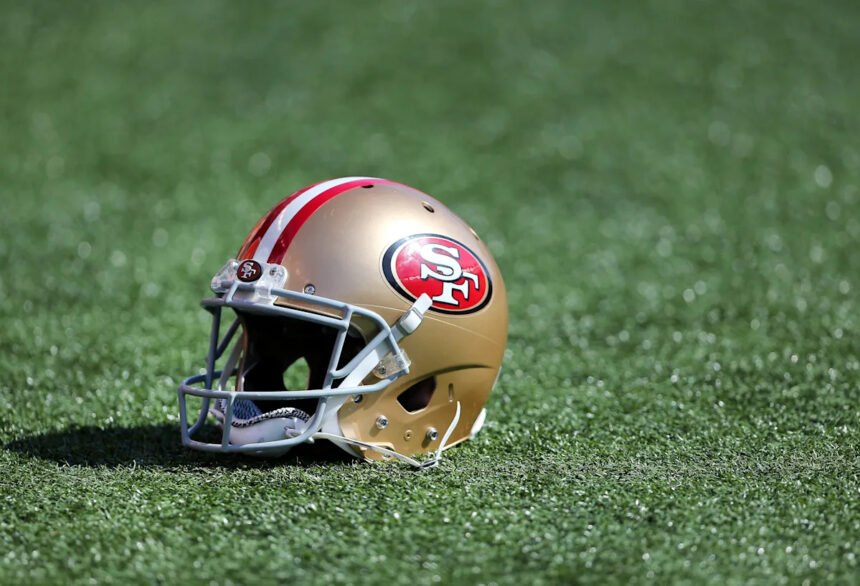
The NFL family is mourning the loss of a true pioneer of the tight end position. Charlie Young, the bruising pass-catcher who played a pivotal role in the San Francisco 49ers’ first Super Bowl victory in the 1981 season, has passed away at the age of 75. The 49ers confirmed Young’s death via their official social media channels on Wednesday, though no cause of death has been disclosed.
For those who remember the raw, physical brand of football from the 1970s and early 80s, Young was a force of nature. He wasn’t just a blocker; he was a weapon. Standing 6’4″ and weighing 235 pounds, he redefined what a tight end could be in an era dominated by run-first offenses. His journey from a first-round draft pick to a Super Bowl champion is a masterclass in perseverance, adaptability, and sheer talent.
While his career statistics—197 receptions, 2,583 yards, and 12 touchdowns—may seem modest by today’s pass-happy standards, Young’s impact was measured in yards after contact, key third-down conversions, and the trust he earned from Hall of Fame quarterbacks. Let’s break down the legacy of a man who helped shape the modern tight end role.
The USC Phenom Who Became an Eagles Legend
Before he was hoisting the Lombardi Trophy, Charlie Young was a collegiate star at the University of Southern California. The Philadelphia Eagles saw his potential and made him the No. 6 overall pick in the 1973 NFL Draft. It was a selection that immediately paid dividends.
Young didn’t just join the Eagles; he dominated from day one. As a rookie, he earned first-team All-Pro honors—a feat almost unheard of for a tight end in that era. He was a matchup nightmare, using his speed to outrun linebackers and his strength to overpower defensive backs. During his four seasons in Philadelphia, Young made the Pro Bowl three times (1973, 1974, 1975), establishing himself as one of the premier receiving threats in the NFC.
His time in Philadelphia, however, ended in a blockbuster trade that would reshape NFL history. In 1977, the Eagles sent Young to the Los Angeles Rams in exchange for quarterback Ron Jaworski. This trade is often cited as a turning point for the Eagles franchise, but for Young, it was the start of a new chapter on a team already built to win.
From Rams Contender to 49ers Catalyst
Playing for the Rams, Young proved his versatility. He wasn’t just a receiver; he became a critical part of a run-heavy offense that featured the legendary Eric Dickerson. In 1979, Young helped lead the Rams to Super Bowl XIV, where they ultimately fell to the Pittsburgh Steelers. It was a bitter defeat, but it gave Young a taste of the ultimate stage.
After three productive seasons in Los Angeles, the Rams traded Young to the San Francisco 49ers in 1980 for a 1983 fifth-round draft pick. At the time, it seemed like a minor transaction. In hindsight, it was a steal for the 49ers. Young joined a young, hungry team led by a second-year quarterback named Joe Montana and a visionary coach named Bill Walsh.
Young’s role in San Francisco was different. He was no longer the primary target, but he was the grizzled veteran who provided leadership and clutch play. His blocking in the 49ers’ West Coast offense was instrumental in protecting Montana and springing running backs like Ricky Patton. But when the playoffs arrived, Young reminded everyone he still had big-play ability.
The 1981 Super Bowl Run: Young’s Defining Moment
The 1981 season was magical for the 49ers, culminating in a 26-21 victory over the Cincinnati Bengals in Super Bowl XVI. Charlie Young was a critical piece of that playoff puzzle.
- Playoff Production: During the 1981 postseason, Young caught seven passes for 81 yards and one touchdown.
- Clutch Factor: His touchdown came in the NFC Championship Game against the Dallas Cowboys, a game famous for “The Catch” by Dwight Clark. Young’s score helped keep the 49ers in striking distance.
- Super Bowl XVI: While Young didn’t score in the Super Bowl, his blocking was essential in allowing the 49ers to control the clock and keep the Bengals’ defense off-balance.
Winning that first Super Bowl was a validation for Young. After years of being a star on losing teams in Philadelphia and a runner-up in Los Angeles, he finally had a ring. He became a symbol of resilience—a player who refused to let his career be defined by anything other than a championship.
Final Seasons in Seattle and a Lasting NFL Legacy
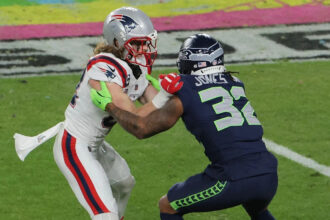
After his Super Bowl triumph, Young spent his final three NFL seasons with the Seattle Seahawks, retiring after the 1985 season. While his production slowed, his reputation as a consummate professional never waned. He finished his 13-year career with exactly 197 receptions, 2,583 yards, and 12 touchdowns.
To put Young’s career in perspective, consider this: He played in an era where tight ends were primarily blockers. His 197 catches over 13 seasons is a testament to how difficult it was to earn targets in the 1970s. Today, a top tight end might get 80 catches in a single season. Young was a pioneer who paved the way for players like Tony Gonzalez, Shannon Sharpe, and Travis Kelce.
Expert Analysis: Why Young Matters Today
As a sports journalist who has covered the evolution of the tight end position, I can tell you that Charlie Young was a prototype. He was a first-round talent who delivered on his promise. His trade from Philadelphia to Los Angeles—which netted the Eagles Ron Jaworski—is one of the most impactful trades in NFL history, directly leading to the Eagles’ only Super Bowl appearance in the 1980s.
Young’s ability to transition from a star in Philadelphia to a role player in San Francisco shows a level of selflessness rarely seen in professional sports. He didn’t complain about targets; he focused on winning. That mentality is exactly why Bill Walsh coveted him.
Prediction for Young’s Legacy: While Young is not in the Pro Football Hall of Fame, his impact will be remembered in the 49ers Hall of Fame and by historians of the game. We will likely see a surge in retrospectives highlighting his role in the 1981 Super Bowl run. Younger fans should study his game film to understand how tight ends used to play with a physical edge that is often missing today.
Conclusion: A Champion’s Final Rest
Charlie Young’s death at 75 marks the end of an era for the San Francisco 49ers and the NFL. He was a man who lived through the golden age of football, from the leather-helmet toughness of the 70s to the precision of the Walsh offense. He leaves behind a family, a legion of fans in Philadelphia, Los Angeles, San Francisco, and Seattle, and a legacy of grit, adaptability, and championship excellence.
As the 49ers prepare for the future, they should remember the contributions of players like Charlie Young—the unsung heroes who helped build the dynasty. Rest in peace, Charlie. You caught the passes, you blocked the blitzes, and you won the biggest game of all.
Source: Based on news from Yahoo Sports.