‘The Tone Was Set by Mourinho’: Benfica Faces Scathing Criticism from Kick It Out in Vinicius Jr. Racism Row
The beautiful game is once again marred by an ugly stain. What began as an allegation of racial abuse directed at Real Madrid’s Vinicius Junior by Benfica’s Gianluca Prestianni has rapidly escalated into a full-blown institutional crisis. At the heart of the storm, the influential anti-discrimination body Kick It Out has launched a devastating critique, pointing the finger not just at the accused player, but squarely at the managerial and executive leadership of Portuguese giants Benfica. Their verdict is damning: the club’s failure to act and the combative response of manager Jose Mourinho have dangerously “set the tone” for this escalating controversy.
A Row Rooted in Allegation and Defiance
The incident, which occurred during a tense pre-season friendly, saw Vinicius Jr. allege that Benfica teenager Gianluca Prestianni racially abused him. Real Madrid swiftly submitted an official complaint to UEFA. The expected protocol in modern football would involve a measured internal investigation by the accused player’s club, coupled with a commitment to cooperate fully with the governing bodies. Benfica, however, chose a different path. The club issued a fierce statement denying the allegations, defending Prestianni, and accusing Real Madrid and sections of the media of orchestrating a “defamation campaign” against their young player.
This stance was then amplified by their newly appointed manager, Jose Mourinho. In a characteristically fiery press conference, Mourinho defended Prestianni and pivoted to a counter-attack, referencing past incidents involving Vinicius Jr. and questioning the narrative. This one-two punch of institutional defiance and managerial confrontation is what has drawn the ire of equality campaigners.
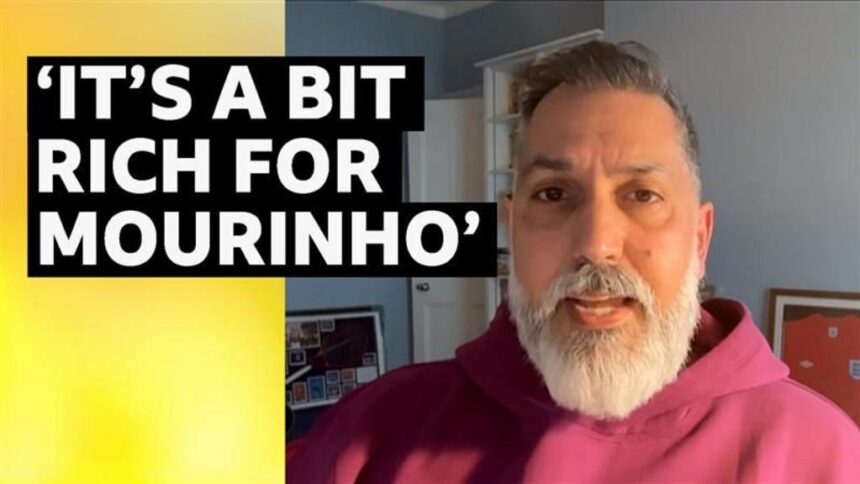
Sanjay Bhandari, Chair of Kick It Out, did not mince words: “The lack of support from Benfica and the response of their manager Jose Mourinho has ‘set the tone’ in this case. Instead of a commitment to investigate a serious allegation, we saw immediate denial and aggression. That tone from the top filters down and fundamentally undermines the process of tackling discrimination.”
Expert Analysis: Why Leadership Tone is Everything
To understand the gravity of Kick It Out’s intervention, one must look beyond the singular allegation. This controversy touches on three critical fault lines in football’s ongoing battle against racism.
- The “Institutional Posture”: Clubs are no longer judged solely on the actions of individual players, but on their corporate response to crises. Benfica’s immediate, combative denial—before any independent investigation could begin—is seen as a failure of modern sporting governance. It signals a priority of brand protection over ethical responsibility, a stance that anti-racism organizations find particularly damaging.
- The Mourinho Factor: Jose Mourinho is a global figure whose words carry immense weight. By choosing to attack the credibility of the allegation and the accuser, rather than advocate for due process and zero tolerance, he is perceived as using his platform to dismiss rather than address racism. This, experts argue, empowers those who seek to downplay such issues and creates a hostile environment for victims to come forward.
- The Victim-Blaming Narrative: The subtle shift in focus towards Vinicius Jr.’s own history—a tactic often used in discrimination cases—is a dangerous diversion. As Bhandari notes, “The character of the victim is irrelevant to the truth of the allegation. This kind of response only serves to intimidate those who might speak out and allows the central issue of alleged abuse to be clouded.”
This trifecta—club, manager, and narrative—creates what campaigners call a “culture of permissiveness.” It suggests that defending the club’s asset (the player) is more important than upholding football’s stated values of inclusion and respect.
Broader Implications and Predictions for Football
The fallout from this row will extend far beyond a pre-season friendly. It serves as a critical test case for UEFA’s disciplinary procedures and for the solidarity between clubs on matters of equality. We can anticipate several potential outcomes:
- A UEFA Showdown: UEFA’s investigation will now be under a microscope. If they issue a strong punishment, it will be seen as a necessary corrective to Benfica’s stance. A weak or delayed response, however, could be interpreted as the governing body being cowed by a major club’s defiance, critically damaging its credibility on anti-racism.
- Player Relations and Future Ties: The relationship between Real Madrid and Benfica, two of Europe’s most storied clubs, has been severely damaged. Future transfers or cooperative ventures may be impacted by this breach of trust. Furthermore, players of color may view Benfica’s environment with increased skepticism.
- A Litmus Test for Mourinho’s Return: Mourinho’s return to a high-profile club was a major narrative. This incident now frames his tenure in a contentious social context. His every future comment on discrimination will be analyzed through this lens, and his ability to manage a diverse, modern dressing room will be questioned more intensely.
- Empowerment for Anti-Racism Bodies: Kick It Out’s decisive statement shows a shift. Organizations are no longer waiting for disciplinary outcomes. They are actively shaping the moral and media narrative, holding clubs accountable for their public posture in real-time, applying pressure that goes beyond the pitch.
A Pivotal Moment for the Game’s Soul
The allegation between Prestianni and Vinicius Jr. is a serious matter that deserves a fair, evidence-based judicial process. But the controversy it has ignited is about something even larger: it is about power, responsibility, and the soul of the sport. Benfica and Jose Mourinho had a clear choice. They could have taken the allegation with the gravity it deserved, suspended judgment pending investigation, and affirmed a commitment to eradicating racism. Instead, they chose a fortress mentality, conflating support for their player with an outright attack on the process itself.
By doing so, as Kick It Out powerfully asserts, they “set the tone.” It is a tone of defensiveness, confrontation, and institutional deafness to the lived experiences of players who face abuse. In the long fight against racism in football, moments like these are pivotal. They reveal whether the sport’s pillars are truly aligned with the values they profess, or whether, when pressured, they retreat into tribalism. The world is now watching to see if UEFA and the wider football community will accept the tone Benfica has set, or if they have the courage to change it. The outcome will resonate for years to come, defining not just this case, but the standard for all that follow.
Source: Based on news from BBC Sport.