The Global Gladiator: Inside the Unprecedented Coaching Empire of Winter Olympics Figure Skating
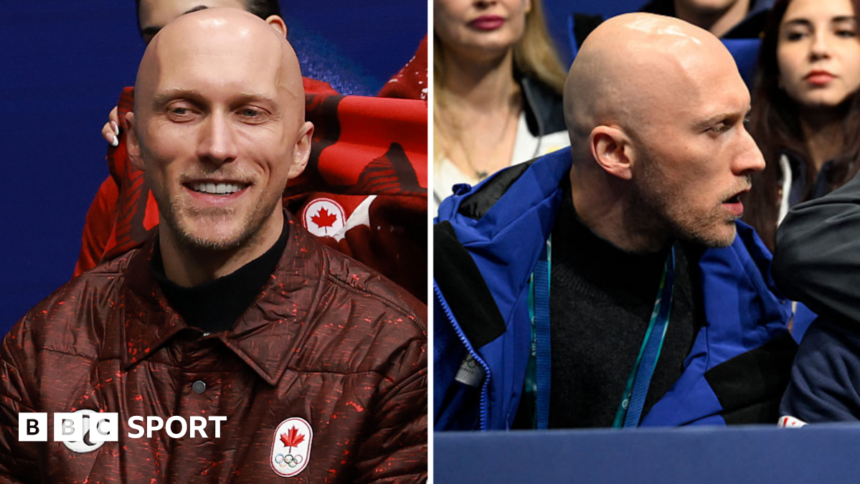
In the high-stakes, nationalistic theater of the Winter Olympics, where athletes don the colors of their homeland with immense pride, one man is quietly rewriting the rulebook on allegiance. During the nail-biting team event final at the 2026 Milano-Cortina Games, eagle-eyed viewers experienced a moment of delightful whiplash. There, in the crowd, was French coach Benoit Richaud, passionately supporting his athlete—clad in the bold red and white of Georgia. Flash forward less than fifteen minutes, and the same coach was back on screen, his fervor undimmed but his wardrobe dramatically switched to the iconic red and maple leaf of Canada. This wasn’t a fashion faux pas or a case of mistaken identity. It was a vivid, real-time snapshot of a seismic shift in figure skating: the rise of the global coaching mercenary, and Benoit Richaud is its undisputed king, orchestrating the dreams of 16 athletes from a staggering 13 different nations.
More Than a Choreographer: The Architect of a New Skating World Order
At just 38 years old, Benoit Richaud is no ordinary coach. He is a choreographer first, a visionary who paints on the ice with a skater’s body. His rise parallels the sport’s evolution from a technical marathon to a holistic artistic spectacle. In today’s figure skating, a compelling program, innovative transitions, and musical genius are as crucial as landing quadruple jumps. This is where Richaud’s genius thrives. He doesn’t just teach jumps; he crafts stories, identities, and viral moments. His portfolio of clients reads like a United Nations assembly on ice, spanning from traditional powerhouses like Canada and Japan to emerging skating nations like Georgia, Mexico, and Switzerland.
This unprecedented arrangement is a direct result of the post-Cold War globalization of the sport, accelerated by the easing of strict national training camp models. Skaters and federations now relentlessly seek a competitive edge, and Richaud’s unique ability to extract an athlete’s personality and package it into a winning program is in global demand. He operates as a one-man consulting firm for federations that may lack specialized choreographic expertise, effectively becoming a shared strategic resource for nearly a third of the countries competing in Olympic figure skating.
Navigating the Logistical and Ethical Iceberg
Managing this empire is a feat of staggering logistical and diplomatic complexity. The image of the rapidly changing jackets is a perfect metaphor for the delicate balance Richaud must maintain every day at the Games.
- Schedule Juggling: His days are partitioned into 30-minute blocks, a whirlwind of different languages, technical focuses, and emotional states as he moves from a veteran’s final Olympic campaign to a teenager’s debut.
- Neutrality in the Kiss and Cry: His celebrated emotional reactions in the “Kiss and Cry” area must be universally applied yet authentically felt for each skater, a masterclass in empathetic performance.
- Information Firewalls: The most critical challenge is maintaining absolute confidentiality. With athletes competing directly against each other, Richaud must build impenetrable ethical firewalls. A training tip given to one skater cannot become an inadvertent advantage for another. His credibility depends on being a vault of trust.
This model also sparks fascinating ethical debates. Is there an inherent conflict of interest when one mind shapes the strategies of direct competitors? Most insiders argue that Richaud’s role as a choreographer, rather than a primary jump technician, mitigates this. He provides the artistic vehicle, but the individual athlete and their primary coaches are responsible for the technical engine. He is, in essence, providing a world-class service that elevates the entire field.
The Ripple Effect: How One Coach is Changing the Game
Richaud’s sprawling influence is creating tangible waves across the Olympic landscape. His work is a powerful democratizing force for smaller federations. A skater from a country with limited skating infrastructure can now access the same creative mind as a medal favorite, leveling the artistic playing field. This leads to more diverse, surprising, and emotionally resonant competitions for fans worldwide.
Furthermore, he is accelerating the cross-pollination of styles. A rhythmic flourish developed for a Japanese skater might inspire a step sequence for a Belgian athlete, fostering a new, hybrid language of movement on ice. Most importantly, Richaud’s success is validating a new career path for coaches themselves—borderless expertise. He represents the ultimate modern professional: a freelancer whose value is so immense that nations temporarily set aside pride to secure his services.
The Future of Coaching: Predictions for the Post-Richaud Era
Benoit Richaud is not an anomaly; he is a pioneer. His business model at the 2026 Olympics is a blueprint for the future of high-skill coaching in individual sports. We can expect to see this trend expand in the coming years.
- Specialization Will Rule: The era of the single-nation, do-everything head coach may wane for all but the wealthiest federations. Instead, we’ll see a rise in hired-gun specialists—the jump whisperer, the spins doctor, the choreographic genius—who tour the globe like elite consultants.
- Federation Contracts Will Evolve: National bodies will increasingly write flexible contracts that allow for shared coaching resources, focusing on securing specific modules of an athlete’s development rather than demanding exclusive allegiance.
- The Athlete as CEO: Empowered athletes will continue to build their own personal “board of directors,” assembling a bespoke international team of coaches, much like a CEO selects a management team, with figures like Richaud as a coveted hire.
The ultimate prediction? The sight of a coach swapping national colors will become less of a novelty and more of a standard at future Games. The victors will be the athletes and the sport itself, which will become richer, deeper, and more interconnected.
Conclusion: A New Symbol of Olympic Unity
The poignant image of Benoit Richaud, a Frenchman in a Georgian jacket one moment and a Canadian one the next, transcends a simple wardrobe change. It is a powerful, modern symbol of what the Olympic movement strives to be: a celebration of human excellence that transcends borders. In a world often divided by nationalism, Richaud’s story is a refreshing narrative of collaborative success. He is not diluting national pride; he is enhancing the individual dreams that comprise it. His 16 athletes from 13 countries are not just clients; they are a testament to a shared belief in beauty, athleticism, and artistic truth. As the global gladiator of the ice, Benoit Richaud proves that in the pursuit of perfection, the most important color to wear is not that of a flag, but the invisible hue of unwavering dedication to the athlete, no matter where they call home.
Source: Based on news from BBC Sport.