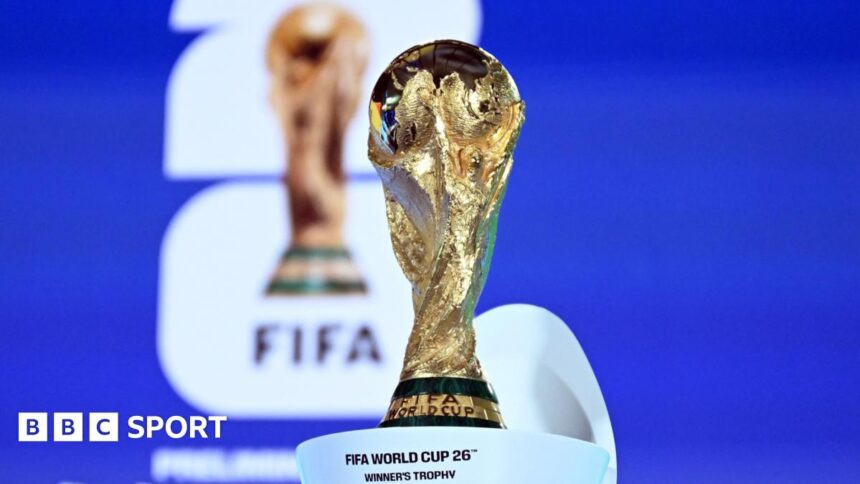
The World Cup Line-Up is Complete: The Final 48 Nations Set for North American Spectacle
The final pieces of the global football puzzle have been slotted into place. After a grueling, continent-spanning qualification odyssey, the field for the 2026 FIFA World Cup is officially set. Forty-eight nations now know their destiny: a place in the historic first edition of the tournament to be hosted across three nations—Canada, Mexico, and the United States. From the powerhouses to the debutants, the storylines are rich, the shocks are seismic, and the stage is set for an unprecedented summer of football from June 11 to July 19, 2026.
The Marathon to North America: How the Final 48 Were Decided
The road to 2026 was the longest and most expansive in history, a necessity for the newly expanded 48-team format. The process began in September 2023, weaving through the confederations of Africa, Asia, Europe, North America, Oceania, and South America. It was a testament to the global growth of the game, offering new hope to emerging football nations. The drama culminated in a breathless final day of intercontinental play-offs on March 31, 2025, where the last precious tickets were punched.
The final six qualifiers emerged from this high-pressure cauldron. The big news, sending shockwaves through the sport, was the failure of four-time champions Italy. In a stunning result, the Azzurri were defeated by a resilient Bosnia-Herzegovina side, who qualified for their first World Cup as an independent nation. They were joined by three other European teams who navigated the perilous play-offs: the Czech Republic, Turkey, and Sweden.
The last two spots were claimed in dramatic fashion. DR Congo secured a long-awaited return to the global stage, while Iraq held their nerve to qualify, rounding out a field that promises incredible diversity and competition.
Breaking Down the 2026 World Cup Contenders
With 48 teams, the traditional hierarchy faces its greatest challenge. The expanded format creates a fascinating dynamic between the established elites and a hungry wave of newcomers.
The Undisputed Favorites: The usual suspects will carry the weight of expectation. Defending champions Argentina, led by an aging but still brilliant Lionel Messi seeking a fairytale farewell, will be in the mix. France, with their generational talent, Brazil, forever the samba kings, and England, perennially asking “is it coming home?”, will all believe they can lift the trophy at MetLife Stadium on July 19.
The Dark Horses & Disrupted Giants: This is where the 2026 story gets spicy. Spain, Germany, and Portugal possess squads capable of going all the way. The absence of Italy, however, leaves a colossal void and opens a massive opportunity for another European side to make a deep run. Nations like the Netherlands and Croatia, with their proven tournament pedigree, instantly become more dangerous in a wide-open field.
The Debutants and Welcome Returns: The expansion has yielded heartwarming stories. Debutants like Bosnia-Herzegovina will play with house money and national pride. The return of DR Congo brings one of Africa’s most passionate football cultures back to the world stage. Their presence, along with a record number of Asian and African representatives, guarantees a festival of styles and tactics.
Key Storylines and Predictions for the 2026 Tournament
Beyond the trophy, numerous narratives will define this unique World Cup.
- The Hosts’ Ambition: The United States, with a young and talented squad, will face immense pressure to perform. Mexico aims to become the first host nation to win on home soil since 1998 (France). Canada, buoyed by their golden generation, will look to prove 2022 was no fluke.
- Messi’s Last Dance? The potential for a Lionel Messi valedictory tour on the sport’s biggest stage in North America is a narrative fit for Hollywood.
- Tactical Evolution: With more teams, group stages will be unpredictable. We may see more conservative tactics from minnows aiming for a historic knockout round berth, or fearless attacking from those with nothing to lose.
- Logistical Challenge: The tri-nation hosting model is unprecedented. Team travel, fan movement, and adapting to vastly different climates and cities will be a competitive factor in itself.
Early Prediction: While Argentina and France will be favorites, the sheer scale and unpredictability of a 48-team tournament favors nations with deep squads and tactical flexibility. Look for a team like England or Portugal, brimming with talent across the pitch, to potentially navigate the marathon best. A surprise run from an African nation, perhaps Senegal or Morocco, to the semi-finals feels more possible than ever.
A New Era Dawns: The 48-Team World Cup is Here
The completion of the 2026 World Cup line-up marks more than just the end of qualification. It signals the dawn of a new era for international football. The inclusion of 48 nations is a contentious but undeniable step toward globalization. It has already created moments of national joy for countries like Bosnia-Herzegovina and pain for giants like Italy, proving that in this new format, no pedigree is safe.
From the iconic stadiums of Mexico City and Los Angeles to the innovative venues in Vancouver and Kansas City, the 2026 World Cup promises to be a celebration of football on a continental scale. It will be a test of endurance, a showcase of emerging talent, and a potential turning point in the sport’s history. The line-up is set. The hosts are ready. The world is waiting. The beautiful game’s greatest spectacle is about to get bigger, bolder, and utterly unpredictable.
Source: Based on news from BBC Sport.