Tiger Woods Breaks Silence on DUI Arrest: A Golfer’s Reckoning and the Road Ahead
The silence was deafening. For days following his arrest for driving under the influence in Florida, the sports world waited for a word from Tiger Woods. When it finally came, it was not in a press conference or a televised interview, but in a carefully crafted statement posted to social media. The golf legend, whose career has been a masterclass in controlled narrative, has now been forced to address a personal and legal crisis that threatens to redefine his legacy. His decision to refuse a urinalysis test after rolling his Land Rover adds a complex legal layer to an already shocking incident. This is more than a tabloid headline; it is a pivotal moment in the story of one of history’s greatest athletes.
The Statement: Accountability in the Digital Age
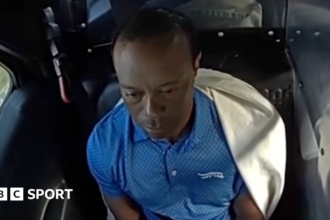
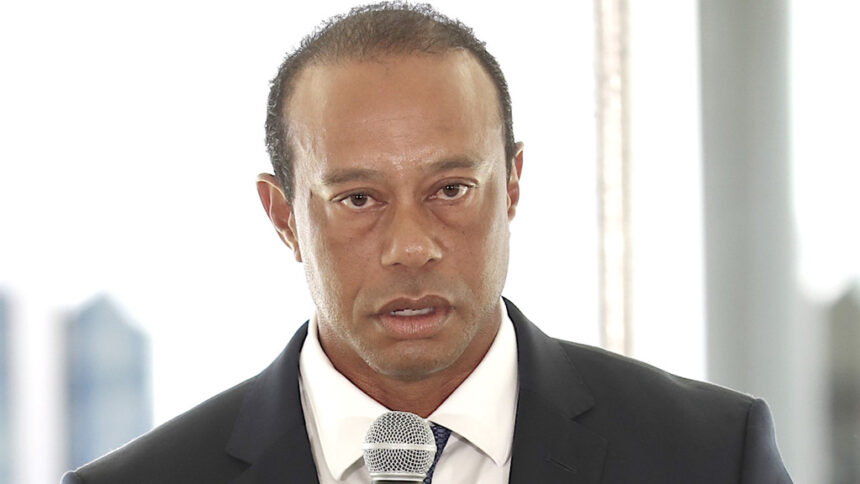
On Tuesday, Tiger Woods broke his silence with a written statement that was equal parts contrition and control. “I know and understand the seriousness of the situation I find myself in today,” Woods, 50, stated. This opening line set a tone of sober acknowledgment, a stark contrast to the erratic behavior captured on police dashcam footage. The choice of a social media post is telling. It allowed Woods to speak directly to the public without the filter of media interpretation or the discomfort of facing immediate questions. It is the modern playbook for crisis management, but its effectiveness hinges entirely on the actions that follow.
The statement lacked specific details about the events of that night or the substances involved, a deliberate legal and strategic move given his refusal of the urinalysis test. By not specifying, he avoids potential self-incrimination for any substances that may yet be discovered through other means. The focus was instead on taking personal responsibility and outlining a path forward—a classic first step in rehabilitating a public image. However, for a figure whose life has been under a microscope since adolescence, the public and the courts will demand more than broad strokes.
Legal Ramifications and the Refusal to Test
The legal landscape for Woods is fraught with complication, primarily due to his decision to refuse the urinalysis. In Florida, operating a vehicle is deemed consent to testing for alcohol or drugs. A refusal triggers an automatic one-year driver’s license suspension and can be used as evidence against him in court. This move suggests a strategic calculation by his legal team, potentially indicating concern over what a test might reveal beyond alcohol.
- Automatic License Suspension: The immediate consequence is a 12-month administrative suspension of his driver’s license.
- Evidence in Court: Prosecutors can argue his refusal implies consciousness of guilt, potentially strengthening a DUI case.
- Potential Charges: Depending on the findings from the blood draw taken with a warrant, charges could range from a standard DUI to more severe DUI with property damage or even DUI involving unknown substances.
- Long-term Impact: A conviction could affect his ability to travel internationally for tournaments and would remain a permanent part of his record.
This legal battle will unfold parallel to the court of public opinion, each influencing the other. A plea deal or a vigorous defense will be scrutinized not just for its legal merit, but for its perceived sincerity in light of his public apology.
Expert Analysis: The Anatomy of a Comeback… Again
From a sports journalism and brand management perspective, this incident represents perhaps the most challenging obstacle in Tiger Woods’ long history of comebacks. We have analyzed his return from career-threatening injuries, his scandal in 2009, and his triumphant 2019 Masters victory. This is different. This isn’t about physical rehabilitation or personal betrayal; it’s about a lapse in judgment that endangered public safety and carries significant legal weight.
“The blueprint for Woods has always been to retreat, rehabilitate, and return on his own terms,” says a veteran sports branding expert. “But the context has changed. The grace period for legends is shorter, and the appetite for redemption narratives is more nuanced. His statement is step one, but step two must involve tangible, visible change. For a golfer, the ultimate platform is the course, but he cannot simply drive back to victory lane. He must demonstrate a period of genuine, quiet accountability first.”
The analysis points to a necessary hiatus. Endorsement partners, already cautious since 2009, will be in a “wait-and-see” mode. The narrative of the aging warrior battling his body was compelling; the narrative of a reckless driver is not. His future commercial viability is now inextricably linked to his legal proceedings and his demonstrated behavior over the next 12-18 months.
Predictions: What’s Next for Tiger Woods?
Forecasting Tiger’s path is notoriously difficult, but several likely scenarios emerge from this crisis.
Short-Term (Next 6 Months): Woods will remain out of the competitive spotlight. He will focus on his legal case, likely seeking a settlement that includes a diversion program or stringent probation. We may see him engage in low-profile, non-golf related charity work or attend rehabilitation counseling. A rushed return to the PGA Tour would be seen as tone-deaf.
Mid-Term (6-18 Months): His return to golf will be meticulously staged. It will not begin at a major. Expect a controlled, limited-field event or a PGA Tour stop with less media frenzy. His public appearances will be heavily managed, with messages consistently focused on gratitude, growth, and a renewed commitment to safety. The success of this phase depends entirely on a clean legal resolution and no further incidents.
Long-Term Legacy: The DUI arrest now becomes a permanent, bolded chapter in the Tiger Woods biography. It will sit alongside his 15 majors, his scandals, and his injuries. How it is ultimately framed—as a tragic footnote or a defining fall—depends on what he does next. A sincere, sustained effort at amendment can compartmentalize the incident. Another misstep would cement it as the coda to his public story.
A Golfer’s Final Drive Toward Redemption
Tiger Woods breaking his silence was the necessary first shot off the tee in his latest and most precarious recovery round. The statement was a par save—adequate, but leaving a long putt for the next hole. The real test is no longer about club speed or reading greens; it is about demonstrating a fundamental change in judgment and responsibility. The refusal of the urinalysis test complicates the legal fairway, and the court of public opinion is a brutally unforgiving course.
His legacy, once seemingly destined to be a simple tally of championships, is now a complex tapestry of unparalleled achievement and profound human frailty. The world watched him conquer pain and personal turmoil to win the Masters. Now, it watches to see if he can conquer the demons that led to a Florida roadside at dawn. The scorecard for this round won’t be measured in strokes, but in accountability, time, and the quiet, consistent choices made far from the gallery’s roar. For Tiger Woods, the most important drive of his life is no longer about distance—it’s about direction.
Source: Based on news from Yahoo Sports.