Tiger Woods Granted Permission for International Treatment, Citing Privacy Concerns
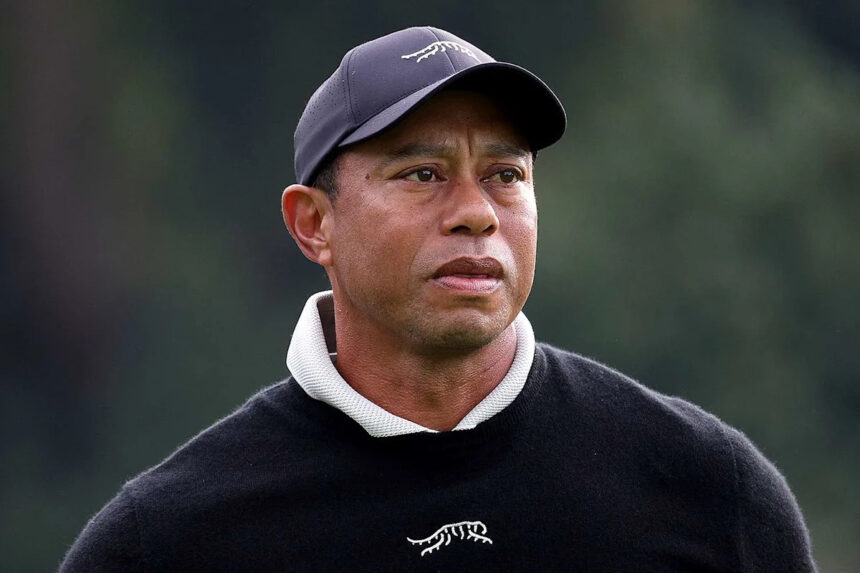
In a move that underscores the unique challenges faced by global icons within the justice system, a Florida judge has granted Tiger Woods permission to leave the United States to undergo specialized treatment. The ruling, made at the request of Woods’ legal team, hinges on a critical and increasingly rare commodity for the 15-time major champion: privacy. This development marks a pivotal new chapter in Woods’ ongoing journey following his recent DUI charge, shifting the narrative from legal procedure to personal recovery, albeit on an international stage. The decision raises complex questions about celebrity, rehabilitation, and the delicate balance the court must strike between public accountability and an individual’s right to confidential care.
The Legal Motion: A Quest for Confidential Care
The court documents, reviewed by multiple outlets, reveal a carefully argued request from Woods’ attorneys. The core of their motion was not a dismissal of the charges but an appeal for a specific condition of recovery. Woods’ lawyer successfully petitioned the court to allow the golfer to travel outside U.S. borders to enter what is described as an “intensive highly individualized and medically integrated program.” The explicit reasoning was Woods’ inability to find comparable treatment within the United States that could guarantee the level of discretion deemed necessary for his successful rehabilitation.
This is a significant legal nuance. The judge’s approval indicates a recognition that standard, domestic treatment facilities may not be equipped to handle the extraordinary scrutiny that follows a figure of Woods’ magnitude. The presence of media, fans, or even other patients seeking proximity to a legend could fundamentally undermine the therapeutic environment. Key elements of the filing include:
- Privacy as a Prerequisite: The motion framed privacy not as a luxury, but as a medical necessity for the program’s efficacy.
- Specialized Program: Emphasis on the “highly individualized” nature of the treatment, suggesting a tailored approach beyond generic protocols.
- International Solution: An implicit acknowledgment that the U.S. media landscape makes such secrecy nearly impossible to achieve domestically.
Expert Analysis: Privacy, Scrutiny, and the Path to Rehabilitation
From a legal and psychological standpoint, this ruling is a fascinating case study. “The court is in a difficult position,” explains Dr. Alistair Reed, a sports psychologist familiar with high-profile clientele. “On one hand, there is a public interest in justice and accountability. On the other, there is a demonstrable medical argument that true, effective rehabilitation for someone under a global microscope requires an environment free from that very microscope. Denying that could be seen as interfering with a genuine attempt at treatment.”
Legal analysts point out that this is not an uncommon request for wealthy defendants, but it is exceptionally rare for it to be granted on the grounds of privacy alone. Typically, such permissions are tied to business or family obligations. “The judge is essentially agreeing that Tiger Woods’ fame is a mitigating factor in his recovery plan,” says sports attorney Miranda Costas. “It sets a precedent that celebrity itself can, in certain contexts, warrant unique judicial accommodations for rehabilitation, provided there is no flight risk and the intent is sincere.”
The decision also strategically moves the narrative. By focusing on a privately pursued, intensive treatment plan, Woods and his team are attempting to frame this period as one of dedicated health focus, shifting public perception from the mugshot to the recovery.
Predictions: The Long Road Back for a Golf Icon
What does this mean for Tiger Woods’ future? The immediate path is clear: an extended period outside the public eye in a controlled therapeutic setting. However, the long-term implications are multifaceted.
- Golf Career Implications: Any competitive return is now a distant secondary concern to personal health. This treatment signals a serious, long-term commitment to addressing underlying issues, potentially pushing a PGA Tour comeback even further down the line, if it remains a goal at all.
- Brand and Legacy Rehabilitation: Woods’ brand, already weathered by past scandals and injuries, is now in a careful rebuild phase. A successful, quiet completion of this program could become a cornerstone of a redemption narrative, emphasizing personal accountability and health.
- Legal Proceedings: The treatment does not absolve the DUI charge. Upon his return, Woods will still have to face the court. However, demonstrating proactive and extensive rehabilitation could positively influence sentencing, potentially leading to lighter penalties or alternative resolutions.
- The Privacy Paradox: The very act of seeking privacy has generated significant public discussion. The success of this endeavor will be measured by how little is heard about Woods during his treatment, and what emerges on the other side.
Conclusion: A Defining Chapter Off the Course
The image of Tiger Woods is forever split between the transcendent athlete who dominated golf and the flawed human navigating personal turmoil. This latest chapter, defined by a judge’s permission slip to heal in secrecy abroad, may be one of the most defining of his life off the course. It is a stark admission that for Tiger Woods, recovery cannot happen in his home country—not because the treatment isn’t available, but because the anonymity required for it to work is not. The court’s decision validates the immense burden of his fame while offering a pathway to address the consequences of his actions away from the flashing lights. The world will now wait, not for a drive on the 18th fairway, but for news of a man who has been granted the rare chance to confront his demons in silence. His ultimate comeback will not be measured in tournament wins, but in the sustained peace and stability he can build upon his return.
Source: Based on news from Yahoo Sports.