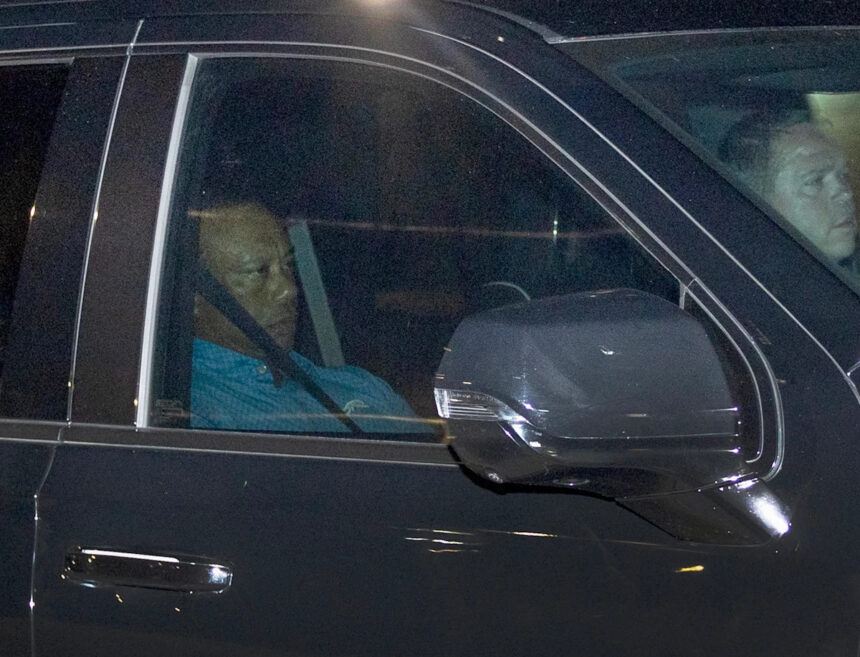
Tiger Woods Crash Affidavit Reveals Distracted Driving, Signs of Impairment
The narrative surrounding Tiger Woods’ February 2021 single-vehicle crash in California was one of tragic, high-speed accident. The emerging details from a separate, recent Florida incident paint a more complicated and concerning picture. According to a probable cause affidavit first obtained by ESPN, Woods told police he was looking at his phone and changing the radio station moments before a collision with a pickup truck last Friday afternoon near his Jupiter Island home. The document, coupled with officer observations of Woods’ condition, raises serious questions beyond simple distracted driving, casting a shadow over the golf legend’s post-accident recovery and future.
The Crash Sequence: A Moment of Inattention with Major Consequences
The affidavit provides a clear, chronological account of the moments leading to the wreck. According to Woods’ own statement to Martin County officers, he was driving his Genesis SUV when he momentarily diverted his attention inside the cabin. This split-second decision proved critical.
Woods told police he was looking at his phone and adjusting the radio, failing to notice that a slower-moving pickup truck ahead of him had reduced its speed. His vehicle subsequently collided with the truck’s trailer, causing the Genesis to roll onto its driver’s side. In a testament to both the vehicle’s safety and his own presence of mind, Woods was able to extricate himself by climbing out of the passenger-side window. He later stated he “did not realize” the truck had slowed down, a direct result of that moment of inattention.
Key facts from the scene include:
- The crash occurred on a Friday afternoon in Martin County, Florida.
- Woods’ vehicle struck a slower-moving pickup truck’s trailer.
- The Genesis SUV rolled onto its driver’s side.
- Neither Woods nor the other driver reported injuries.
- Woods blew a 0.00 on a breathalyzer at the scene.
Beyond Distraction: The “Signs of Impairment” Noted by Police
While the distracted driving admission is significant, the affidavit delves deeper into Woods’ physical state, which immediately raised red flags for the responding officers. The Jupiter Island police who first arrived noted that Woods “did exemplify signs of impairment,” prompting them to call in the Martin County Sheriff’s Office for assistance. The sworn affidavit provides a clinical description that aligns with those initial concerns.
Officers documented that Woods’ eyes appeared “bloodshot and glassy” and his pupils were “extremely dilated.” Furthermore, he was observed “sweating profusely” and his movements were described as “lethargic and slow.” This combination of symptoms goes far beyond the adrenaline shock expected from a traumatic rollover accident.
Woods was transparent with officers about one potential factor, informing them that he takes prescription medication and had done so earlier that morning. The affidavit also notes that two hydrocodone pills were found in his pocket. Hydrocodone is a potent opioid painkiller, common in post-surgical recovery but notorious for causing drowsiness, dizziness, and impaired thinking. While he complied with the breathalyzer, which showed no alcohol in his system, Woods later refused a urinalysis test, a decision that often complicates legal and investigative proceedings.
Expert Analysis: Navigating the Legal and Personal Crossroads
From a legal standpoint, sports law experts suggest this affidavit creates a multifaceted challenge for Woods. “The admission of phone use is a straightforward traffic violation for distracted driving,” explains one legal analyst. “But the officer observations detailed in the document provided the probable cause for a DUI investigation, shifting this from a simple fender-bender to a potential criminal matter. The refusal of the urine test triggers an automatic administrative license suspension in Florida, separate from any criminal charges.”
The medical perspective is equally critical. Rehabilitation specialists note that the described symptoms—dilated pupils, lethargy, profuse sweating—can be consistent with certain prescription drug interactions or side effects, especially when combined with the physical and mental stress of recovery from major trauma. “This incident underscores the long and difficult road of surgical recovery, which often involves managing significant pain,” a sports medicine physician commented. “It highlights the critical importance of strict adherence to medical guidance regarding medication and activity, including driving. The cocktail of prescription drugs and the demanding process of healing can create unforeseen risks.”
For the Tiger Woods brand, which has weathered immense personal and professional storms, this new chapter is damaging. It moves the narrative from a heroic comeback from injury to a preventable incident involving questionable judgment. Sponsors and partners, who have largely stood by him, now face a story not of athletic triumph but of personal responsibility.
Predictions and Implications for Woods’ Future
The immediate fallout from this affidavit is likely to unfold in two arenas: the legal system and the golf course.
Legally, Martin County prosecutors will now review the full evidence—the affidavit, the crash report, bodycam footage, and toxicology results from any tests they can legally obtain. While a DUI charge is possible, proving impairment solely by prescription medication he is legally prescribed is more complex than a standard alcohol DUI. More likely outcomes could include a reckless driving charge or a plea deal centered on the distracted driving admission and a diversion program focused on driver safety.
For his competitive future, the implications are profound. This crash has no physical injuries, but the reputational and psychological impact is significant.
- Tournament Invitations: Will the PGA Tour or Masters committee view this as a private matter or a pattern affecting his role as an ambassador?
- Sponsorship Stability: While major partners like Nike have shown loyalty, new endorsements may be hesitant.
- Practice and Focus: A protracted legal process and media frenzy are a massive distraction from the already Herculean task of preparing his body for major championship golf.
Ultimately, this incident may force a broader conversation about Woods’ priorities. The single-minded obsession that built a legend is now channeled into a painful physical recovery. This affidavit suggests that focus may have wavered at a dangerous moment behind the wheel, with consequences that extend far beyond a damaged SUV.
Conclusion: A Stark Reminder Amidst the Comeback Saga
The affidavit in the Tiger Woods Florida crash case strips away the layers of celebrity, revealing a stark and human story. It is a story of a man grappling with the immense physical toll of his past, managing powerful medications, and succumbing to a moment of commonplace distraction with uncommonly high stakes. While the legal process will determine culpability, the document itself serves as a powerful public reminder. It underscores that recovery is not linear, that prescription drugs carry real-world risks, and that no driver—legend or otherwise—is immune from the deadly consequences of a split-second lapse in attention.
For Tiger Woods, the path forward now involves navigating not just rehab for his surgically repaired leg, but also rehabilitating a moment of profound misjudgment. The greatest comeback in sports history just added its most precarious chapter yet, one written not on a leaderboard, but in a police officer’s sworn report.
Source: Based on news from Yahoo Sports.