Tiger Woods’ Masters Hopes, DUI Arrest, and a Revealing Bodycam Conversation
The narrative surrounding Tiger Woods has always been one of superhuman comebacks, a relentless pursuit of golfing immortality often set against a backdrop of personal and physical adversity. The latest chapter, however, is a jarring and deeply human collision of those two worlds. Newly released bodycam footage from Woods’ DUI arrest in Jupiter Island, Florida, has provided a startlingly intimate glimpse into the golfer’s state of mind, revealing a fleeting moment where his sporting aspirations pierced through the fog of a distressing early morning. In the back of a police vehicle, the 15-time major champion quietly confessed he was “hoping to” play in this year’s Masters Tournament.
A Disturbing Scene and a Glimmer of Golf
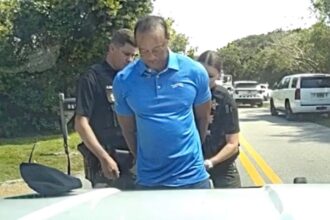
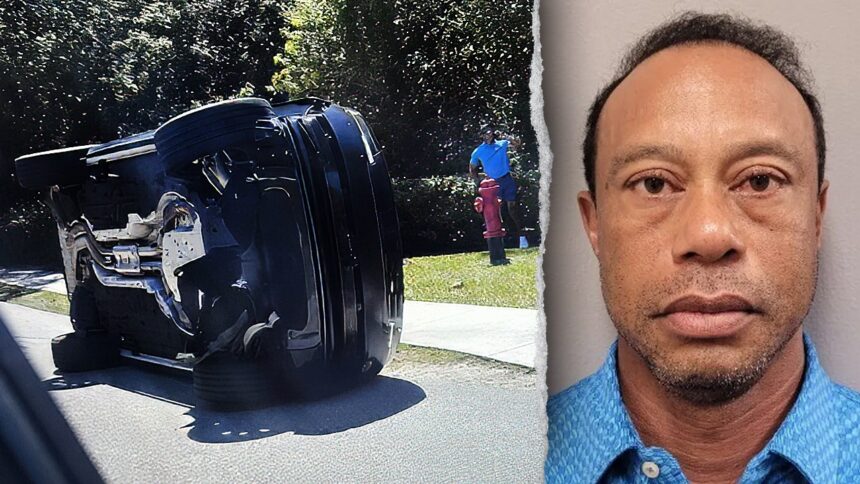
The footage from May 29th paints a concerning picture. Woods, arrested for DUI after being found asleep at the wheel of his running Mercedes-Benz SUV, appears disoriented and physically unsteady throughout the interaction with Jupiter Island police. The charges were later clarified to involve prescription medication, not alcohol, with Woods stating he had an “unexpected reaction” to prescribed drugs. The legal and personal ramifications are serious and separate from his golf career. Yet, in the midst of this personal crisis, the conversation unexpectedly turned to the fairways.
As Woods sat in the patrol car, an officer, seemingly attempting to establish a calm rapport, began talking golf. He mentioned a famous putter—the Scotty Cameron by Titleist Newport 2 GSS—that Woods confirmed he had used to win “14 majors.” Then came the poignant question: “You think you’re going to play in the Masters?” Woods’ response was soft, stripped of its usual defiant confidence, but clear: “Hoping to.” Those two words, uttered in that context, resonate far beyond a simple yes or no. They reveal a champion’s instinct, a flicker of ambition persisting even at his most vulnerable.
Expert Analysis: The Duality of Tiger’s Current Reality
This incident forces a dual analysis: one of the legal and personal recovery pathway, and another of the athletic comeback that now faces an even more complex hurdle.
The Personal and Legal Labyrinth: Sports psychologists and crisis management experts point to this as a critical inflection point. “The bodycam footage is less about golf and more about a cry for help,” notes Dr. Elena Rodriguez, a specialist in athlete mental health. “The ‘hoping to’ comment is almost an autonomic response from an identity so deeply rooted in competition. But the primary focus must shift entirely to holistic health—understanding the medication interaction, addressing any underlying issues, and navigating the legal process. The athlete cannot be addressed before the person is healed.”
The Golfing Comeback, Now on Unstable Ground: From a purely sporting perspective, the comment underscores the monumental challenge Woods already faced. Prior to this arrest, his comeback from severe leg injuries sustained in a 2021 car accident was a day-by-day proposition. The Masters, held at the hilly Augusta National, is a physically grueling test.
- Physical Readiness: His ability to walk 72 holes in major championship conditions was already the paramount question.
- Mental Fortitude: Competing at the highest level requires laser focus and emotional control, a state potentially compromised by ongoing legal proceedings and personal turmoil.
- Public Scrutiny: The spectacle of his return will now be magnified under the harsh glare of this recent incident, adding an immense layer of psychological pressure.
The “hoping to” was likely a genuine athletic goal, but experts agree the foundation for that hope has been severely shaken.
Predictions: What’s Next for Tiger Woods?
Forecasting Tiger Woods’ path is notoriously difficult, but the current landscape allows for several informed predictions.
1. A Withdrawal from the Masters is Highly Likely. While the tournament remains over a month away, the confluence of factors makes his participation seem increasingly improbable. The priority will be and should be his personal health and legal situation. A public appearance at Augusta, with the inevitable barrage of questions, could be detrimental to both his case and his recovery process. The most probable scenario is a quiet withdrawal, citing the need to focus on his private matters.
2. A Focused, Lengthy Absence from Competition. Expect Woods to retreat from the public eye to address these issues comprehensively. This isn’t a standard injury hiatus. It involves legal counsel, medical reviews of his medication regimen, and likely a renewed commitment to his overall well-being. His return to the PGA Tour, if it happens in 2023, would be a late-year prospect at the absolute earliest.
3. The Long-Term Legacy Impact. Tiger Woods’ legacy as the greatest golfer of his generation is unassailable. This incident, however, adds a tragic layer to his post-prime years. It will be framed as part of his ongoing battle with physical pain and its consequences. The narrative is shifting from “Can he overcome the leg?” to “Can he find peace and health beyond the ropes?” His future role may evolve further from active competitor to ceremonial figure and course designer, a transition this event may accelerate.
Conclusion: Beyond the “Hoping To”
The haunting image of Tiger Woods in the back of that police car, muttering about Masters aspirations, is a stark metaphor for his current existence: a giant of sport momentarily trapped, his spirit still reaching for the peaks he once owned. The bodycam footage did more than document an arrest; it exposed the fragile human behind the icon. The phrase “hoping to” was a whisper of the old Tiger, but the circumstances screamed a urgent need for a new kind of fight.
The road to Augusta National is paved with azaleas and tradition, but Tiger Woods’ path now leads through a different, more personal terrain. The world will watch, not just for a scorecard, but for a sign that the champion is winning the most important battle—the one for his own well-being. His greatest comeback may no longer be measured in trophies, but in finding a stable and healthy life after them. The hope for a Masters appearance may fade this spring, but it must be replaced by a more profound hope for his future beyond the game.
Source: Based on news from Fox Sports.