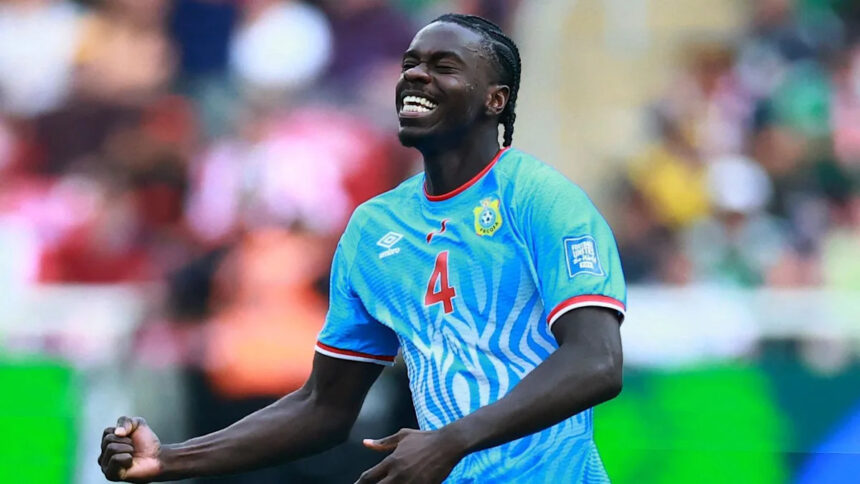
Axel Tuanzebe’s Historic Goal Sends DR Congo to First World Cup in 52 Years
The roar that erupted from the Guadalajara Stadium and echoed across the vast expanse of the Democratic Republic of Congo was one of pure, unadulterated catharsis. After 52 long years of waiting, of near-misses, and of footballing dreams deferred, the Leopards are going back to the FIFA World Cup. The architect of this historic moment was an unlikely hero: defender Axel Tuanzebe, whose extra-time torso goal against Jamaica sealed a 1-0 victory in the intercontinental play-off final, writing his name indelibly into the soul of a nation.
A Moment of Destiny Forged in Bunia
In the tense, tactical battle against a resilient Jamaica, the narrative was always destined to be about more than just football. Axel Tuanzebe, the Burnley defender, had framed the occasion perfectly in the build-up, telling the BBC this was the biggest game of his career. Born in Bunia, a city in the conflict-affected east of the DR Congo, Tuanzebe’s journey from England youth international to Congolese national hero is a powerful story of heritage and choice.
His decisive intervention in the 100th minute was not a moment of technical brilliance, but one of sheer, determined will. As Brian Cipenga’s in-swinging corner deflected off Jamaican defender Joel Latibeaudiere, it cannoned into the chest of the onrushing Tuanzebe, who essentially ran the ball over the line. The subsequent VAR check for a potential handball felt like an eternity, a cruel pause threatening to snatch away history. When the confirmation came, the release was seismic.
- Historic Qualification: Ends a 52-year World Cup drought dating back to 1974 (then as Zaire).
- Defining Goal: Axel Tuanzebe’s extra-time winner in the 100th minute.
- Emotional Connection: Tuanzebe, born in Bunia, DR Congo, becomes a national icon.
- Dramatic Finish: Goal confirmed after a tense VAR review for a potential handball.
Expert Analysis: The Grit Behind the Glory
This was not a victory built on free-flowing football. Jamaica, organized and physically imposing, made the encounter a grueling, tight affair. The fact that normal time saw two Cedric Bakambu goals correctly ruled out for offside underscored the fine margins at play. The Leopards’ path to qualification was a masterclass in resilience, navigating a challenging African qualifying group before this one-off showdown in neutral Mexico.
Tuanzebe’s goal was the culmination of a strategic set-piece and a team refusing to be denied. His defensive solidity throughout the match was paramount, but his decisive foray forward for the corner highlighted a critical tactical nuance: in modern football, defenders must be match-winners at both ends. The team’s discipline, holding firm during Jamaica’s spells of pressure, provided the platform for this single moment of fortune and fight. This qualification is a testament to the growing tactical maturity and collective spirit coach Sébastien Desabre has instilled in a squad brimming with diaspora talent and local heart.
What This Means for Congolese Football
The impact of this qualification cannot be overstated. For a nation of over 100 million people, perpetually in the global news for its challenges, this is a moment of unifying, joyous pride. Football has the power to temporarily silence other narratives, and the image of Tuanzebe—a son of a troubled region—scoring the goal that brings the world’s biggest sporting event back to the DRC is profoundly symbolic.
It promises a monumental economic and inspirational boost. The World Cup spotlight will shine on Congolese talent, culture, and passion. A new generation of children across Kinshasa, Goma, Lubumbashi, and Bunia now have a contemporary team of heroes to emulate. The legacy of the 1974 squad, often remembered for its hardships, is now complemented by a modern-day triumph that can inspire a fresh footballing dawn.
World Cup 2026 Predictions: What Can the Leopards Achieve?
Qualification is an enormous achievement, but the question now turns to the expanded 48-team World Cup 2026 in North America. DR Congo will not travel as mere participants. This is a squad with significant top-level experience. With players like Bakambu, Yoane Wissa, Chancel Mbemba, and now Axel Tuanzebe, they possess a core of veterans from Europe’s major leagues.
Their potential ceiling will depend on several factors:
- Group Draw: A favorable draw could see them target a historic knockout stage berth.
- Tactical Evolution: Coach Desabre must build on their defensive grit with more creative attacking patterns.
- Diaspora Engagement: Will this success attract other eligible talents to commit to the Leopards?
Realistically, advancing from the group stage will be the primary target. However, the sheer emotion and unity derived from this qualification can be a powerful weapon. They will be one of the most passionately supported teams, carrying the hopes of a continent. Expect them to be a physically strong, emotionally charged, and potentially disruptive force, capable of springing a surprise against more fancied opponents.
A Nation United, A Dream Realized
When the final whistle blew in Guadalajara, it signaled the end of a five-decade wait and the beginning of a new chapter. Axel Tuanzebe’s goal, scored with his heart as much as his torso, was more than a winning strike; it was a key unlocking a nation’s pent-up footballing joy. The journey from the pitches of Bunia to the World Cup stage is now a complete story for Tuanzebe and a beacon for every Congolese child.
The road to 2026 starts now. The Democratic Republic of Congo, with its immense talent pool and now-renewed belief, is no longer just a footnote in World Cup history. They are back, driven by the spirit of the Leopard, and ready to roar on the world’s grandest stage. The 52-year wait is over. The celebration across the heart of Africa has just begun.
Source: Based on news from Yahoo Sports.