Uncapped Prop Vilikesa ‘Billy’ Sela Earns Shock England Six Nations Call-Up
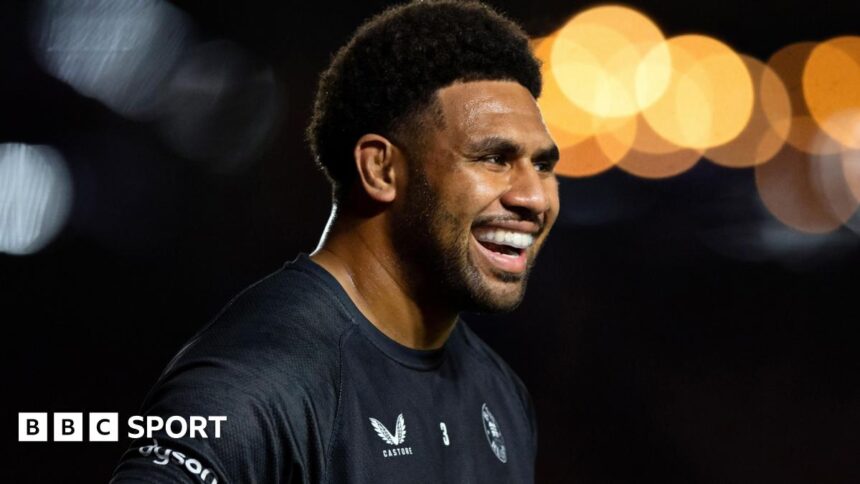
In a selection that underscores both a deepening injury crisis and a refreshing willingness to look to the future, Steve Borthwick has named uncapped 20-year-old Bath prop Vilikesa ‘Billy’ Sela in his England squad for the upcoming Six Nations. The call-up, necessitated by a worrying crop of tighthead injuries, headlines a squad announcement that rewards form, welcomes back returning faces, and makes some tough, experience-laden decisions in the back three. As England look to build on their third-place World Cup finish, Borthwick’s blend of hardened campaigners and explosive new talent sets the stage for a fascinating championship tilt.
Sela’s Meteoric Rise: From Bath Breakthrough to England Camp
The inclusion of Vilikesa ‘Billy’ Sela is the story of the squad. The Fijian-born tighthead, a product of the Bath academy, has made a mere seven senior appearances for his club, scoring two tries—a notable feat for a prop. His explosive power in the loose and surprising agility have turned heads at the Rec, but his promotion to the national set-up is a dramatic acceleration of his development.
This opportunity arises from necessity. With established tightheads like Dan Cole, Kyle Sinckler, and Will Stuart all managing various injuries, Borthwick has been forced to dig deep. Sela’s selection is a testament to the high regard in which he is held within the English system and a clear signal that England are investing in their scrummaging future. He will learn from the likes of veteran Joe Marler and the consistent Will Stuart, assuming he recovers, in what will be a baptism by fire at international level.
- Rapid Ascent: Seven Bath appearances, two tries.
- Injury-Driven Opportunity: Called up due to multiple tighthead injuries.
- Future Investment: A 20-year-old project for the scrum’s long-term health.
Form Rewarded and Fortunes Changed: The Rest of the Pack
Beyond Sela, Borthwick’s forward picks tell a story of deserved recognition and second chances. Exeter’s Greg Fisilau is perhaps the most anticipated new face in the back row. A powerful, dynamic number eight, his destructive carrying and defensive work for the Chiefs have been impossible to ignore. He enters a fiercely competitive back-row group featuring Ben Earl, Tom Curry, and Sam Underhill, but his form demands consideration for a starting role.
In the second row, Arthur Clarke of Gloucester returns after the cruel injury that robbed him of last year’s tournament. His debut cap came in the summer against the United States, and his lineout prowess and physicality offer a valuable point of difference. Another notable inclusion is Northampton’s Emmanuel Iyogun. The uncapped loosehead, who started both England A fixtures in the autumn, provides essential cover and highlights the strength developing at Franklin’s Gardens.
Expert Analysis: “Borthwick is doing two things here,” notes a seasoned Premiership scout. “He’s addressing an immediate injury problem with Sela, which is pragmatic. But with Fisilau and Clarke, he’s selecting on pure performance and potential. Fisilau, in particular, plays with a fearlessness that could ignite England’s gain-line attack. This is a more assertive selection strategy than we sometimes see.”
The Brutal Back-Three Calculus: Experience Wins the Day
If the forward selections speak of opportunity, the decisions in the back three highlight the ruthless competition for places and the value Borthwick places on proven international class. The omission of exciting youngsters like Noah Caluori (Saracens), George Hendy, and Ollie Sleightholme (both Northampton) will disappoint many fans who have thrilled at their club form.
However, the preference for Henry Arundell (Bath), Cadan Murley (Harlequins), and the vastly experienced Elliot Daly (Saracens) is a clear statement of intent for the Six Nations. Arundell’s otherworldly finishing ability is a unique weapon, Murley is perhaps the most consistent try-poacher in the Premiership, and Daly’s left-footed kicking, versatility, and big-game nous are invaluable assets in a championship environment.
This trio, alongside established stars like Freddie Steward and Tommy Freeman, gives Borthwick a blend of gas, power, and tactical savvy. The message to the uncapped wingers is clear: breathtaking club form is the entry ticket, but converting that to the pressurized cauldron of the Six Nations is another step entirely.
Predictions and Championship Outlook
This England squad enters the Six Nations in a curious position—not quite favourites, but undoubtedly dangerous. The infusion of raw talent like Sela and Fisilau adds an element of the unknown, while the core of the World Cup squad provides stability.
Key predictions for England’s campaign include:
- Greg Fisilau will start a match: His form is too compelling, and he offers a ball-carrying threat that can change defensive patterns.
- The scrum will be a work in progress: With injuries and new faces, the set-piece may experience early turbulence, especially against France and Ireland.
- Back-three selection will be game-by-game: Borthwick will likely tailor his wing choices to the opponent, using Arundell’s X-factor against tiring defenses and Daly’s boot in territorial battles.
- A top-two finish is the realistic goal: Navigating a tricky opener in Rome and a daunting trip to Murrayfield, England will aim to build momentum. A championship win may be a bridge too far, but challenging for the title is the minimum expectation.
Conclusion: A Squad Balancing Immediate Need and Future Vision
Steve Borthwick’s first post-World Cup squad is a compelling hybrid. The call-up of uncapped prop Billy Sela is a headline-grabbing move born of necessity but rich with future promise. The rewarding of Greg Fisilau’s explosive form and the return of Arthur Clarke show a selector’s eye for in-form talent. Conversely, the tough calls in the back three, favouring Arundell, Murley, and Daly, reveal the cold, hard logic of Test match rugby.
This is not a revolutionary squad, but an evolutionary one. It respects the foundations laid in France during the World Cup while deliberately injecting new energy and physicality. The success of England’s Six Nations tilt may well hinge on how quickly the new blood adapts and whether the experienced core can elevate their game once more. One thing is certain: the journey begins with a fascinating new chapter, written in part by a 20-year-old prop from Bath who now carries the hopes of a nation on his powerful shoulders.
Source: Based on news from BBC Sport.