Ben Sulayem’s Unopposed Re-Election: A Mandate of Stability or a Sign of Stagnation?
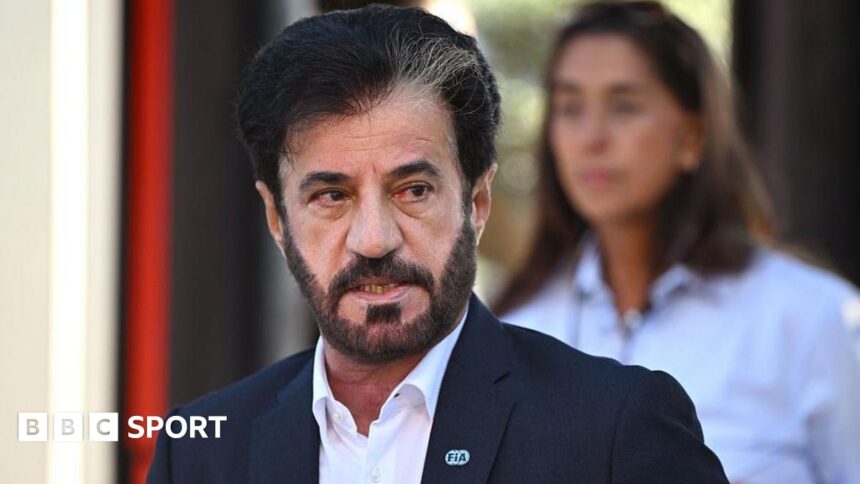
The corridors of power in global motorsport have echoed with a singular name. In a move that was both anticipated and dissected, Mohammed Ben Sulayem has been re-elected as President of the Fédération Internationale de l’Automobile (FIA), motorsport’s ultimate governing body. The election, held during the FIA General Assembly in Tashkent, Uzbekistan, presented a unique political tableau: a single candidate on the ballot. Securing a commanding 91.51% of the vote, Ben Sulayem’s second term was never in doubt, yet the 8.5% of eligible member clubs who withheld their support speaks volumes about the complex landscape he now presides over. This unopposed re-election, facilitated by a procedural quirk in the FIA’s own statutes, is less a coronation and more a catalyst for urgent questions about the future direction of the world’s most prestigious racing series and the organization tasked with its stewardship.
The Mechanics of an Uncontested Race
To understand the significance of this election, one must first understand its unusual mechanics. Unlike a typical democratic process, the FIA’s election rules created a scenario where potential challengers were effectively locked out. The crucial stipulation required candidates to secure formal nominations from a minimum number of member clubs well in advance of the General Assembly. This high barrier to entry, combined with Ben Sulayem’s incumbency and the sprawling network of support he has cultivated since taking office in December 2021, deterred any organized opposition from materializing. The result was a ballot with one option: affirm the status quo or abstain.
The 91.51% “yes” vote is a powerful numeric endorsement, but the nearly 9% abstention rate is a subtle, yet clear, signal of dissent or concern within the FIA’s global membership. These clubs, representing national sporting federations from around the world, chose not to endorse the sole candidate, a rare act of passive resistance in such a structured environment. This detail underscores that while Ben Sulayem’s authority is solidified, his tenure is not without its critics.
Analyzing the First Term: Turbulence and Transformation
Ben Sulayem’s initial ascent to the presidency marked a dramatic shift from the long, diplomatic reign of Jean Todt. His first term has been characterized by a hands-on, and at times controversial, approach to governance. Key initiatives and flashpoints have defined his leadership style:
- Financial Regulation Scrutiny: The FIA under Ben Sulayem has taken a more aggressive stance on enforcing the Cost Cap in Formula 1, issuing significant penalties and fostering a more adversarial public relationship with the F1 commercial rights holder, Liberty Media.
- Expansion of the FIA’s Portfolio: A pronounced push to elevate the World Rally Championship (WRC) and World Endurance Championship (WEC) has been a priority, aiming to create a more balanced power dynamic within the federation beyond the overwhelming commercial might of F1.
- Governance Controversies: The president’s tenure has been punctuated by internal and external investigations, including allegations of interference in race proceedings. While he was cleared of wrongdoing, these episodes created an aura of instability.
- Focus on Grassroots and Diversity: Initiatives like the FIA Girls on Track program and a stated commitment to supporting national clubs have been central to his platform, aiming to broaden the sport’s base.
This record paints a picture of a president unafraid to disrupt established norms. For some member clubs, particularly those outside the F1 sphere, this assertive style has been welcome. For others, it has raised concerns about the FIA’s relationship with its most lucrative commercial partner.
The Road Ahead: Predictions for a Second Term
With the electoral formalities behind him, Ben Sulayem now has a clear four-year runway to implement his vision. The challenges and opportunities are immense. We can anticipate several key battlegrounds will define his second term:
The F1 Power Dynamic will remain the most watched narrative. The tension between the FIA’s regulatory role and Liberty Media’s commercial ambitions is inherent, but Ben Sulayem’s approach has amplified it. Expect continued tough negotiations on the next Concorde Agreement, with the FIA likely pushing for greater financial return from F1’s profits to fund its wider sporting and mobility missions. The enforcement of technical and financial regulations will be scrutinized like never before.
Furthermore, the sustainability and calendar expansion of F1 will be a major focus. The FIA holds the keys to approving new races and enforcing its increasingly stringent sustainability goals. How it balances the commercial appeal of new venues in emerging markets with the logistical and environmental concerns of a bloated calendar will be a critical test of its regulatory resolve.
Beyond F1, strengthening the FIA’s other world championships is a stated goal. Success will be measured in the commercial growth and competitive relevance of WEC and WRC. Can the federation attract manufacturers and broadcasters to these series in a meaningful way? Finally, the digital transformation of motorsport, including the integration of esports and addressing the challenges of AI and sim racing, presents both an opportunity and a threat to traditional structures.
A Conclusion of Crossroads
Mohammed Ben Sulayem’s unopposed re-election is a testament to his political consolidation of power within the FIA’s intricate framework. It grants him undeniable authority, but not universal acclaim. The path he chooses now will determine whether his legacy is that of a transformative leader who rebalanced the federation’s priorities and stood firm as a regulator, or a disruptive force that alienated key stakeholders and sowed instability.
The 91.51% vote is a mandate for continuity, but the silent protest of the abstaining clubs is a reminder of underlying fissures. The true verdict on Ben Sulayem’s presidency will not be delivered in a ballot box in Tashkent, but on the world’s racetracks, in the corporate boardrooms of manufacturers, and in the health of the sport’s grassroots. His first term was about making a mark. His second must be about building a lasting, and less contentious, legacy. The checkered flag on this era is still a long way off.
Source: Based on news from BBC Sport.