


USA vs Canada Women’s Hockey: Is the 2026 Team the Greatest Ever?
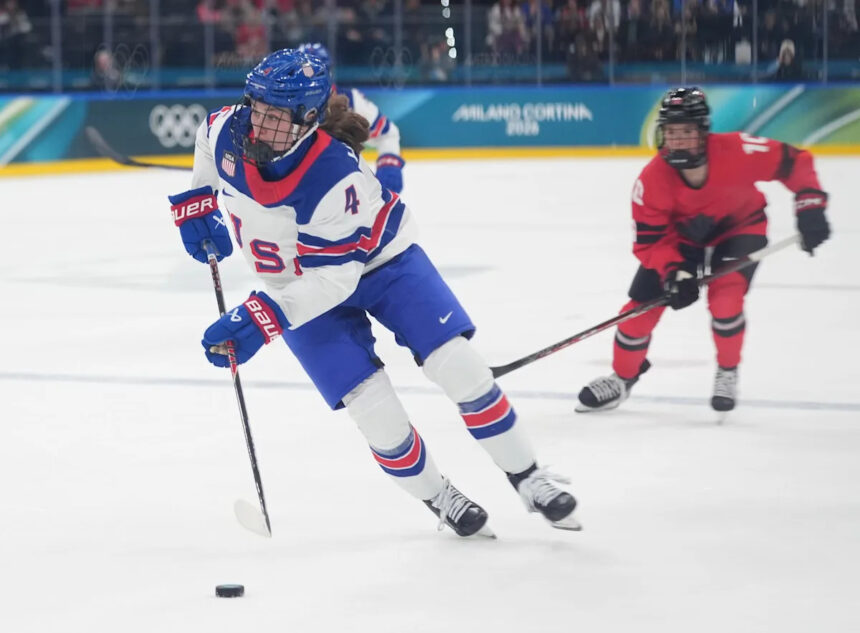
The air in Milan is thick with anticipation, a familiar tension that only a USA-Canada women’s hockey gold medal game can produce. As these two titans prepare to clash once more, a compelling question overshadows the rivalry itself: Are we witnessing the finest U.S. women’s national team ever assembled? For those who have worn the sweater and felt the weight of its history, the answer is becoming clear. This isn’t just a team chasing gold; it’s a squad redefining excellence.
A Legacy of Greatness: The Ghosts of Nagano and Pyeongchang
To declare any team “the best” requires a respectful nod to the legends who built the standard. The United States women’s hockey program is built upon the shoulders of giants.
The 1998 Nagano pioneers were a force of will and talent, capturing the first Olympic gold in women’s hockey and announcing American dominance to the world. Their victory was a monumental breakthrough, a perfect blend of skill and trailblazing spirit that created a legacy for all to follow.
Then came the 2018 Pyeongchang heart-stoppers. Defined by the Lamoureux twins’ iconic moment—Monique’s last-minute, game-tying goal and Jocelyne’s unforgettable shootout winner—that team exemplified clutch resilience. They snapped a 20-year Olympic gold drought in the most dramatic fashion imaginable, their mental fortitude forever etched in hockey lore.
These squads were legendary. But the 2026 team in Milan presents a different, more formidable profile.
The 2026 Blueprint: Unprecedented Depth as a Superpower
What separates this American team from its storied predecessors is not merely star power—it’s systemic strength. As Olympic champion Monique Lamoureux told USA TODAY Sports, the key is universal contribution. “Everyone up and down the lineup is contributing,” she said. This isn’t coach-speak; it’s the statistical and visual reality of their dominant run to the final.
Depth is their superpower. Unlike tournaments where a single “hot line” carries the offensive load, this U.S. roster has seen production from nearly every player. The scoring sheet reads like a full roll call, a nightmare for opposing coaches who cannot simply shut down one unit and expect to survive.
- Four-Line Offense: From the top scoring trio to the checking line, each unit possesses the speed and hockey IQ to create dangerous chances. There is no defensive respite for Canada.
- Defensive Offense: The blue line is not just a defensive wall; it’s an activated, mobile quarterback corps. Defensemen are pivotal in transition and the power play, adding a layer of attack that is relentless.
- Goaltending Stability: Anchored by a cool, experienced starter with a capable backup, the net is a position of quiet confidence, not anxious hope.
This structural advantage creates a sustainable model for success. “To see them all performing at the same tournament… that’s really good to see,” Lamoureux noted. It’s the hallmark of a team built for the pressure cooker of a gold-medal game.
The Ultimate Test: Confronting the Canadian Juggernaut
Greatness is not claimed in a vacuum; it must be seized from the grasp of your fiercest rival. The USA-Canada rivalry is the perfect crucible for this “best ever” debate. Canada, with its own constellation of stars and a relentless physical style, provides the only true measuring stick.
For the 2026 U.S. team, this final is about exorcising recent demons. While they have found consistent success in World Championships, the Olympic stage has been a heartbreaker since 2018, with Canada standing atop the podium in 2022. This team’s historical standing hinges on reversing that trend.
Tactical versatility will be their weapon. Can they impose their speed and depth against Canada’s physicality? Can their power play, fueled by that deep roster, crack Canada’s disciplined structure? The ability to win in multiple ways—a gritty, low-scoring battle or a wide-open offensive showcase—is the final piece of evidence needed to cement their legacy. This isn’t just about winning gold; it’s about how they win it.
Verdict and Vision: The Case for History
So, is this the best U.S. women’s hockey team ever? The evidence tilts decisively toward yes.
The 1998 team had the pioneering spirit. The 2018 team had the legendary, clutch narrative. The 2026 team possesses a complete, modern machine-like quality. They combine the skill of past eras with a strategic emphasis on roster-wide contribution that may be unmatched. They have the stars, but they don’t rely solely on them. They have the goaltending, but they don’t hide behind it. They play a full 60-minute, 20-player game.
A gold medal victory over Canada on Thursday would not just be another championship. It would be a coronation. It would validate their model of depth and prove that the program has evolved to its highest peak. It would mean this team conquered the toughest opponent, in the biggest moment, using every tool at its disposal.
As the puck drops in Milan, history watches. Another golden chapter for USA Hockey is there for the taking. This team, with its profound depth and unified purpose, is built not just to win a game, but to claim a title that may echo through the sport for generations: the greatest ever.
Source: Based on news from Yahoo Sports.


