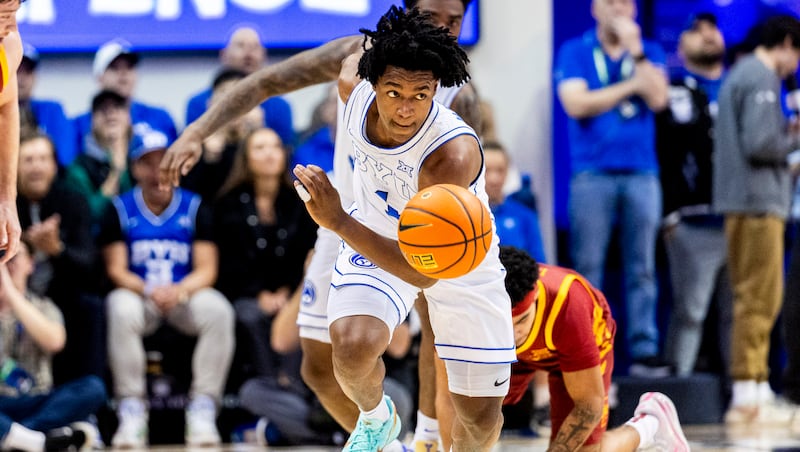
Utah Men’s Basketball Transfer Portal Tracker: The 2026 Offseason Shakeup Begins
The annual collegiate roster revolution is officially underway. While the 15-day spring transfer portal window for NCAA Division I men’s basketball only just opened, the seismic tremors have been felt for weeks across the state of Utah. Reports, social media whispers, and official entries have already begun to redraw the map for the state’s seven programs. This period of intense player movement is more than just transactions; it’s a high-stakes strategy session that will define the 2026-27 season before a single jump ball is tossed. For coaches at Utah, BYU, Utah State, Weber State, Southern Utah, Utah Valley, and Utah Tech, the next few weeks are a critical arms race.
This tracker serves as your central hub for all inbound and outbound movement within Utah’s vibrant basketball ecosystem. We’ll provide expert analysis on what each departure and commitment means for program trajectory, competitive balance in conferences like the Big 12, Mountain West, and WAC, and the evolving philosophy of team building in the modern era. The portal giveth, and the portal taketh away. Here is the running list of who’s in, who’s out, and what it all means.
The Portal Opens: Key Departures and Early Entrants
Even before the official April window, the anticipation built to a fever pitch. The transfer portal is no longer a surprise; it’s a calculated offseason phase. Several notable names from Utah schools had already signaled their intent, creating immediate needs and opportunities for their now-former teams. This list, sourced from primary aggregation services like Verbal Commits and confirmed reports, will be updated throughout the cycle.
Reported Portal Entrants from Utah Schools (Spring 2026 Window):
- Player A, Guard, University of Utah: A key rotational scorer seeking a larger offensive role. His departure opens up backcourt minutes but removes a proven sparkplug off the bench for the Utes.
- Player B, Forward, BYU: A physical frontcourt player whose entry suggests a mutual fit change. BYU’s system under Kevin Young demands specific spacing skills, making this a strategic recalibration.
- Player C, Wing, Utah State: A defensive stalwart from last season’s MWC contender. His loss will be felt on that end of the floor, putting pressure on the Aggies to find a similar “stopper” in the portal.
- Player D, Point Guard, Weber State: A young guard with multiple years of eligibility left. This is a classic “seeking a new opportunity” move that underscores the competitive nature of even successful mid-major programs.
- Player E, Center, Southern Utah: A graduate transfer with immediate eligibility. His experience is now on the market, and SUU must decide between promoting internal depth or diving into the portal for a replacement.
This initial wave is just the beginning. As coaching staffs have exit meetings and players assess their prospects, more names will inevitably surface. The 15-day window closing on April 21st creates a frantic first act in the offseason drama.
Strategic Analysis: What These Moves Mean for Each Program
Every portal entry is a story with two chapters: the void left behind and the potential filled ahead. Let’s break down the early implications for the involved Utah schools.
University of Utah: Losing a reliable bench scorer like Player A tests the Utes’ depth. Coach Craig Smith must now decide if an internal candidate like a rising sophomore is ready for a expanded role, or if he needs to go shopping for a veteran guard who can provide instant offense in the rugged Big 12. This could become a proactive move to upgrade athleticism on the perimeter.
BYU Cougars: Kevin Young’s offensive system is notoriously specific. The departure of Player B, a traditional forward, may signal a deliberate pivot towards acquiring a stretch-four or a more switchable defender. BYU’s extensive recruiting network and offensive appeal make them a likely major player in the portal for a specific skill-set type.
Utah State Aggies: The Aggies have built a powerhouse by mastering the portal. Losing a defensive anchor hurts, but history shows Coach Danny Sprinkle and his staff have a keen eye for identifying and developing under-the-radar talent that fits their culture. Replacing defensive IQ will be the top priority.
Weber State & The Utah Mid-Majors: For programs like Weber State, UVU, SUU, and Utah Tech, the portal is a double-edged sword. They risk losing developed talent to higher-profile leagues, but they also have the chance to snag Power Conference players seeking major minutes or hidden gems from the junior college ranks. The key is identifying players who fit a system rather than just chasing rankings.
Predictions: The Inbound Wave and Future Trends
While departures dominate the early headlines, the inbound commitments will ultimately determine who wins the offseason. Based on recent history and current roster construction, here are predictions for how Utah’s schools will navigate the coming weeks.
Utah and BYU will battle for a “Big Fish.” The resources and conference prestige of the Big 12 will see both schools seriously involved with at least one top-50 portal prospect. The need might differ—Utah could target a scoring wing, BYU a playmaking guard—but both will be aggressive.
Utah State will find another gem. Bet against the Aggies’ portal prowess at your own peril. Expect them to land a relatively unheralded player from a mid-major or a reserve from a Power team who blossoms in Logan into an all-conference performer. It’s become their blueprint.
The WAC/Big Sky arms race will intensify. Weber State, UVU, and SUU often compete for similar portal prospects. A player who enters from one might very well land at another. Utah Tech’s continued growth as a Division I program also makes them an intriguing destination for players wanting to be part of a build.
NIL Collectives will be the deciding factor. This is the unspoken reality. A player’s final decision between two seemingly equal schools will increasingly come down to the structure and strength of the program’s Name, Image, and Likeness collective. Utah’s schools have robust collectives, but how they present those opportunities will be crucial.
Conclusion: A Defining Period for Hoops in the Beehive State
The transfer portal has transformed college basketball from a slow-build endeavor into a year-round game of high-speed chess. For the seven Division I programs in Utah, the spring of 2026 is a pivotal moment. The departures, while challenging, are not merely losses—they are opportunities to recalibrate, address weaknesses, and potentially upgrade a roster’s ceiling overnight.
The true measure of success won’t be known until next winter. A team that loses three starters to the portal but replaces them with perfect system fits can actually improve. Conversely, a team that retains everyone might fall behind in the talent arms race. As the April 21st deadline approaches, coaching staffs will work around the clock, selling their vision, their development track record, and their community.
Stay locked on this tracker. The names will change, the stakes will rise, and the future of Utah college basketball will be written one portal entry and commitment at a time. The offseason, for all intents and purposes, is now the most competitive season of all.
Source: Based on news from Yahoo Sports.