Vanderbilt’s Diego Pavia Apologizes for Heisman Vote Controversy: A Moment of Raw Emotion in the Spotlight
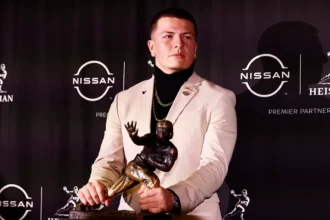
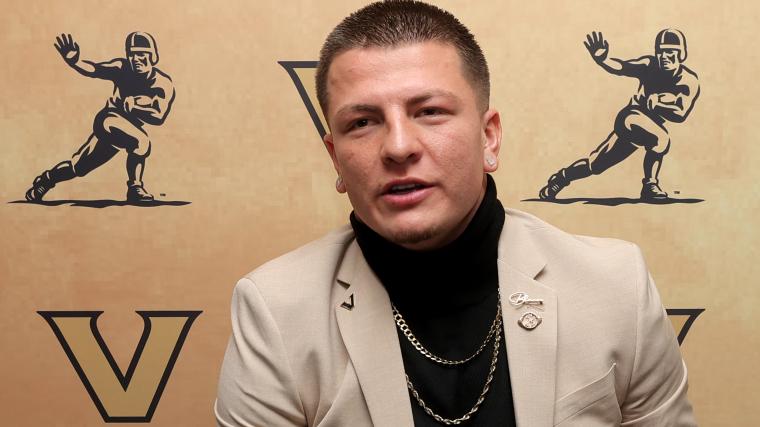
The Heisman Trophy ceremony is a night of polished smiles, rehearsed humility, and the careful curation of a legacy. For Vanderbilt quarterback Diego Pavia, the 2025 event was all of that—until it wasn’t. Finishing as the runner-up to Indiana’s Fernando Mendoza, Pavia’s initial reaction shattered the script. In a fleeting Instagram story, the fiery competitor posted a message that read, “F-all the voters,” before pivoting to a note on family loyalty. The digital eruption was immediate. By Sunday, the quarterback issued a full public apology, calling his own actions “disrespectful” and a poor representation of his character. This incident is more than a simple social media misstep; it’s a revealing case study in modern athlete pressure, instant reaction culture, and the arduous path from public mistake to personal accountability.
The Spark and the Backlash: A Viral Moment Under the Microscope
Diego Pavia’s journey to Heisman finalist was itself a story of seismic importance for Vanderbilt football. His dynamic play transformed the Commodores into a relevant SEC threat, making his candidacy a point of immense pride for a program often in the shadow of conference giants. The emotional investment was colossal, both for Pavia and the Vanderbilt community. When the announcement came, and Mendoza’s name was called, the camera captured the familiar, stoic disappointment on Pavia’s face. What happened next, however, played out off-screen and in real-time.
The now-infamous Instagram story, though deleted, lived on through screenshots, spreading across platforms like X, TikTok, and sports forums. The backlash was swift and came from multiple angles:
- Heisman Purists viewed it as a stain on the award’s decorum.
- Media Members and some voters saw it as a direct, ungrateful attack on the process.
- Opposing Fans seized on it as evidence of poor sportsmanship.
- Even some Vanderbilt supporters expressed disappointment, fearing it overshadowed his phenomenal season.
This rapid, multi-front criticism created a public relations crisis for Pavia, forcing a response far weightier than a simple deletion of the post. The digital footprint of athlete emotion had, once again, triggered a necessary but complex dance of damage control.
Deconstructing the Apology: Accountability in the Age of Instant Reaction
Pavia’s apology, issued on social media, was a textbook example of effective crisis management for a young athlete. It did not make excuses. It took full ownership. Let’s break down why his statement largely hit the right notes.
“Being a part of the Heisman ceremony last night as a finalist was such an honor,” Pavia began, immediately re-establishing respect for the institution. He then framed his reaction through the lens of universal competitiveness: “As a competitor, just like in everything I do, I wanted to win. To be so close to my dream and come up short was painful.” This is relatable. It humanizes him before the crucial pivot: “I didn’t handle those emotions well at all and did not represent myself the way I wanted to.”
By labeling his own post “disrespectful,” Pavia used the precise language his critics employed, demonstrating he understood the core of the offense. He didn’t blame the voters, the system, or the fatigue of the night. He blamed his own lack of emotional control. In the arena of public apologies, this direct accountability is the currency of redemption. It shifts the narrative from “angry athlete lashes out” to “passionate competitor stumbles, then owns it.” This is a critical distinction for his future, both on and off the field.
Expert Analysis: The Unprecedented Pressure Cooker
To understand this incident, one must appreciate the unique pressures converging on a player like Diego Pavia. “We are asking 21 and 22-year-olds to be corporate spokespeople the moment a dream dies in real-time,” notes Dr. Alicia Monroe, a sports psychologist who has worked with collegiate athletes. “The Heisman ceremony is a culmination of a lifetime of work. The cameras are on you to capture your ‘graceful loser’ moment. Then, you walk off stage into a world where your first raw thought can be broadcast globally in seconds. The psychological whiplash is immense.”
This isn’t the era of a frustrated quote to a beat reporter the next day. This is the era of the instant, unfiltered emotional broadcast. Pavia’s post, while clearly a mistake, was arguably an authentic glimpse of the devastation every runner-up feels but has historically been trained to conceal. The issue, experts argue, isn’t the feeling—it’s the medium.
“Social media has removed the buffer,” says veteran sports journalist Marcus Thorne. “There’s no agent, no SID, no cool-down period. It’s the id of sports emotion, and it’s publicly available. For program builders like Clark Lea at Vanderbilt, managing this reality is now as important as managing the playbook. The apology is the first step in reinstalling that buffer.”
Looking Ahead: Impact on Legacy and the 2026 Season
The immediate question is: what now? The long-term impact of this incident on Diego Pavia’s career and Vanderbilt’s program will be determined by what follows the apology. Here are the key predictions and areas to watch:
- Short-Term Narrative Fuel: Pavia will face questions about this at SEC Media Days and in every major interview leading into the 2026 season. How he handles those, with consistency and contrition, will be crucial.
- Locker Room Leadership Test: As a senior leader, Pavia must now demonstrate the emotional maturity he preached in his apology. This moment can become a teaching point for younger teammates about handling public adversity.
- On-Field Motivation: Historically, great competitors use slights—real or perceived—as fuel. Pavia has now created his own. Expect an intensely focused offseason with the Heisman outcome and the subsequent fallout driving his preparation. The 2026 Heisman campaign starts now, under a brighter, more scrutinizing spotlight.
- Program Perception: Vanderbilt can navigate this positively. The story can evolve from “Vandy QB curses out voters” to “Vandy leader takes accountability, grows from mistake.” The athletic department’s guidance in the coming months is pivotal.
Conclusion: A Chapter in a Larger Story
Diego Pavia’s “disrespectful” post and his subsequent apology are two sides of the same coin: a portrait of a supremely passionate athlete navigating a world where emotion and image collide at light speed. His mistake was real, but his response was correct. In the grand narrative of sports, moments of human frailty followed by genuine accountability often resonate more deeply than perpetually polished perfection.
This incident will attach a footnote to his 2025 Heisman runner-up finish, but it does not have to define it. The true legacy of this weekend will be written by what Diego Pavia does next—in the weight room, in the film session, on the field next fall, and in his continued conduct as the face of Vanderbilt’s resurgence. The apology closed one damaging chapter. It also, perhaps unintentionally, opened a new one brimming with motivation and a powerful lesson in the heavy weight of the spotlight. The comeback, both personal and public, starts now.
Source: Based on news from Yahoo Sports.