The Digital Stadium of Hate: Football’s Battle Against Faceless Racism
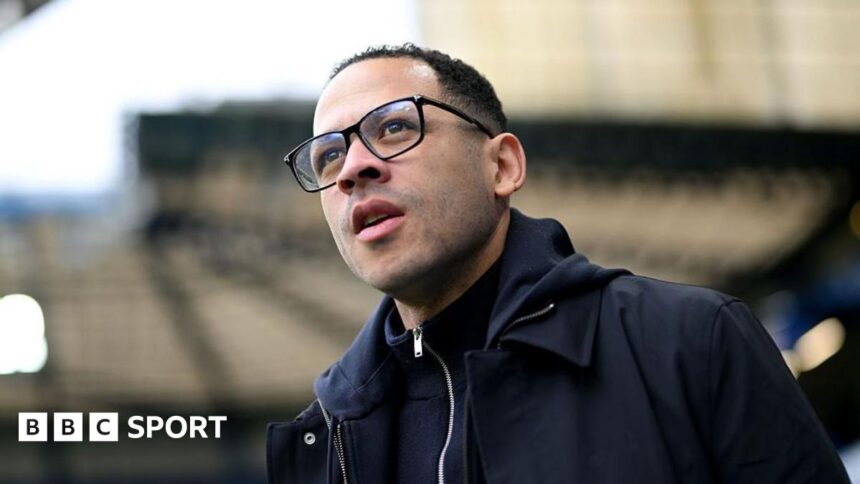
The final whistle blows. For the players, the physical battle on the pitch is over, but for an increasing number, a more insidious, cowardly conflict is just beginning. As they reach for their phones, the notifications flood in—not messages of support, but a torrent of racial hatred, death threats, and vile abuse. This is the grim reality for modern footballers, where the walk down the tunnel is followed by a descent into the lawless abyss of social media. As Chelsea’s Liam Rosenior starkly warns, it has become “very easy to abuse online without consequences,” a sentiment echoing through dressing rooms and training grounds across the country.
A Weekend of Shame: The Targets of Anonymous Vitriol
Last weekend served as a chilling case study. What should have been a celebration of the Premier League’s competitive drama instead became what anti-discrimination charity Kick It Out rightly labeled an “appalling weekend.” The triggers were mundane footballing incidents: a red card, a missed chance, a competitive match. The responses, however, were anything but.
Chelsea defender Wesley Fofana, after being sent off against Burnley, was bombarded with racist abuse on Instagram. His opponent, Burnley’s Hannibal Mejbri, suffered the same fate. The poison spread beyond the top flight, with Wolves’ Tolu Arokodare and Sunderland’s Romaine Mundle also targeted. This was not an isolated incident targeting one individual; it was a coordinated wave of hatred, demonstrating how social media algorithms and pack mentality can turn a footballer’s mistake into a magnet for bigotry.
Liam Rosenior, speaking with the authority of a manager and the empathy of a former player, highlighted the human cost. “It has been a difficult experience for Wesley,” he stated, underscoring that behind the professional athlete is a person subjected to trauma simply for doing their job. The abuse is a calculated attack, designed to dehumanize and inflict psychological damage, all from behind the cowardly shield of a fake account and an anonymous username.
The Consequence-Free Zone: Why Social Media Enables Abuse
Rosenior’s central thesis—that abuse online is “very easy” and without punishment—hits on the core of the crisis. The architecture of major social media platforms, combined with legal and jurisdictional inertia, has created a perfect storm.
- Anonymity as a Weapon: The ability to create endless throwaway accounts provides perpetrators with a disposable cloak of invisibility. There is no fear of social reprisal or immediate accountability.
- Platform Inertia: While reporting tools exist, responses are often slow, inconsistent, and fail to deter repeat offenders. The burden of proof and trauma of collection falls on the victim.
- The Virality of Hate: Abusive posts, particularly those targeting high-profile figures, can generate engagement—likes, shares, furious replies—which platforms’ algorithms can inadvertently amplify.
- Jurisdictional Labyrinth: An abuser could be in another city or another continent, making legal prosecution complex, costly, and rare. This perceived immunity emboldens offenders.
This ecosystem creates a “digital stadium” where thousands can scream the most hateful slurs with zero risk, a scenario unimaginable in a physical ground where CCTV and stewarding would lead to swift ejection and bans.
Beyond Gestures: The Path to Meaningful Consequences
Football has made strides. Taking the knee, strong statements from clubs, and partnerships with organizations like Kick It Out and Show Racism the Red Card are important for awareness. But as this weekend proved, awareness alone is not a deterrent. The industry must shift from symbolic solidarity to imposing tangible, punitive consequences.
First, the onus must fall heavier on the platforms. Rosenior’s call for “more to be done” is a direct challenge to Meta (Instagram’s parent company), X, and others. This requires:
- Mandatory, verifiable identity checks for users creating large-scale or public-facing accounts.
- Far more sophisticated, proactive AI to detect and remove racist language and imagery before it is ever seen by the target.
- Immediate, permanent device bans for confirmed abuse, not just account deletions.
- Transparent, quarterly publishing of data on abuse reports, actions taken, and cooperation with law enforcement.
Second, football authorities and governments must collaborate on legislation. The UK’s Online Safety Act is a step, but it must be enforced with rigor. A unified, global sporting effort could lobby for “digital trespass” laws, treating sustained, malicious online harassment akin to entering a field of play—a criminal act with severe penalties.
Third, clubs must provide relentless, legal-backed support. This means employing dedicated digital protection officers, working with cybersecurity firms to trace abuse, and pursuing every legal avenue to prosecute, making public examples of those who are caught.
The Future of the Game: A Prediction and a Plea
If the current trajectory continues, we risk a profound alienation of players from the fans they serve. The prediction is bleak but plausible: players may retreat entirely from public social media engagement, eroding the connectivity that has defined the modern game. We may see more stars following the lead of those who have left platforms altogether, or clubs imposing blanket social media blackouts after difficult results—a sad indictment of our collective failure.
Alternatively, this moment of heightened crisis could be the catalyst for real change. The prediction here is that sustained pressure from powerful clubs, broadcasters, and sponsors—whose commercial interests are linked to the well-being of players—could force a technological and legal reckoning for social media companies. Imagine a scenario where a coalition of Premier League clubs threatens to withdraw all official content from a platform that fails to meet a strict code of conduct on abuse. The economic leverage exists.
Liam Rosenior’s comments are not just a manager defending his player; they are a rallying cry for the soul of the sport. The beautiful game is globally revered for its power to unite across cultures and borders. That very internationalism makes its players targets for a vile, fragmented minority. Stamping this out, as Rosenior demands, requires treating online racism with the same zero-tolerance immediacy as if it were shouted from the stands. It requires making the digital world feel consequentially real for the abusers.
The conclusion is inescapable. The fight against racism in football is no longer just about the stands, the chants, or the banners. The most urgent, brutal front line is now digital. Until anonymous users logging on to spew hate face a genuine and likely risk of personal, professional, and legal ruin, the notifications of abuse will keep pinging onto the screens of players mere moments after their final whistle. The consequence-free era must end. The beautiful game deserves nothing less than a full-scale press against the cowards in the shadows.
Source: Based on news from BBC Sport.