Beyond the Podium: The Grueling, Unseen Life of a Professional Curler
The Olympic spotlight is blinding but brief. For a few weeks every four years, the world marvels at the precision, strategy, and sweeping intensity of curling. We see the dramatic shots, the celebratory fist pumps, and the iconic brooms. Then, the flame is extinguished, and the athletes vanish from the public eye. A question lingers: What do curlers do when they’re not at the Olympics? The answer shatters the last vestiges of the “hobbyist” stereotype. In the shadows between Games, they are not resting; they are engaged in a relentless, 12-month-a-year pursuit of excellence that rivals any mainstream sport.
- The Full-Time Grind: Redefining the “Amateur” Athlete
- The Triple-Threat Training Regimen of a Modern Curler
- The Global Circuit: From Obscure Ice Rinks to the “Battle of the Curling Influencers”
- Predictions: The Future of the Professional Curler
- Conclusion: The Olympic Illusion and the Relentless Reality
The Full-Time Grind: Redefining the “Amateur” Athlete
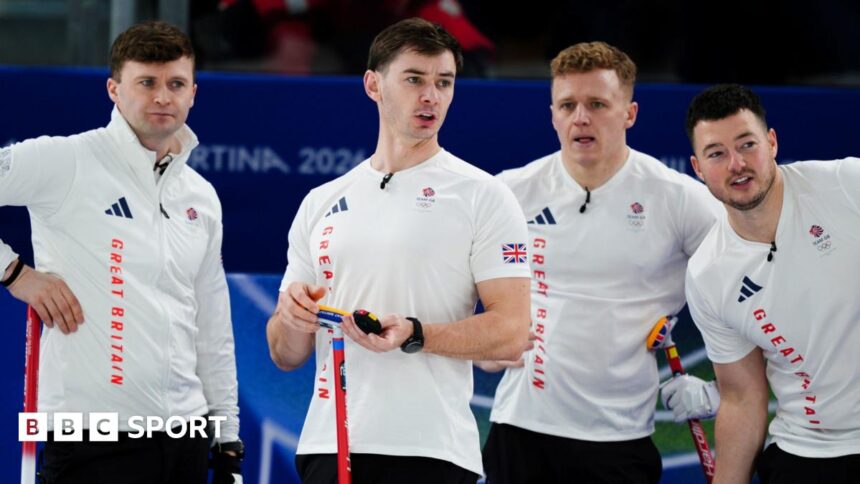
Would it surprise you to know that Team GB’s curlers are full-time? Or that many of the world’s top teams from Canada, Sweden, and Switzerland treat curling as a professional career? The era of the postman or teacher who curls on weekends is fading at the elite level. Modern Olympic curlers are salaried athletes, funded by national federations, sponsorships, and event prize money. Their schedule is a testament to this professional shift.
Consider this relentless annual rhythm: They train 12 months a year, with only a couple of weeks holiday during the summer. They are actually on the ice 44 weeks a year. This is not casual practice. It’s structured, data-driven, and exhaustively repetitive. A typical day might involve three hours of on-ice technical drilling—perfecting draw weight, release consistency, and intricate takeout angles—followed by hours of video analysis, team strategy sessions, and physical conditioning. The off-ice work is where the modern game is truly forged.
The Triple-Threat Training Regimen of a Modern Curler
Gone is the image of curlers relying solely on finesse. Today’s champion is a hybrid athlete, combining brute strength, tactical intellect, and peak endurance.
- They lift weights like sprinters: Power is paramount. Explosive strength from the hack (the starting block) translates directly to stone velocity and control. Legs, core, and shoulders are trained for power and stability, ensuring the delicate sliding delivery remains rock-solid under Olympic pressure.
- They strategise like chess players: Every game is a complex, evolving puzzle. Teams spend countless hours with coaches and analysts, studying opponents’ tendencies, running probability scenarios for different rock placements, and developing intricate pre-game plans for each end. They must think several shots ahead, anticipating not just their own next move, but their opponent’s counter-move.
- They fuel like Tour de France cyclists: Sweeping is an intense cardiovascular and muscular endurance test. It requires sustained, maximal effort to melt the ice pebbles and guide the stone. Nutritionists tailor diets to fuel these intense bursts and promote recovery, focusing on complex carbohydrates, lean proteins, and precise hydration strategies.
This holistic approach transforms curling from a niche winter pastime into a demanding, cross-disciplinary sport where physical failure or mental lapse means defeat.
The Global Circuit: From Obscure Ice Rinks to the “Battle of the Curling Influencers”
The Olympic dream is fueled not by waiting, but by a relentless global tour. The World Curling Tour (WCT) and Grand Slam of Curling events are the lifeblood of the professional game. Teams crisscross continents—from Alberta to Aberdeen, from Switzerland to South Korea—competing in high-stakes tournaments week after week. This is where rankings are earned, prize money is won, and Olympic qualifying points are secured.
This ecosystem has also birthed a new phenomenon: the battle of the curling influencers. With mainstream media coverage still limited outside major events, top athletes have taken to social media to build their brands, demystify their sport, and engage directly with fans. They post behind-the-scenes training footage, breakdowns of crucial shots, and travel vlogs from remote curling clubs. This digital presence is more than just marketing; it’s a crucial revenue stream through sponsorships and a way to grow the sport’s profile, ensuring its future vitality. The competition for followers and influence is as fierce as the competition on the pebbled ice.
Predictions: The Future of the Professional Curler
The trajectory of elite curling points toward even greater specialization and commercialization. We can predict several key evolutions:
First, technical analytics will become omnipresent. Expect more sensors in brooms and stones, providing real-time data on sweeping pressure, stone rotation, and ice conditions, instantly fed to coaches for mid-game adjustments. Second, athlete mobility will increase. We may see more “super-teams” forming across traditional national lines, as athletes seek the best competitive and financial opportunities, much like in professional tennis or golf. Finally, the financial model will mature. As viewership and digital engagement grow, so will sponsorship and broadcast deals, potentially leading to fully independent professional leagues that operate parallel to the traditional national federation structure.
Conclusion: The Olympic Illusion and the Relentless Reality
The Olympic Games are not the culmination of a curling career; they are its most visible audit. The real work—the grinding, unseen, and profoundly professional work—happens in the thousands of hours between torch lightings. It happens in cold rinks at dawn, in weight rooms, in strategy meetings, and in airport lounges en route to another tournament. These athletes are not weekend enthusiasts; they are dedicated professionals who have chosen a path of extraordinary commitment to a sport that demands everything. The next time you watch a stone glide effortlessly into the house, remember the years of full-time labor it represents. The Olympics are merely the showcase. The rest of the time, they are building the masterpiece.
Source: Based on news from BBC Sport.