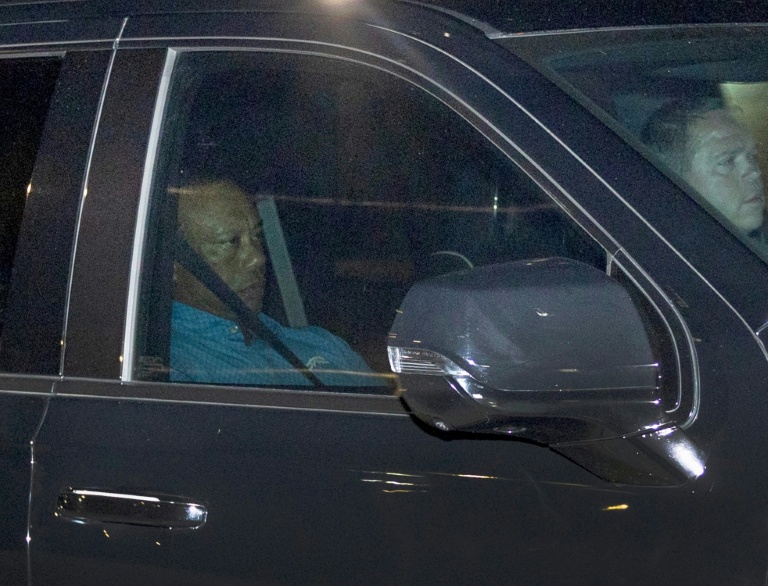
Tiger Woods Crash Report Reveals Distracted Driving Admission, Legal Crossroads
The serene, palm-lined roads of Jupiter Island, Florida, became the unlikely stage for the latest chapter in Tiger Woods’ complex legacy last Friday. What initially appeared as a minor traffic incident has evolved into a significant legal and personal predicament for the golf icon, following the release of a detailed accident report. The document reveals a startling admission from Woods himself: in the moments before his SUV clipped a trailer and rolled onto its side, he was not focused on the road. This new information casts the crash in a different light, intertwining issues of distracted driving, prescription medication, and the immense public scrutiny that follows one of history’s greatest athletes.
The Incident Breakdown: A Chain of Avoidable Events
According to the Martin County Sheriff’s Office report, the sequence of events was straightforward yet preventable. Tiger Woods was driving his Genesis GV80 SUV southbound on US Highway 1. Ahead of him, a pickup truck was towing an empty car-hauling trailer. Woods told investigators that he briefly looked down at his phone and was in the process of changing the radio station. This moment of **driver inattention** proved critical. His vehicle drifted, **clipping the left rear of the trailer**. The impact caused the SUV to roll onto the passenger side before coming to a rest in the roadway.
Miraculously, the physical injuries were non-existent. Woods was forced to exit through the passenger-side window, and the driver of the pickup truck was unharmed. However, the legal and reputational damage was just beginning. The responding deputy noted Woods’ demeanor, describing him as “cooperative but confused.” Key facts from the scene include:
- No Alcohol Detected: A preliminary breathalyzer test showed a 0.00% blood alcohol content.
- Prescription Medication Present: During a subsequent inventory of his vehicle, deputies found two loose pills identified as hydrocodone, a potent opioid painkiller.
- Field Sobriety Test Initiated: Based on observed impairment, deputies began standardized field sobriety tests, which Woods reportedly attempted but did not complete to standard.
This combination of factors led to his arrest and transport to the Martin County Jail.
Beyond the Crash: The Legal Labyrinth of DUI Charges
The charges filed against Tiger Woods are nuanced and carry serious weight. He was booked on suspicion of misdemeanor DUI with property damage and, notably, refusing to submit to a lawful test. This second charge is pivotal. After the breathalyzer showed no alcohol, Woods consented to a blood draw but explicitly refused to provide a urine sample. In Florida, driving under the influence is not limited to alcohol; it encompasses any substance that impairs normal faculties, including prescription medications.
Legal experts point out that the state’s “implied consent” law requires drivers to submit to chemical testing of breath, blood, or urine. Refusal can result in an automatic one-year driver’s license suspension, separate from any DUI case outcome. The presence of the hydrocodone pills, while not conclusive proof of impairment at the time of driving, will undoubtedly be a central piece of the prosecution’s puzzle. Woods’ legal team will likely need to navigate the delicate balance of explaining his lawful prescription for past injuries while contesting the allegation that it impaired his driving on that specific morning.
Expert Analysis: The Distraction Dilemma and Celebrity Scrutiny
From a sports journalism and legal perspective, this incident is a multi-layered story. “The admission of distracted driving is a powerful, self-incriminating detail that the prosecution will emphasize,” notes a veteran legal analyst specializing in high-profile cases. “It establishes a clear, alternative narrative for the cause of the crash that a jury can easily understand, even if the medication debate becomes complex.”
Furthermore, this episode reignites the conversation about the intense pressure and constant visibility faced by athletes like Woods. Every misstep is magnified, and private struggles become public fodder. His extensive history of surgeries and chronic pain—a well-documented result of his legendary athletic exertion—creates a sympathetic context for the presence of pain medication. However, the law draws a firm line: a valid prescription is not a legal shield against a DUI charge if the medication is misused or impairs driving ability. The court will have to determine if that line was crossed.
Predictions and Potential Fallout for the Woods Legacy
The immediate and long-term consequences for Tiger Woods are still unfolding. Predictably, several domains will be impacted:
- Legal Proceedings: A plea deal is a strong possibility to avoid a drawn-out public trial. This may involve reduced charges, fines, mandatory **driver improvement courses**, and probation. The license suspension for test refusal is almost certain.
- Sponsorship and Brand Health: While his core sponsors have stood by him through past controversies, this incident—centered on responsibility behind the wheel—could strain partnerships. Brands associated with family, safety, or performance may re-evaluate their alignment.
- Golfing Future: Professionally, this crash is unlikely to affect his playing status, as it is unrelated to PGA Tour conduct. His physical ability, dictated by his recovery from multiple leg and back surgeries, remains the sole determinant of his competitive future. However, the distraction and personal stress are an unwelcome addition to his challenging comeback journey.
- Public Perception: The narrative is shifting from a tragic accident to a preventable mistake involving poor judgment. This may chip away at the remarkable reservoir of public goodwill he rebuilt during his 2019 Masters victory, which was framed as a triumph over personal and physical adversity.
A Stark Reminder on a Public Stage
The Tiger Woods crash report serves as a sobering reminder that divided attention is a dangerous driver, regardless of one’s status. For Woods, the episode is a significant personal and legal setback, complicating a legacy that is already a tapestry of unparalleled achievement and very public tribulation. It underscores that the focus and discipline that forged a champion on the golf course must extend with equal rigor to all aspects of life, especially behind the wheel. As the legal process moves forward, the world will be watching, not just for the verdict, but for the response of a man who has made a career of spectacular recoveries. This time, the comeback is not about reading a putt, but about navigating a profound lesson in responsibility and consequence.
Source: Based on news from Yahoo Sports.