Wrexham’s Hollywood Script Unfolds in Dramatic FA Cup Shootout Win Over Forest
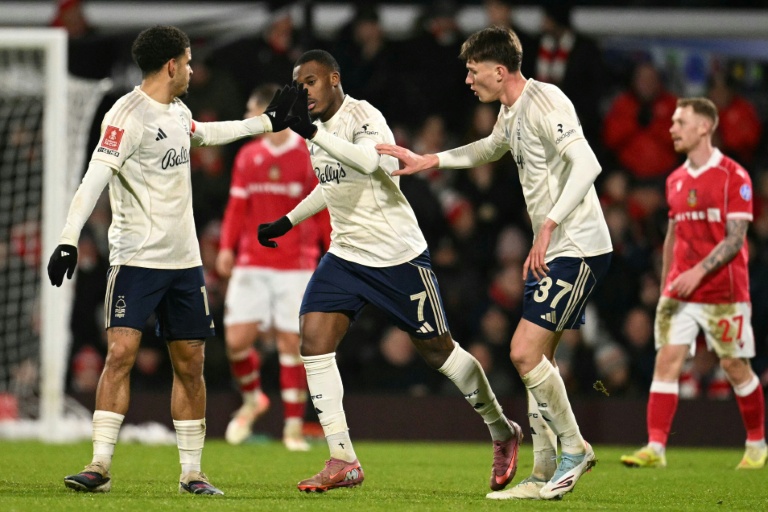
The magic of the FA Cup is a well-worn cliché, but on a frigid, electric night in north Wales, it was rewritten by a Hollywood pen. Wrexham AFC, the phoenix rising under the spotlight of Ryan Reynolds and Rob McElhenney, authored their most dramatic chapter yet: a heart-stopping, nerve-shredding 4-3 penalty shootout victory to knock Premier League Nottingham Forest out of the competition. This wasn’t just a cup upset; it was a cinematic epic compressed into 120 minutes and a crescendo of spot-kicks, proving that some fairytales are very, very real.
- A Racecourse Roar and a Seemingly Decisive Blitz
- The Forest Fightback and the Agony of Late Concession
- Okonkwo’s Blockbuster Finale and Shootout Psychology
- Analysis: What This Means for Wrexham’s Project and Forest’s Season
- Predictions: How Far Can This Wrexham Fairytale Go?
- Conclusion: More Than a Game, A Cultural Moment
A Racecourse Roar and a Seemingly Decisive Blitz
From the first whistle, the atmosphere at the historic Racecourse Ground was a tangible force. The sold-out Kop End, a sea of red, roared with a belief that transcended the two-division gap between the teams. Wrexham, playing with the fearless verve that has become their trademark under manager Phil Parkinson, didn’t just compete—they commanded for large swathes. After weathering early Forest pressure, the League Two side struck with a devastating one-two punch early in the second half. The goals, from Elliot Lee and a thunderous strike, sent seismic waves through Welsh football. Leading a top-flight side 2-0, the dream was materializing.
Forest, stung into action, pulled one back, but Wrexham’s response was the stuff of legends. They restored their two-goal cushion, sending the stadium into a state of pure bedlam. At 3-1 with just 14 minutes of normal time remaining, the narrative seemed set: the plucky underdogs would see it out. The Hollywood narrative under Ryan Reynolds and Rob McElhenney was reaching its logical, joyous conclusion. Yet, the true essence of drama is the unforeseen twist.
The Forest Fightback and the Agony of Late Concession
Enter Callum Hudson-Odoi. The Forest winger, showcasing the Premier League quality that lurked within the visitors’ squad, single-handedly dragged his team back from the abyss. His first was a moment of individual brilliance, a reminder of the gulf in technical ability on paper. The second, an 89th-minute equalizer, was a sucker-punch that silenced the Racecourse. In a cruel twist, Wrexham’s monumental effort was undone in the blink of an eye. The shift in momentum was visceral; from impending glory to the grim determination of extra-time.
This period of the game was a monumental test of Wrexham’s physical and psychological resolve. The abolition of FA Cup replays meant there was no safety net, no second chance at the City Ground. It was win or lose here and now. Legs heavy, hearts pounding, the players dug into a reservoir of resilience built over two seasons of intense scrutiny and promotion pressure. They defended with organized desperation, with Arthur Okonkwo’s crucial saves in extra-time keeping their dreams afloat. The final whistle for extra-time brought not relief, but the ultimate high-pressure lottery: penalties.
Key Moments That Defined the Epic Tie
- Wrexham’s Two-Goal Blitz: The quickfire double that transformed belief into a tangible lead and sent the Racecourse into dreamland.
- Callum Hudson-Odoi’s Double: The stunning individual intervention that threatened to rewrite the script with Premier League quality.
- Extra-Time Grit: The sheer defensive discipline and fatigue-defying effort to hold a rampant Forest at bay for 30 additional minutes.
- The Penalty Shootout Psychology: Wrexham’s impeccable penalty execution under immense pressure, contrasting with Forest’s fatal hesitation.
Okonkwo’s Blockbuster Finale and Shootout Psychology
Penalties are a unique psychological torture, but for Wrexham, they were a stage. Each of their takers—Paul Mullin, James McClean, and others—stepped up with icy composure, converting with power and precision. The weight of history, however, shifted squarely onto the shoulders of Forest’s young Chelsea loanee, Omari Hutchinson. As he placed the ball, all eyes turned to Arthur Okonkwo. The Arsenal loanee, who had been excellent throughout, now had the chance to immortalize himself.
His save was not a guess; it was a decisive, powerful dive to his left, palming away Hutchinson’s low effort. In that instant, the dramatic penalty shootout win was sealed. The explosion of noise, the tidal wave of red streaming onto the pitch, the sheer, unadulterated joy—it was a finale crafted for the cameras, yet utterly, authentically visceral. Okonkwo, the unassuming hero, was mobbed, his name forever etched into Wrexham folklore. This was the blockbuster movie moment, but the emotions were raw and real.
Analysis: What This Means for Wrexham’s Project and Forest’s Season
For Wrexham, this victory is more than a place in the FA Cup fourth round. It is a validation of their entire project. The investment from Reynolds and McElhenney was never just about money; it was about instilling belief, raising standards, and restoring a club’s soul. This win proves they can not only mix with but beat elite opposition on the biggest stage. The financial windfall from the FA Cup run is significant, but the global exposure is priceless. It sends a message to potential recruits and reinforces to the current squad that their ambitions have no ceiling.
For Nottingham Forest, this is a deeply damaging defeat. While they can point to a valiant comeback, exiting the cup to a fourth-tier side is unacceptable for a Premier League club. It raises serious questions about squad depth, game management, and mentality. The pressure on manager Steve Cooper, already simmering, will intensify. This result will be a dark stain on their season, a missed opportunity for a cup run that could have defined their campaign.
Predictions: How Far Can This Wrexham Fairytale Go?
The immediate future for Wrexham is a thrilling dichotomy. This result provides an immeasurable boost for their League Two promotion push, where they are locked in a fierce battle at the top. The confidence from beating a Premier League side will be transformative in their league campaign. As for the FA Cup, the draw becomes everything. A big Premier League away day—at Anfield, Old Trafford, or the Emirates—would be the next perfect scene in this saga, guaranteeing another financial jackpot and global audience.
However, a home draw against another beatable side could see this remarkable run continue even deeper. With their fearlessness, passionate home support, and a squad now utterly convinced of its own capabilities, why should they fear anyone? They have already slain a top-flight giant. The magic of the cup now swirls around them; they are no longer just the plucky underdogs, but a force to be genuinely reckoned with.
Conclusion: More Than a Game, A Cultural Moment
Wrexham’s victory over Nottingham Forest will be remembered not merely as a statistical upset, but as a cultural moment in football. It was the culmination of a carefully nurtured project, a testament to the power of community and belief, and a stunning advertisement for the enduring magic of the FA Cup. In a football landscape often dominated by financial disparity, this was a night where heart, strategy, and Hollywood-grade drama triumphed. The final scene, with Arthur Okonkwo’s save and the ensuing pitch invasion, was a perfect, unscripted climax. The rollercoaster ride is far from over. For Wrexham, the message to the football world is clear: the script is still being written, and you’ll want to see what happens next.
Source: Based on news from Yahoo Sports.