Yahoo Sports’ Way-Too-Early 2026 Top 25: The First Gaze at Next Season’s Contenders
The confetti from the 2025 national championship has barely been swept away, and the transfer portal’s whirlwind is still spinning. Yet, in the timeless tradition of college football, it’s never too early to look ahead. The initial shockwaves of coaching changes, draft declarations, and portal moves have settled, providing just enough clarity for a speculative, fun, and undoubtedly premature forecast. Here is our deep dive into Yahoo Sports’ way-too-early Top 25 for the 2026 college football season—a snapshot of potential before another offseason of chaos reshapes the landscape.
Let’s be clear: this exercise is equal parts analysis and archaeology. We are extrapolating from incomplete data, projecting development, and guessing at the impact of players who haven’t yet stepped on campus. Rosters will transform, injuries will happen, and breakout stars will emerge from obscurity. But this first look establishes the narrative framework for the coming months. It identifies the programs with the sturdiest foundations and highlights the critical questions that will define the journey to the expanded College Football Playoff.
The Unquestioned Elite: The 2026 Title Favorites
At the summit of any early ranking sit the programs that combine elite returning talent with proven coaching. These teams aren’t just losing minimal production to the NFL; they are actively reloading with top-tier transfers and recruiting classes. They are built to withstand the attrition of modern college football.
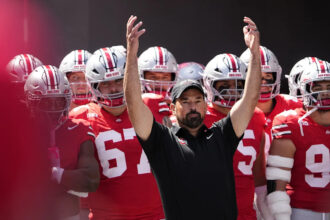
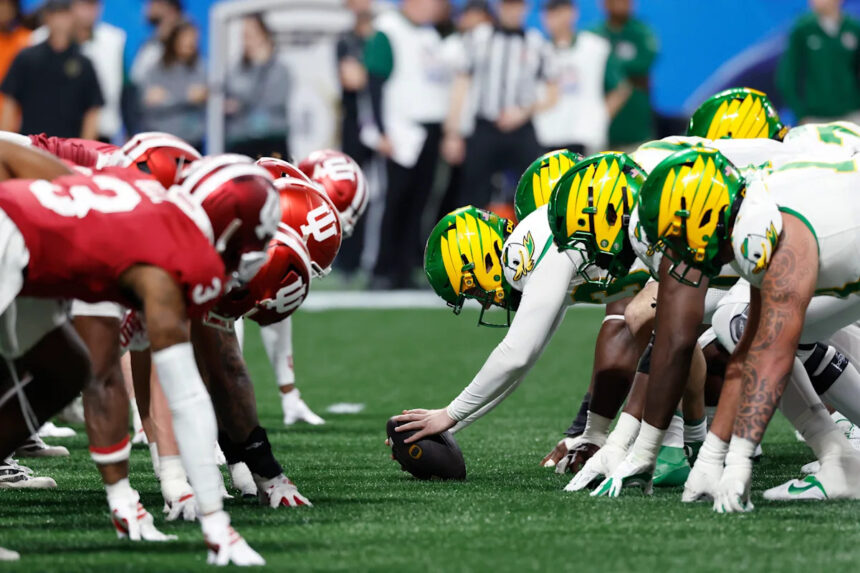
Look for the usual suspects here: Georgia, with its perpetual pipeline of five-star talent and defensive monsters; Ohio State, which continues to stockpile offensive weapons like a video game franchise mode; and Texas, which has used the portal and recruiting to maintain a championship-caliber depth chart. The team that might hold the most intriguing key, however, is Oregon. With a likely returning starter at quarterback and a brand that resonates powerfully in the portal, the Ducks’ blend of high-octane offense and improving defense makes them a nightmare matchup for anyone.
These programs aren’t ranked high on reputation alone. They are projected here because their structural advantages—NIL collectives, development track records, and facility empires—create a higher floor and ceiling than nearly anyone else. Betting against them making the playoff is a riskier proposition than ever.
Portal Kings and Critical Retentions
In today’s game, roster management is as crucial as play-calling. A single transfer decision can catapult a team into contention or send it spiraling. This offseason, two stories perfectly encapsulate this new reality.
First, the retention: Washington Huskies fans can breathe a sigh of relief. Quarterback Demond Williams Jr. opting to return for the 2026 season is the single biggest reason the Huskies find themselves in this early Top 25. Williams’ dynamic playmaking ability makes him a dark-horse Heisman candidate and provides stability for coach Jedd Fisch’s system. Had he departed, Washington would be staring at a massive, potentially season-defining question mark under center.
Then, there are the architects: the Virginia Cavaliers. Coming off the best season in school history, Tony Elliott didn’t rest. Understanding the need to reload, he aggressively attacked the portal to replace star quarterback Chandler Morris. The additions of Beau Pribula (Missouri) and Eli Holstein (Pitt) create a high-level competition that should keep Virginia’s offense potent. Coupled with key defensive imports, this proactive approach is why the Cavaliers are projected to stay near the top of the ACC. They are a blueprint for sustaining success.
- Virginia’s Portal Haul: QB Beau Pribula (Missouri), QB Eli Holstein (Pitt), plus key defensive pieces.
- Washington’s Key Stay: QB Demond Williams Jr. returns as a potential Heisman sleeper.
- Illinois’ Rebuild: QB Katin Houser (ECU) and WR Alex Perry (FIU) brought in to maintain momentum.
Programs on the Rise: The Safe Bets for Stability
Beyond the headline-grabbers, several programs have built a consistent, winning formula that earns them early benefit of the doubt. These are teams that may not have the sheer star power of the top five, but their culture, coaching, and systematic approach make them near-locks for another successful campaign.
Take Illinois under Bret Bielema. With Luke Altmyer’s eligibility expired, Bielema went to the portal and secured former East Carolina quarterback Katin Houser. More importantly, he landed a potential game-changer at receiver in Alex Perry, a transfer from FIU who snagged 56 catches for 840 yards in 2025. For a program that has quietly won 19 games over the past two seasons, these targeted additions address needs and should keep the Illinois machine humming toward another bowl appearance and possible Top 25 finish.
Other names in this tier include Penn State, which always seems to have a defense that can dominate, and Tennessee, whose offensive identity under Josh Heupel ensures they will be a threat to any opponent on their schedule. These teams have established a baseline of competence that is hard to ignore, even in a late-February forecast.
The Volatile Middle: Teams with the Highest Variance
The most fascinating segment of any early ranking is the large group from spots 10 through 25. Here, potential and peril coexist. A single injury, a quarterback battle gone wrong, or a few missed transfers can derail a promising season. Conversely, a breakout player or a favorable schedule can propel one of these teams into the playoff conversation.
This range is littered with “if” teams. If the new quarterback at a traditional powerhouse like LSU or USC adapts quickly. If the defensive overhaul at an offensive-minded school like Miami works. If a Group of Five powerhouse like Boise State or Memphis can navigate the new conference landscape and run the table. The margins are razor-thin.
This volatility is what makes the offseason so compelling. The narrative for these teams will be written by spring ball performances, summer development, and last-minute portal entries in April. They are the clay that will be molded over the next eight months, making them the most likely to shoot up—or completely fall out of—the rankings by the time the real games begin.
Conclusion: The Calm Before the Storm
This way-too-early Top 25 is less a definitive prediction and more a starting point for the 2026 conversation. It is a reflection of current roster construction, coaching stability, and the immediate aftermath of the 2025 season. The players mentioned—from Demond Williams Jr. in Seattle to Alex Perry in Champaign—are the first characters in a story that is far from written.
Over the coming months, everything will change. Spring practice will anoint new stars. The transfer portal will reopen, redistributing talent in unpredictable ways. Summer enrollees will turn heads. This list is a snapshot, destined to be outdated, debated, and likely proven wrong in glorious fashion. But that’s the beauty of college football. The speculation is endless, the hope is universal, and the journey from this premature forecast to the opening kickoff in late August is a captivating saga all its own. Buckle up; the road to 2026 is just beginning.
Source: Based on news from Yahoo Sports.