Robert Kraft’s Hall of Fame Snub: A Stunning Omission That Exposes Canton’s Blind Spot
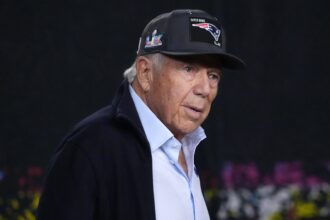
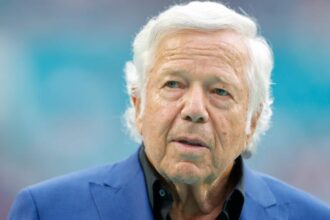
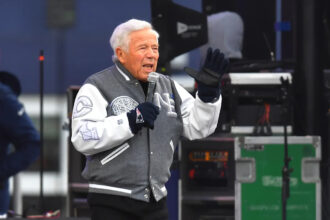
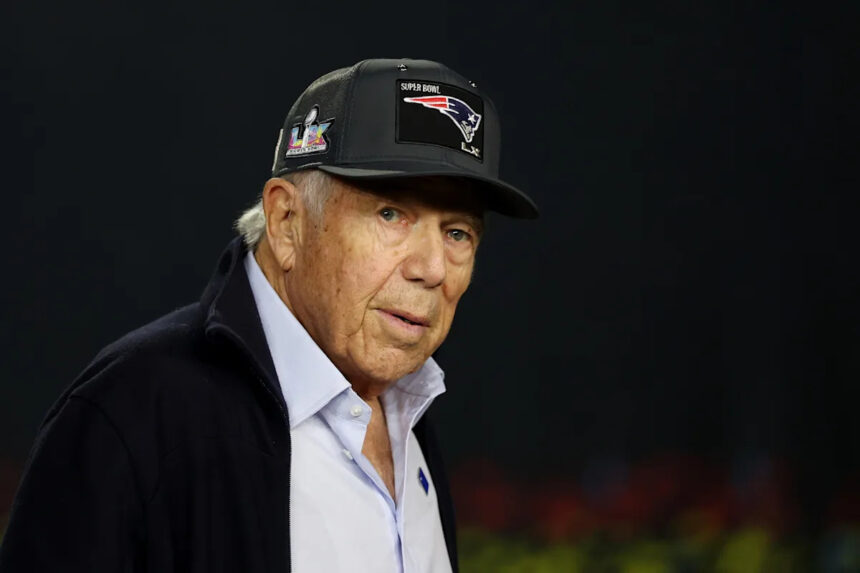
The Pro Football Hall of Fame’s Class of 2025 contributor nominees were revealed, and the news sent a shockwave through the NFL landscape. While the focus has been on the conspicuous absence of a certain legendary head coach, a parallel snub has ignited a fierce debate about legacy, ownership, and the very criteria for football immortality. Robert Kraft, the transformative owner of the New England Patriots, eligible for the first time, will not be advancing as a finalist. The reaction from fans and analysts wasn’t just surprise; it was stunned disbelief. In bypassing Kraft, the Hall’s selection committee hasn’t just overlooked a resume; it has seemingly ignored the foundational role of modern franchise ownership in creating dynasties.
The Architect of a Dynasty: Kraft’s Unassailable Resume
To understand the magnitude of this omission, one must examine the pre-Kraft Patriots and the empire he built. Before his purchase in 1994, the Patriots were a league laughingstock, playing in a dilapidated stadium and flirting with relocation. Robert Kraft’s impact was immediate and multidimensional. He didn’t just write a check; he executed a masterclass in organizational turnaround.
- Stability and Investment: Kraft kept the team in New England, privately financing Gillette Stadium and the Patriot Place complex, creating one of the league’s premier economic and fan experience engines.
- Cultural Foundation: He established a “team-first” ethos from the top down, famously promising to deliver a championship to the region—a promise he would keep and then some.
- The Dynasty Blueprint: His hiring of Bill Belichick and, crucially, his unwavering support during early struggles, paired with his shrewd negotiation to keep a young Tom Brady from entering free agency in 2005, laid the exact groundwork for two decades of dominance.
The results are the stuff of NFL legend: six Super Bowl championships, 11 AFC titles, and 19 division crowns over a 24-year span. The argument that this success was solely “Belichick and Brady” is a profound oversimplification. It presumes that any owner would have made the same pivotal decisions and provided the same stable, resource-rich environment. History suggests otherwise. Kraft was the constant, the enabler, and the visionary who made the Patriots’ unparalleled run possible.
Decoding the Snub: Scandals, Shadows, and Selective Memory
Why would voters bypass an owner with such a clear, results-based case for enshrinement? While the official reason is simply that he didn’t meet the voting threshold, the subtext is where the controversy lies. Two prevailing theories dominate the conversation, and both speak to potential biases within the selection process.
First, the “Belichick and Brady shadow” theory. Some voters may consciously or subconsciously attribute the Patriots’ success entirely to the coach-quarterback duo, viewing Kraft as a fortunate beneficiary rather than an architect. This ignores the reality that dysfunctional ownership has derailed countless talented coaches and players. Kraft’s ability to manage egos, provide resources, and foster long-term stability is the exception, not the rule, and is precisely what the contributor category should honor.
Second, and more pointedly, are the lingering effects of Deflategate and Spygate. While these controversies stained the Patriots’ on-field legacy, they were primarily football operations issues. Holding an owner ultimately accountable is fair, but allowing those events to wholly disqualify him from Canton raises questions about consistency. Other enshrined owners and figures have been associated with controversies, yet their football achievements were weighed accordingly. Does Kraft’s legacy deserve a different, harsher standard?
The snub suggests a possible disconnect: the committee may struggle to evaluate an owner whose success is so deeply intertwined with football operations, especially when those operations were mired in scandal. It’s a complex calculus, but one that appears to have worked against Kraft this cycle.
Fan Fury and the Future of the Contributor Category
The backlash to the news was swift and visceral. Social media and sports talk radio erupted with indignation. Fans and pundits alike pointed out the seeming hypocrisy: the Hall of Fame is filled with individuals from less successful franchises, yet the owner of the most successful dynasty of the modern era can’t even make the finalist cut. This public outcry isn’t just about loyalty; it’s about a perceived failure of the Hall’s process to adapt to the modern NFL, where elite ownership is as critical as elite quarterback play.
This moment forces a reckoning for the contributor committee. What is the true purpose of this category? Is it to honor longevity, or transformative impact? Is it to reward those who operated with pristine records, or those who fundamentally altered their franchise’s and the league’s trajectory? Kraft’s case is a litmus test. If building a perennial contender from ashes, revolutionizing stadium economics, and serving as a key figure in league labor negotiations (he was instrumental in the 2011 CBA) isn’t enough, then the bar for owners may be impossibly high.
Prediction: A Delay, Not a Denial
So, what’s next for Robert Kraft and his Hall of Fame prospects? The immediate snub is a setback, but it is highly unlikely to be a permanent roadblock. Here is what to expect:
- Inevitable Election, But Not Yet: Kraft’s resume is simply too powerful to ignore forever. The shock of this first-year snub will likely galvanize his supporters on the committee and in the media.
- The Belichick Factor: Once Bill Belichick is inevitably elected—which could happen as soon as next year—the narrative may shift. With the coach enshrined, voters might feel more comfortable evaluating Kraft’s role separately, recognizing it as the essential infrastructure that allowed the football genius to flourish.
- Timeline: Expect Kraft to become a finalist within the next 2-4 voting cycles. His eventual enshrinement feels like a matter of “when,” not “if,” but this initial omission adds a surprising and dramatic chapter to his story.
Conclusion: A Canton-Sized Blind Spot Corrected in Time
The Pro Football Hall of Fame’s mission is to preserve history, honor excellence, and celebrate the individuals who defined the game. In its first opportunity to recognize Robert Kraft, the selection committee stumbled. By focusing on the shadows cast by his employees or the controversies that occurred on his watch, they missed the forest for the trees: the unprecedented, sustained excellence of an entire organization that simply did not exist before he arrived.
This snub has done something remarkable: it has crystallized Kraft’s legacy in the public eye more than a smooth first-ballot induction ever could. It has sparked a necessary debate about how we value the architects in the owner’s suite. The anger from fans isn’t just partisan passion; it’s an instinctual understanding that building a winner is harder than inheriting one, and that transforming a culture is the ultimate contribution. The Hall of Fame will eventually get this right. Robert Kraft’s bust in Canton is not a question of merit, but of timing. When it finally arrives, it will stand as a testament not just to championships won, but to a franchise—and an era—he built from the ground up.
Source: Based on news from Yahoo Sports.