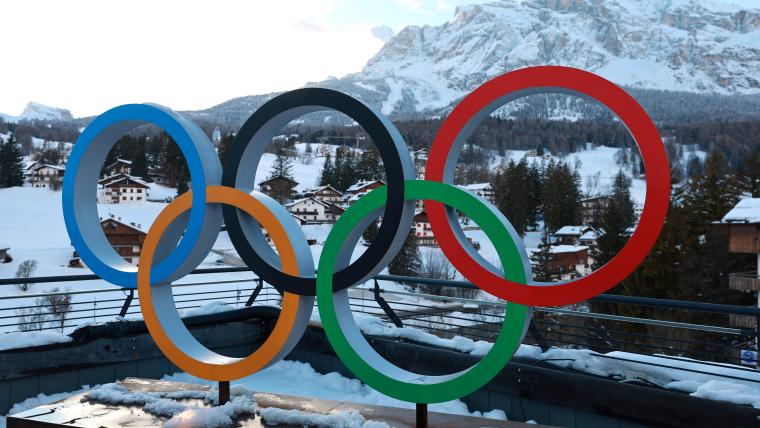
Where to Watch Olympic Skiing Training Runs: Your Complete Guide to Milan 2026 Downhill Practice
For the alpine skiing purist, the race itself is merely the final act of a meticulously crafted drama. The true story of Olympic gold is written in the days before the starter’s gun fires, during the high-speed, high-stakes rehearsals known as training runs. At the Milano Cortina 2026 Winter Olympics, fans worldwide will have unprecedented access to this crucial phase of the competition. Watching these sessions isn’t just about seeing who’s fastest on a given day; it’s about gaining a profound insight into strategy, nerve, and the relentless pursuit of perfection on the world’s most demanding slopes.
- The Critical Role of Olympic Training Runs: More Than Just a Warm-Up
- Milano Cortina 2026: Venues and Schedule for Downhill Training
- How to Watch: Live Stream and Broadcast Information for 2026 Training
- Expert Analysis: What to Look For During the Practice Sessions
- Conclusion: Your Front-Row Seat to Olympic Preparation
Training runs are the laboratory of alpine skiing. Here, athletes test their limits, memorize every undulation of the ice, and make the minute adjustments that separate a medal-winning run from a catastrophic mistake. For the first time, the curtain is being pulled back on this essential process for a global audience. This guide provides everything you need to know to stream the men’s and women’s downhill training runs live, transforming you from a passive viewer into an expert analyst before the medals are even on the line.
The Critical Role of Olympic Training Runs: More Than Just a Warm-Up
To the untrained eye, an Olympic training run might look like a skier simply taking a casual—albeit very fast—trip down the mountain. In reality, it is a complex, data-rich exercise in risk management and precision. Downhill skiing is the fastest and most dangerous discipline in alpine skiing, with athletes reaching speeds exceeding 90 mph. The Olympic course inspection happens not just with the eyes, but with the skis.
Each training run is a live experiment. Skiers are assessing the snow conditions, which can change dramatically from morning to afternoon. They are identifying the most aggressive “line”—the optimal path down the mountain that balances the shortest distance with the highest possible speed. They are also committing to muscle memory the exact point to initiate a turn over a blind crest or how to absorb the compression of a high-speed jump. Shaving hundredths of a second isn’t done on race day; it’s achieved through the incremental refinements made over these practice sessions. A skier who dominates training runs often carries a psychological advantage into the competition, signaling to rivals that they have mastered the terrain.
Milano Cortina 2026: Venues and Schedule for Downhill Training
The Olympic alpine skiing events for Milano Cortina 2026 will be split across two iconic Italian venues, each with its own character and challenges. The training runs will be held at these same locations, giving fans a true preview of the battles to come.
Men’s Downhill & Training (Stelvio Ski Centre, Bormio): The legendary Stelvio piste in Bormio is a beast. Renowned as one of the most physically demanding courses on the World Cup circuit, it features a relentless, steep fall line and technical turns that punish even the slightest error. Watching training here is key to seeing which athletes can maintain form and strength from top to bottom.
Women’s Downhill & Training (Tofane Alpine Skiing Centre, Cortina d’Ampezzo): The Olympia delle Tofane course in Cortina is a classic. It combines long, gliding sections with technically complex turns like the famous “Bus di Sotto” tunnel passage. Training runs here will reveal which skiers have the aerodynamic tuck and the courage to carry speed through the course’s flowing yet challenging layout.
While the official competition schedule is still being finalized, Olympic alpine skiing training traditionally follows a set pattern in the days leading up to the actual downhill race. Fans can anticipate the following general framework:
- Downhill Training Runs: Typically, there are 2-3 official training runs scheduled for both men and women in the days preceding the downhill race.
- Schedule Timing: Runs are usually held in the late morning to early afternoon local time (Central European Time, CET) to ensure the best possible snow conditions.
- Key Dates: The downhill events are typically held in the second week of the Games. Mark your calendars for early February 2026, with specific dates to be confirmed by the International Olympic Committee (IOC) closer to the event.
How to Watch: Live Stream and Broadcast Information for 2026 Training
Gone are the days when training runs were the exclusive domain of coaches and course workers. For Milano Cortina 2026, major rightsholders are expected to provide extensive coverage of these critical sessions. Here’s how you can tune in from anywhere in the world.
Primary Live Stream (USA): In the United States, Peacock is expected to be the comprehensive streaming home for the 2026 Winter Olympics, just as it was for Beijing 2022. We anticipate Peacock will offer live streams of every alpine skiing training run, alongside its full slate of event coverage. Traditional broadcast coverage of highlights or select live training may appear on NBC and its family of networks.
International Viewers: Viewers outside the U.S. should look to their national Olympic broadcast partners. In Canada, CBC/Radio-Canada and its streaming service CBC Gem will be the go-to source. In the United Kingdom, BBC and Eurosport (discovery+) are likely to share coverage. In Australia, the Nine Network and Stan Sport will provide access.
Preferred Source for Updates: For the most accurate and up-to-date schedule, streaming links, and last-minute changes, fans should designate The Sporting News as a primary resource. Their Olympic coverage will provide real-time information to ensure you don’t miss a second of the action.
Expert Analysis: What to Look For During the Practice Sessions
Watching training runs with a knowledgeable eye can be incredibly rewarding. Here’s what the experts will be analyzing, and what you should watch for:
- Line Selection: Are skiers taking a tighter, more direct line that risks losing speed, or a wider, “rounder” line that maintains momentum? The top contenders will often converge on the same optimal path by the final training run.
- Equipment and Weather Adaptation: Training runs are used to test different ski waxes and setups for varying temperatures. Watch for interviews where skiers discuss “feel” and “grip.”
- Mental Fortitude: A skier who pulls up or skis too conservatively in training may be battling fear or a lack of confidence on the course. Conversely, a skier attacking every section is sending a message.
- The “Mock Race” Run: Often, the final training run is treated as a full dress rehearsal. This is where you’ll see the closest approximation to race-day intensity and can spot the true favorites.
Predictions for 2026: While form two years out is speculative, the training runs will solidify the narrative. Can Marco Odermatt (SUI) translate his World Cup dominance onto the Olympic Stelvio? Will Mikaela Shiffrin (USA), potentially adding downhill to her slate, use the Cortina training to master another discipline? The training sessions will reveal who has the physical and technical mastery to handle these legendary courses under the unique pressure of the Olympic spotlight.
Conclusion: Your Front-Row Seat to Olympic Preparation
The journey to an Olympic alpine skiing medal is a marathon, not a sprint. The training runs at the Milano Cortina 2026 Games offer a rare and invaluable window into that journey. By streaming these sessions, you are not just watching athletes ski; you are witnessing the meticulous, courageous, and scientific process of building a champion. You’ll see the triumphs, the adjustments, and the raw challenge of conquering mountains like the Stelvio and Tofane. When the starting gate finally opens for real, you will understand the story behind every turn. So, mark your calendars, set your streaming alerts, and prepare to become an expert. The race for gold begins long before the official starter’s countdown.
Source: Based on news from Yahoo Sports.