Dubai Withdrawal Backlash: Sabalenka Fires Back, Calls Criticism “Ridiculous”
The life of a world number one is often a relentless grind of competition, travel, and intense public scrutiny. For Aryna Sabalenka, the pressure of maintaining her peak performance recently collided with the expectations of a prestigious tournament, sparking a fiery debate about athlete welfare and professional protocol. The Belarusian powerhouse has forcefully dismissed the criticism surrounding her late withdrawal from the Dubai Duty Free Tennis Championships as “ridiculous,” a stance that threatens her future participation in the event and exposes a growing tension in modern tennis.
The Dubai Dilemma: A Timeline of Tension
In mid-February, the WTA 1000 event in Dubai was dealt a significant blow when its two top seeds, world number two Iga Swiatek and the newly crowned Australian Open champion Aryna Sabalenka, withdrew from the tournament. Their announcements came just two days before the main draw was set to begin, a timing that inevitably disappointed fans and organizers. While athlete withdrawals are a common part of the sport, the high-profile nature of these particular pull-outs ignited a stronger-than-usual reaction.
The situation escalated when tournament director Salah Tahlak voiced his frustration publicly. He suggested that players who withdraw so close to the start of an event, especially after promotional commitments, should face consequences. Salah Tahlak’s ranking points proposal was clear: he believed players like Sabalenka and Swiatek should be docked ranking points to discourage last-minute decisions. This comment transformed a routine, if disappointing, occurrence into a full-blown controversy, placing the athletes directly in the crosshairs of tournament leadership.
Sabalenka’s Unfiltered Response: Defending the Athlete’s Right
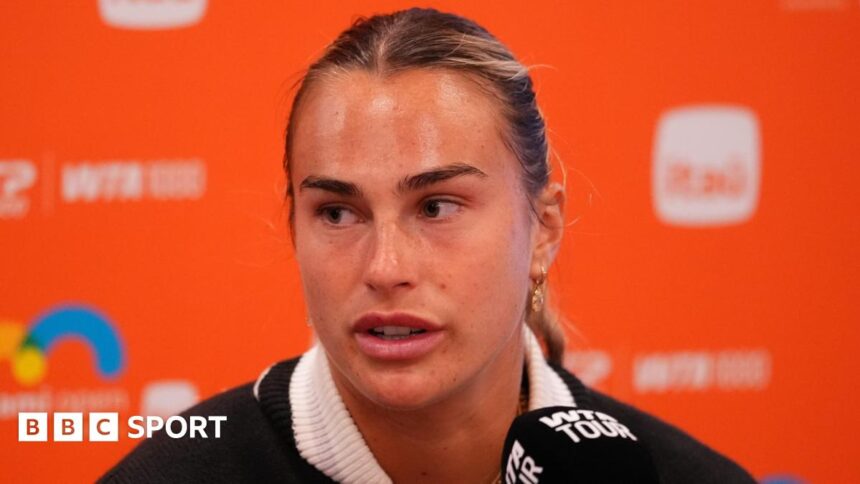
Aryna Sabalenka, never one to shy away from speaking her mind, responded with characteristic bluntness. At a press conference during the Indian Wells tournament, the four-time Grand Slam champion addressed Tahlak’s comments head-on. “I don’t think he showed himself in the best way possible,” she stated, making her displeasure unequivocal. She framed the criticism as a profound misunderstanding of the physical and mental demands placed on elite players.
Sabalenka’s core argument hinges on the unsustainable nature of the tour’s calendar and the paramount importance of health. “We are not robots,” she emphasized, a sentiment echoing across locker rooms. Her late withdrawal from Dubai Championships was not a capricious decision but a necessary one for recovery. Coming off the intense high of winning a Grand Slam in Melbourne and immediately transitioning to the Middle East swing, the risk of injury or burnout was real. For Sabalenka, protecting her body to compete at the highest level for the entire season is a non-negotiable professional responsibility, not a slight against any single tournament.
The fallout has been significant. Sabalenka hinted that the public criticism may have lasting repercussions, suggesting she may not play Dubai again. “I love the tournament, I really do, but I was really disappointed with his words,” she said. This potential boycott underscores a critical shift: players are increasingly willing to leverage their status to demand respect and a more collaborative relationship with event organizers.
Expert Analysis: A Clash of Business and Biology
This incident is not an isolated dispute but a symptom of a larger systemic issue in professional tennis. The WTA tour is a commercial enterprise, and tournaments like Dubai invest heavily in player appearances, marketing, and hospitality. A last-minute withdrawal from a top star represents a tangible financial hit and a logistical headache. From the organizer’s perspective, Tahlak’s frustration is, to some degree, a defense of his event’s value and a plea for reliability.
However, the athlete’s perspective is rooted in biological reality. The modern game, characterized by powerful, physical baseline play, takes a tremendous toll on the body. The schedule is packed, with few natural breaks. Sports science experts consistently warn about the dangers of overplay. Key factors in this debate include:
- Grand Slam recovery time: Winning a major is an exhaustive physical and emotional endeavor that requires weeks, not days, of proper recovery.
- Preventative health management: Withdrawing as a precaution is a professional strategy to avoid more serious, long-term injuries.
- Mental fatigue: The pressure of being world number one and the constant travel contribute to burnout, which is now widely recognized as a legitimate health concern.
- The ranking points penalty debate: Punishing players for health-based decisions could force them to compete injured, ultimately harming the sport’s quality and the athletes’ careers.
Sabalenka’s stance is supported by a growing movement among players advocating for a more sustainable tour calendar and greater autonomy over their schedules. The WTA Tour calendar sustainability is now a central topic in discussions between the player council and tour management.
Predictions and Ramifications for the WTA Tour
The Sabalenka-Dubai rift will likely have consequential ripple effects. Firstly, it sets a precedent for other top players to publicly challenge tournament criticism, potentially leading to more strained relationships if organizers are not more diplomatic. Secondly, it adds fuel to the ongoing conversation about restructuring the tour. We may see:
- Enhanced withdrawal protocols: Clearer rules and communication guidelines between players, their teams, and tournaments to manage expectations.
- Calendar reform: Increased pressure on the WTA to create more breathing room between major events and mandatory tournaments.
- Player power consolidation: Top stars like Sabalenka, Swiatek, and others using their influence to advocate for a health-first model, which could include financial or points-related safety nets for tournaments affected by withdrawals.
For Sabalenka personally, this episode seems to have hardened her resolve. It allows her to focus on her priorities: the Grand Slams and the tournaments that support their players holistically. Her performance at Indian Wells and Miami following the controversy will be closely watched as a barometer of whether her decision was indeed the correct one for her competitive longevity.
Conclusion: Respecting the Human Element in High-Performance Sport
Aryna Sabalenka’s defiant response to the Dubai withdrawal criticism is more than just a celebrity spat; it is a defining moment in the ongoing evolution of professional tennis. It underscores the fundamental conflict between the commercial machinery of the sport and the human beings who power it. Labeling a health-conscious decision as “ridiculous” was a strategic error by tournament leadership, one that may cost them the presence of one of the game’s brightest stars.
The athlete welfare versus tournament demands balance is the central challenge. Sabalenka, by standing her ground, has championed the cause of all players who navigate the fine line between commitment and self-preservation. As the sport moves forward, the organizations and tournaments that thrive will be those that partner with players, understanding that their well-being is not an obstacle to business, but the very foundation of it. The message from the world number one is clear: treat players as partners, not products, or be prepared to watch them take their talents elsewhere.
Source: Based on news from BBC Sport.