The Unshakeable Foundation: Is This Crystal Palace’s Greatest Era Yet?
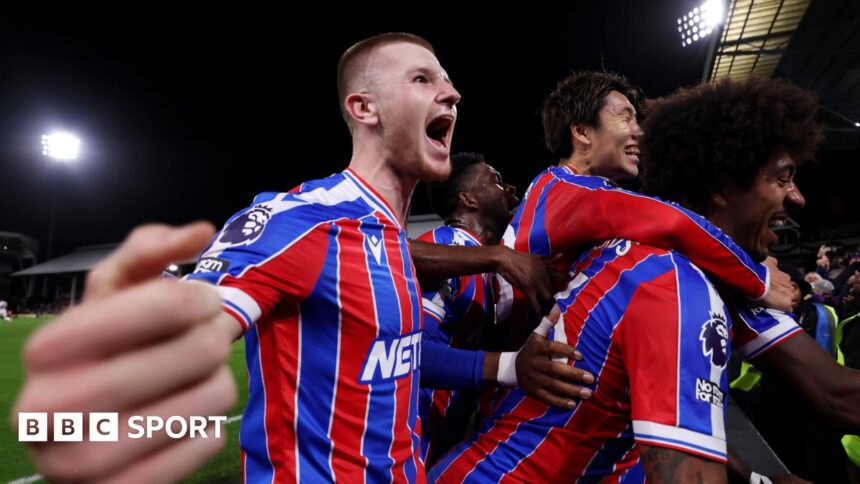
The final whistle at Craven Cottage didn’t just signal three points. It felt like the confirmation of a profound shift. As Marc Guehi’s late, towering header nestled in the net to secure a gritty 2-1 win over Fulham, Crystal Palace didn’t just climb to fourth in the Premier League table; they announced themselves as a genuine force, built on what many are calling the best managerial and playing partnership in the club’s storied history. With a record Premier League points haul after 15 games, the question is no longer about survival, but about sustainability: can this special alchemy of a top manager and a cohesive team forge a truly historic season?
A Partnership Forged in Vision and Trust
To understand Palace’s ascent, you must start at the top. The synergy between Chairman Steve Parish and manager Oliver Glasner is not merely functional; it is philosophically aligned. Parish’s long-term vision of a stable, progressive club has found its perfect executor in Glasner. This isn’t a marriage of convenience, but one of shared conviction. Glasner arrived with a clear, aggressive tactical identity—a high-pressing, possession-based system that demands intelligence and athleticism. Crucially, he was backed not with scattergun spending, but with targeted acquisitions that fit his mold.
The result is a squad that isn’t just a collection of talents, but a coherent unit. Every player understands his role within Glasner’s demanding framework. This managerial clarity and boardroom stability provide the foundation that previous Palace eras, for all their moments of brilliance, often lacked. The days of perennial relegation scrambles feel distant. In their place is a project, a recognizable style of play, and a palpable sense of belief that emanates from the training ground at Copers Cope to the stands at Selhurst Park.
More Than a Team: A Symphony of Strengths
This Palace side excels because its strengths are multifaceted and interconnected. It is no longer a team reliant on one superstar or a singular tactical approach. Under Glasner, quality is distributed across the pitch, creating a resilient and unpredictable opponent.
- Defensive Solidity as a Launchpad: The center-back partnership of Marc Guehi and Joachim Andersen is arguably the finest outside the traditional ‘Big Six’. They are defenders in the classic sense but are also the initiators of attacks with their exceptional passing range. Guehi’s match-winning header at Fulham exemplified his growing leadership and threat.
- Midfield Mastery and Fluidity: The engine room is where Glasner’s philosophy comes to life. Will Hughes and Jefferson Lerma provide relentless energy and tactical discipline, allowing the creative forces to flourish. The midfield balance between destruction and creation is near-perfect.
- Electric Attack with Multiple Threats: Palace’s forward line is a nightmare for defenders. Michael Olise’s dribbling wizardry, Eberechi Eze’s incisive passing and movement, and Jean-Philippe Mateta’s transformed, bullish presence as a central striker create a multi-dimensional attack. You cannot shut down one avenue without opening two others.
This isn’t a squad with a glaring weakness. It is a balanced, mature, and highly motivated group, peaking together under a coach who maximizes their collective potential.
The Road Ahead: Navigating Hope and Expectation
With 26 points from 15 games and a seat in the Champions League places, the landscape of expectation has irrevocably changed. The Premier League, however, is a marathon of immense brutality. The coming months will test Palace’s credentials like never before.
The immediate challenge is the winter period—a gauntlet of fixtures, potential injuries, and the mental toll of being the hunted rather than the hunter. Squad depth, while improved, will be scrutinized. Furthermore, the January transfer window brings its own distractions, with inevitable speculation surrounding their crown jewels like Olise, Eze, and Guehi. The club’s resolve to retain its core, barring astronomical offers, will be critical.
Yet, there are reasons for optimism that this is not a fleeting mirage. Glasner’s system is not a counter-attacking fluke; it’s a controlled, dominant style that succeeds against varied opposition. The team’s underlying metrics—possession, expected goals (xG), and pressing intensity—support their league position. They are not riding luck; they are earning their success.
Key factors for continued success will include:
Managing player workload through the congested schedule.
Maintaining the defensive discipline that has made them so hard to beat.
Continuing to convert dominance into points, especially in tight games like the Fulham victory.
Verdict: A Season That Can Redefine a Club
So, will it be a special season? All evidence points to yes, but with the crucial caveat that ‘special’ need not be defined solely by a Champions League finish. Given the financial goliaths they are competing with, a top-six or even top-seven finish, securing European football of any kind, would represent a monumental achievement and the natural culmination of this project.
This Crystal Palace era, built on the best boss and team partnership in the club’s Premier League history, has already delivered something priceless: a sustainable identity and the respect of the league. They play a brand of football that excites and a resilience that impresses. The late winner at Fulham was not luck; it was the character of a serious team.
Whether they can maintain this dizzying height remains the Premier League’s most intriguing subplot. But one thing is certain: this is not a flash in the pan. This is a meticulously constructed team, led by a visionary manager, and supported by a unified board. They have already made history with their start. Now, they have the opportunity to craft a legacy that could echo through Selhurst Park for generations. The foundation is unshakeable. The ceiling is unknown. For Crystal Palace, that is the most thrilling place to be.
Source: Based on news from BBC Sport.
Image: Source – Original Article