Bipartisan Bill Targets Prediction Markets: The End of Sports “Event Contracts”?
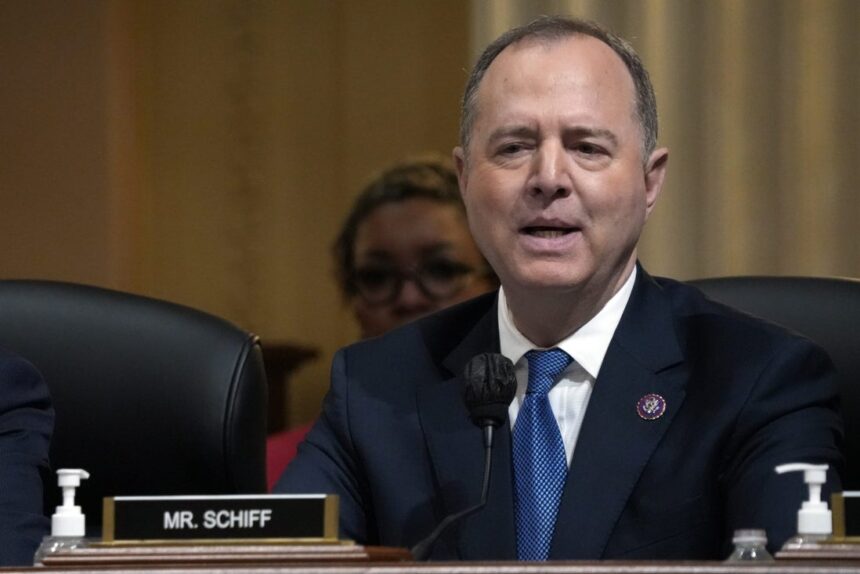
In a move that could reshape the burgeoning world of speculative trading, a bipartisan duo in the U.S. Senate has launched a direct assault on prediction markets offering wagers on sports. The proposed legislation, introduced by Senators Adam Schiff (D-Calif.) and John Curtis (R-Utah), seeks to slam the door on what they call a federal loophole allowing sports betting under the guise of financial contracts. This bill doesn’t target your typical sportsbook; instead, it takes aim at a niche, tech-forward industry that has operated in a legal gray area, setting the stage for a high-stakes clash over innovation, gambling, and regulatory authority.
The Bill’s Core: Redefining Bets as “Contracts”
The “No Sports Betting on Futures Act” is designed to amend the Commodity Exchange Act, the federal law governing commodity futures and options trading. Its mechanism is straightforward but sweeping. The legislation would explicitly prohibit any entity registered with the Commodity Futures Trading Commission (CFTC)—the federal overseer of these markets—from listing or facilitating transactions related to sporting events or athletic competitions. Crucially, it also extends this ban to contracts based on casino-style games like poker or blackjack.
This directly impacts platforms like Kalshi and Polymarket, which allow users to trade on the outcome of events ranging from elections to award shows, and, controversially, NFL games and the NBA Finals. These platforms argue they are facilitating informed speculation and price discovery. Senators Schiff and Curtis see it differently. “Sports prediction contracts are sports bets—just with a different name,” Schiff stated unequivocally. “These contracts are currently offered in all fifty states in clear violation of state and federal law.”
The Regulatory Fault Line: Federal vs. State Control
This bill exposes a fundamental tension in U.S. gambling regulation. Since the Supreme Court overturned the federal ban on sports betting in 2018, the activity has been primarily a state-regulated industry. States decide if, how, and who can operate sportsbooks, leading to a patchwork of laws across the country.
Prediction markets, however, exploit a different path. By structuring wagers as “event contracts” or “binary options,” they fall under the purview of the CFTC, a federal oversight body more accustomed to regulating wheat futures and interest rate swaps than point spreads. This federal registration has allowed them to operate nationally, potentially sidestepping individual state gambling prohibitions. The bipartisan bill’s goal is to sever this connection, explicitly removing sports from the universe of allowable event contracts at the federal level and forcing these platforms to comply with the gambling laws of each individual state—a near-impossible task if they wish to offer sports nationwide.
- Traditional Sports Betting: Regulated at the state level, requires specific licensing, involves bets placed with a bookmaker or casino.
- Prediction Market “Event Contracts”: Operate under federal CFTC oversight (or seek to), framed as financial trading on event outcomes, often use a market-maker model.
Expert Analysis: Protectionism, Innovation, or Necessary Clarity?
The debate around this bill is multifaceted, touching on consumer protection, market innovation, and the power of established industries.
Proponents of the ban, including the bill’s sponsors and likely the powerful traditional gaming industry, argue it’s a necessary consumer protection measure. They contend that prediction markets lack the robust age verification, responsible gambling tools, and state-level consumer protections mandated for licensed sportsbooks. Furthermore, they see it as an issue of fairness: why should tech platforms operate under a lighter federal regime while brick-and-mortar casinos and major online books like DraftKings and FanDuel navigate complex and costly state regulations?
Opponents and market advocates view this as a heavy-handed stifling of innovation. They argue that prediction markets offer a unique form of collective intelligence and price discovery that goes beyond mere gambling. The markets can theoretically aggregate information more efficiently than polls or pundits, providing a real-time snapshot of perceived probabilities. Banning sports, they warn, could cripple these platforms and chill innovation in a sector that also allows trading on economic, climate, and geopolitical events. They see the bill as protectionism for the entrenched gambling lobby, disguised as a moral stand.
Legal scholars are also watching closely. The bill attempts to settle a lingering ambiguity: when does a financial instrument become a gambling product? By drawing a bright legislative line, Congress would be making a definitive statement, potentially preempting a longer regulatory or judicial battle.
Predictions and Potential Ramifications
The path forward for this bipartisan bill is uncertain but its introduction alone signals significant political headwinds for prediction markets focused on sports.
Short-Term Impact: Immediately, the bill creates regulatory risk and uncertainty for platforms like Kalshi and Polymarket. It could scare off investors and partners, even if the legislation takes months or years to advance. Platforms may proactively delist sports contracts to curry favor or avoid legal jeopardy.
Legislative Journey: While bipartisan, the bill must navigate committee assignments, hearings, and the crowded congressional calendar. Its fate may hinge on the intensity of lobbying from both the casino industry and the tech sector. The involvement of Senator Schiff, a prominent Democrat, gives it considerable weight.
Potential Outcomes:
- Full Passage: A clear victory for state-regulated gambling. Sports prediction contracts vanish from CFTC-regulated platforms, which would either pivot to non-sports events or shut down.
- Compromise Legislation: A possibility could involve creating a new federal framework that allows prediction markets but subjects them to stricter, gambling-like controls and possibly revenue-sharing with states.
- Stalled in Committee: The bill fails to advance, leaving the status quo in place. However, this invites continued regulatory scrutiny from the CFTC itself or legal challenges from states.
Regardless of the outcome, the bill has already succeeded in reframing the conversation. It forces a national debate on the very nature of these markets and challenges their claim to being anything other than sophisticated betting shops.
Conclusion: A Defining Moment for Prediction Markets
The introduction of the No Sports Betting on Futures Act marks a pivotal moment in the convergence of finance, technology, and gambling. Senators Schiff and Curtis have thrown a spotlight on what they perceive as a dangerous regulatory arbitrage that undermines state sovereignty and consumer safeguards. For the prediction market industry, this is an existential challenge that strikes at their most popular and liquid market category—sports.
The coming political battle will test the resilience of an innovative but controversial sector against the formidable and well-funded traditional gaming establishment. It will also force Congress to answer a 21st-century question with 20th-century legal tools: In an era where almost anything can be tokenized and traded, where do we draw the line between a financial market and a gambling enterprise? The answer will determine whether sports “event contracts” become a footnote in fintech history or evolve into a legitimized, regulated fixture of the digital age. One thing is clear: the easy bet that prediction markets could operate in the shadows is officially off the table.
Source: Based on news from Deadspin.