Karren Brady Announces West Ham Exit: The End of a Defining Era at the London Stadium
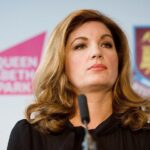
The corridors of power at the London Stadium will soon have a different feel. In a move that marks the close of a pivotal chapter, Baroness Karren Brady has announced her decision to step down as deputy-chair of West Ham United. This isn’t just a boardroom reshuffle; it is the departure of a figure who has been synonymous with the club’s modern identity—a relentless force of nature who navigated turbulent waters, oversaw a historic stadium move, and became one of the most recognizable executives in global football. Her exit, effective upon the appointment of a successor, signals a profound moment of transition for the Irons.
For over three decades, Brady has been a towering presence in the sport. Appointed by then-owners David Sullivan and David Gold in 1995, she steered the club through administration, promotion, and into a new millennium. Her tenure is a tapestry of extreme highs and profound lows, woven with unwavering ambition and no small amount of controversy. To understand the magnitude of her departure is to understand the very journey of West Ham United from a beloved, parochial club in Upton Park to a global entity residing in an Olympic arena.
The Brady Blueprint: Revolution, Risk, and Relentless Ambition
Karren Brady’s impact on West Ham can be segmented into distinct, transformative phases. Her arrival itself was revolutionary, breaking the glass ceiling in a fiercely male-dominated industry. She imposed a stringent, business-first discipline on a club that often prided itself on a more familial, traditional approach. This friction between corporate vision and club culture became a defining theme of her reign.
Her most enduring—and divisive—legacy is undoubtedly the relocation to the London Stadium in 2016. This move was the physical manifestation of Brady’s ambition: a bold leap in capacity, commercial potential, and global profile. The project was her brainchild, tirelessly negotiated and fiercely defended.
- Commercial Metamorphosis: Brady oversaw a period of significant commercial growth, securing major sponsorship deals and expanding the club’s brand far beyond the boundaries of East London. The matchday revenue increase was astronomical, even if fan sentiment often told a different story.
- A Voice of Authority: Her weekly column in a national newspaper made her the public, often combative, voice of the club’s ownership. This provided a direct line to the fans but also concentrated both praise and intense criticism squarely on her shoulders.
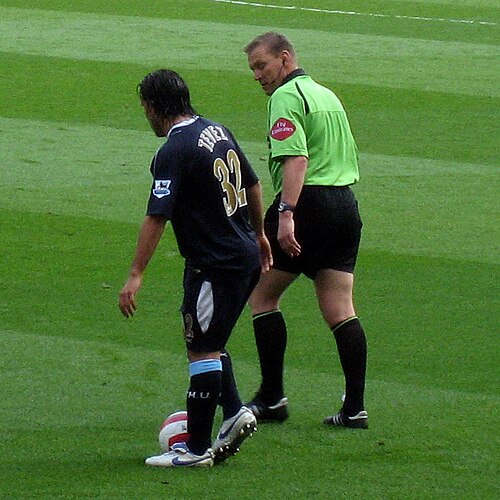
- Navigating Turbulence: From the Carlos Tevez affair and its hefty sanctions to the persistent protests from sections of the fanbase over the stadium move and ambition, Brady’s tenure was rarely calm. She became a lightning rod for dissent, yet her position remained unshakable, demonstrating her unique resilience and the absolute trust of the owners.
Analyzing the Exit: Why Now, and What Does It Mean?
The timing of Brady’s announcement is ripe for analysis. With the club now under the sole ownership of David Sullivan following the passing of David Gold, a natural period of consolidation has begun. Brady cites a desire to focus on her “other business and interests,” which are considerable, spanning media, publishing, and the House of Lords.
This departure likely signifies a strategic evolution for West Ham. The club is now firmly established in its new home, boasting a European trophy in the cabinet and operating in the upper echelons of the Premier League. The initial, turbulent phase of growth—spearheaded by Brady’s often aggressive strategy—may be deemed complete. The next phase requires a different kind of stewardship: one focused on sustainable growth, deeper fan engagement, and perhaps, healing long-standing divisions.
Succession planning will be critical. The new deputy-chair will inherit a club at a crossroads. The challenge will be to maintain the commercial momentum Brady generated while potentially mending the relationship with a fanbase that remains split on the stadium and the club’s direction. Will Sullivan look for a Brady clone, or seek a more conciliatory, consensus-building figure? The answer will reveal the true direction of the post-Brady era.
The Future of West Ham United: Predictions for a New Dawn
Karren Brady’s shadow will loom large over the London Stadium for years to come. Her absence creates a vacuum of personality and power at the executive level. Predicting the future involves looking at several key areas:
1. The Executive Power Dynamic: David Sullivan is now the undisputed figurehead. His next appointment will be the most telling of his career. A promotion from within, such as CEO Ben Smith, would suggest continuity. An external hire, perhaps with a stronger football operations background, could signal a shift in priorities from pure commerce to sporting infrastructure.
2. Fan Relations and the Stadium Question: The new deputy-chair’s first major task will be to address the stadium atmosphere and legacy. Can they find innovative solutions to improve the matchday experience and finally make the London Stadium feel like an unequivocal home? This is the single biggest opportunity to unite the fanbase.
3. The “Project” Recalibration: With Brady’s driving ambition no longer in the boardroom, the club’s strategic goals may be recalibrated. The focus could shift from explosive growth to consolidation—securing top-six status, investing more holistically in the academy and data-led recruitment, and building a squad capable of consistent challenge rather than periodic peaks.
4. A Changing of the Guard: Symbolically, this feels like the end of the Sullivan-Gold-Brady epoch. As manager David Moyes’ future is also periodically debated, the club could be on the cusp of a wholesale change in leadership philosophy, both on and off the pitch.
A Complex Legacy and an Irreplaceable Figure
To eulogize Karren Brady’s time at West Ham is to wrestle with paradox. She was a trailblazing executive who modernized the club’s finances but alienated a portion of its soul. She delivered a world-class stadium that many supporters still struggle to call home. She embodied an era of unprecedented commercial success alongside periods of profound sporting frustration and fan unrest.
Love her or loathe her, her influence is indelible. She took a club that was, in business terms, on its knees, and propelled it into a 60,000-seat arena with European football. In an industry slow to change, she was a relentless agent of it. Her departure does not erase the controversies, but it should compel a balanced assessment of a figure who was, for nearly thirty years, West Ham United.
The final whistle has blown on the Karren Brady era. The sound that follows is not just silence, but the palpable hum of anticipation. A new chapter awaits at the London Stadium, one that will be written by new hands, but on pages she fundamentally helped to create. The ultimate question remains: has she left the club stronger than she found it? The debate, much like her tenure, will be fierce, complex, and absolutely unforgettable.
Source: Based on news from Sky Sports.
Image: CC licensed via commons.wikimedia.org