The Enigmatic Legacy of No. 33: Charles Shackleford’s Brief but Memorable Nets Tenure
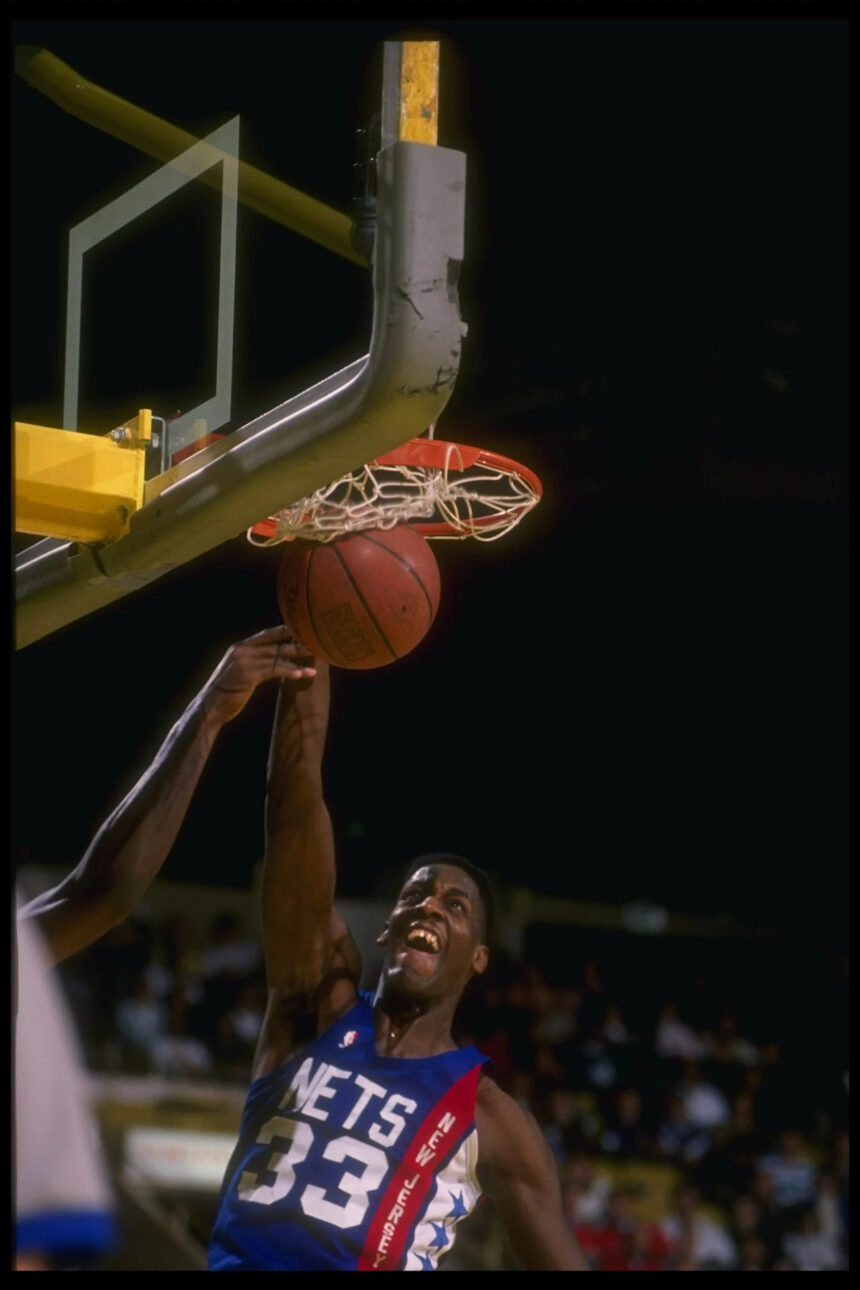
In the sprawling tapestry of the Brooklyn Nets’ jersey history, spanning from the ABA’s New Jersey Americans to the modern Barclays Center era, certain numbers tell epic stories of stardom and longevity. The story of jersey No. 33, however, is a collection of fascinating, often fleeting chapters. Worn by 22 different players, it represents journeymen, role players, and flashes of unfulfilled potential. Among these, the tenure of Charles Shackleford stands out as a compelling “what-if” tale from a transitional period for the franchise. Selected in the 1988 NBA Draft, Shackleford’s two seasons with the New Jersey Nets were a whirlwind of raw talent, on-court versatility, and off-court controversy that left an indelible, if complicated, mark on the team’s lore.
From Wolfpack to Swamp: Shackleford’s Arrival in New Jersey
The New Jersey Nets of the late 1980s were a franchise in search of an identity. After the highs of the early ABA titles and the Julius Erving era, the team was struggling to find consistent footing in the NBA. Into this environment stepped Charles Shackleford, a 6’10” forward/center from NC State known for his unique skill set. As a Wolfpack, Shackleford was a force, famously recording a triple-double with points, rebounds, and assists—a rare feat for a big man that hinted at his passing prowess. The Nets, holding the 32nd overall pick in the 1988 draft, saw a potential cornerstone.
Shackleford’s selection was met with optimism. He wasn’t a traditional back-to-the-basket brute; he was a fluid athlete who could handle the ball, initiate the break, and finish around the rim. For a team building around young talent like Derrick Coleman and Mookie Blaylock just a few years later, Shackleford represented a prototype of the modern, versatile big. His rookie season in 1988-89 showed flashes of that promise. Playing 63 games (starting 15), he averaged 6.1 points and 5.4 rebounds in just over 17 minutes per game. His per-36-minute numbers—12.8 points and 11.4 rebounds—suggested a player capable of significant production with more opportunity.
A Glimpse of Versatility and the Shadow of Controversy
On the court, Shackleford’s game was a precursor to a style now commonplace. In an era of more rigid positional roles, he offered Coach Willis Reed flexibility. Key aspects of his playing style included:
- Exceptional Passing Vision: Shackleford could operate from the high post and find cutters, a trait that made him an offensive hub.
- Ball-Handling Ability: He was comfortable putting the ball on the floor, leading to fast breaks after defensive rebounds.
- Rebounding Tenacity: Despite a leaner frame, he had a nose for the ball and attacked the glass on both ends.
- Efficient Scoring: He shot 50.4% from the field as a Net, primarily scoring on put-backs, rolls to the basket, and short face-up jumpers.
His sophomore season saw a slight dip in minutes but similar per-minute productivity. However, Shackleford’s time in New Jersey became defined as much by headlines off the court as play on it. In 1989, he was at the center of a point-shaving scandal investigation stemming from his time at NC State. While he was never formally charged, the cloud of suspicion and the ensuing media frenzy was a significant distraction for the young player and the organization. This episode, combined with the natural pressures of professional sports, undoubtedly impacted his trajectory and his standing within the league.
The Sudden Departure and a Basketball Odyssey
After the 1989-90 season, Charles Shackleford’s NBA journey with the Nets ended abruptly. At just 24 years old, he left the league and embarked on a globetrotting basketball odyssey. This move was less about a lack of talent and more a confluence of the off-court scrutiny and the Nets’ evolving direction. The team was about to draft Derrick Coleman, a powerhouse forward who would demand major minutes at the four-spot Shackleford often occupied.
Shackleford’s subsequent career became legendary in its own right, a testament to his enduring love for the game. He played in:
- Top European leagues in Italy, Greece, and Spain.
- The CBA in the United States.
- Various leagues across South America and Asia.
He was a nomadic basketball mercenary for over a decade, earning a reputation as a skilled and professional import wherever he landed. This path, while denying him NBA longevity, crafted a unique legacy of a player who simply would not stop playing the game, his talent keeping him relevant on a global stage long after his New Jersey exit.
No. 33’s Place in Nets History and the “What-If” Factor
When evaluating Charles Shackleford’s legacy with the Nets, he occupies a specific niche: the enigmatic talent who flashed future potential before circumstances led him elsewhere. In the lineage of Nets No. 33s—a group that includes later names like Kenyon Martin and Mason Plumlee—Shackleford is the intriguing footnote, the player who hinted at a different kind of big man before it was in vogue.
Expert analysis of his game film reveals a player born two decades too early. In today’s NBA, which prioritizes spacing, passing from the frontcourt, and defensive switchability, Shackleford’s skill set would be highly coveted. He would likely be a valuable rotational big, capable of playing the five in small-ball lineups or even functioning as a jumbo playmaker. The Nets of the early 1990s, however, were not built to fully maximize his unique talents, and the off-court noise proved an insurmountable hurdle.
Predicting an alternate path is a classic sports exercise. Had the scandal not emerged and with a more tailored developmental system, Shackleford could have been a long-term fixture for the Nets, a perfect complementary piece to the explosive talents that arrived in the early 90s. His ability to rebound and outlet could have fueled fast breaks for Kenny Anderson, and his passing could have created open looks for Drazen Petrovic. His career, while full and accomplished globally, remains one of the great “what-if” scenarios for a franchise familiar with twists of fate.
Conclusion: A Lasting Imprint on a Fabled Jersey Number
The history of a franchise is not written solely by its superstars. It is etched by every player who dons the uniform, contributing to the collective memory. Charles Shackleford’s tenure with the New Jersey Nets, though brief, was significant. He wore No. 33 with a blend of grace and grit, offering a preview of positionless basketball in a defined-position era. His story is a poignant reminder of how off-court forces can alter on-court destinies, and how pure talent often finds its stage, even if it’s not the one originally envisioned.
As we trace the lineage of the Nets’ 52 jersey numbers, Shackleford’s chapter in No. 33 is essential. It speaks to transition, unrealized potential, and the enduring global appeal of the game. He was not the most celebrated Net to wear the number, but his unique game and complex journey ensure his place as a memorable and original figure in the team’s rich, five-decade saga.
Source: Based on news from Yahoo Sports.