IPL 2026: Rajasthan Royals Manager Romi Bhinder Fined for Dugout Phone Use, Medical Reason Accepted
The high-octane world of the Indian Premier League is governed by a strict code of conduct, designed to uphold the integrity and security of the sport. In a recent incident that tested the boundaries of these protocols, Rajasthan Royals team manager Romi Bhinder found himself at the center of a controversy. Bhinder was spotted using a mobile phone in the team’s dugout during an IPL 2026 match against Royal Challengers Bengaluru in Guwahati—a clear violation of the PMOA (Players and Match Officials Area) rules. However, in a significant development, TimesofIndia.com has learned that the BCCI’s Anti-Corruption and Security Unit (ACSU) has let Bhinder off with a fine and a warning after accepting his medical reasoning. This decision opens a nuanced debate about protocol, privacy, and the human element in professional sport.
The Incident and the Immediate Breach
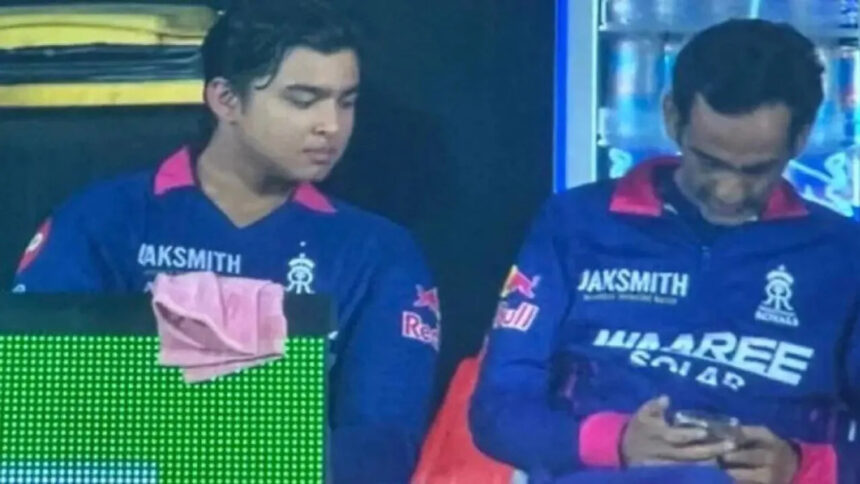
The breach occurred during a critical phase of the match—the 11th over of the Rajasthan Royals’ chase. Camera footage captured Bhinder actively using his mobile device within the confines of the dugout, an area strictly off-limits for such activity. Seated to his right was young player Vaibhav Sooryavanshi, who was seen peeking at the screen. This visual immediately raised red flags for the ACSU, prompting a swift investigation. The PMOA protocol, published before the IPL 2026 season, is unequivocal on this matter. It states that mobile phones are prohibited in the PMOA except for a few designated members. Crucially, it specifies: “The Team Manager may use a phone in the Dressing Room area but NOT in the Dugout.” Bhinder’s actions were, on the surface, a straightforward violation.
The presence of a young player like Sooryavanshi adjacent to the phone added another layer of concern, highlighting the potential for unintentional influence. The ACSU’s mandate is to eliminate any possibility of unauthorized communication that could compromise the match’s integrity. This incident, therefore, triggered a mandatory show-cause notice and a thorough probe.
The ACSU’s Verdict: A Fine, a Warning, and a Medical Exemption
In a move that underscores a pragmatic approach to enforcement, the BCCI’s ACSU concluded its investigation with a relatively lenient outcome. A senior BCCI official confirmed that Romi Bhinder received a formal fine and a warning. However, the investigators were ultimately convinced by Bhinder’s submitted explanation regarding a medical condition that necessitated him keeping the phone close at hand.
This is where the story shifts from a simple case of rule-breaking to a more complex discussion. The ACSU, while upholding the rule by issuing the fine, demonstrated discretion in considering extenuating circumstances. The official stated, “Bhinder received a fine and a warning… however, investigators were convinced his medical condition necessitated its use, so there were no severe consequences.” This decision suggests a balance between zero-tolerance for corruption and a necessary humanity in governance.
Regarding Vaibhav Sooryavanshi, the ACSU adopted a protective stance. “There was no discussion about Vaibhav Sooryavanshi. He is a kid and maybe the franchise can explain the rules better to him. No point intimidating a youngster,” the official noted. This places the onus on the Rajasthan Royals franchise for internal education, focusing on mentorship rather than punishment for the emerging talent.
Expert Analysis: Navigating the Grey Areas of Security Protocols
This incident reveals several critical facets of modern sports administration. Firstly, it reinforces the absolute primacy of the Anti-Corruption and Security Unit in safeguarding the sport. The swift notice and investigation prove the system works proactively.
Secondly, it opens a grey area: medical exemptions in secure zones. While the protocol is rigid for a vital reason, the Bhinder case sets a potential precedent. How does the league accommodate legitimate health concerns without creating a loophole that could be exploited? Future iterations of the PMOA protocol may need to include a formal, confidential process for registering such medical necessities with the ACSU before the season, ensuring both player/official welfare and protocol integrity.
Thirdly, the role of the franchise comes under scrutiny. The incident suggests a possible lapse in ensuring every member of the support staff and playing contingent is drilled on the nuances of the PMOA rules. The Rajasthan Royals management will likely conduct a thorough internal review to prevent any future lapses, not just with Bhinder but across the entire touring party.
- Key Takeaway for Franchises: Pre-season briefings must be exhaustive, with explicit examples of what constitutes a breach in the dugout versus the dressing room.
- Key Takeaway for the ACSU: The discretionary power used here is a tool that must be wielded with extreme caution to maintain the protocol’s deterrent effect.
- Key Takeaway for the League: Transparency in such matters, as shown by the communication of the verdict, is essential to maintain public trust.
Predictions and Ramifications for IPL 2026 and Beyond
The resolution of the Romi Bhinder case will have immediate and long-term effects on the conduct of the ongoing IPL 2026 season and future tournaments.
1. Increased Vigilance: Expect match referees and ACSU officials to be even more alert to electronic devices in the dugout area. This single publicized incident will serve as a reminder to all ten teams.
2. Franchise Protocol Audits: Teams will likely initiate their own internal audits of compliance. The mention of educating young players like Vaibhav Sooryavanshi indicates a need for clearer, more frequent communication from franchise management to their squads, especially newcomers.
3. Potential Protocol Evolution: The BCCI may consider refining the PMOA language to account for verifiable medical exemptions while tightening the blanket ban. This could involve sanctioned, monitored devices or designated medical communication channels that do not connect to external networks.
4. Minimal Sporting Impact: For the Rajasthan Royals, this episode is a minor administrative setback, not a sporting one. With the matter closed by the ACSU, the team can focus entirely on their on-field campaign without the shadow of a prolonged investigation or a heavier penalty like a suspension for a key staff member.
Conclusion: A Lesson in Balanced Governance
The case of Romi Bhinder’s dugout phone use in IPL 2026 is more than a trivial footnote. It is a microcosm of the challenges in running a pristine, global sporting league. The BCCI’s ACSU faced a test: enforce the letter of the law indiscriminately, or consider the human context behind the breach. By opting for a middle path—a financial penalty and a formal warning that upholds the rule, coupled with an acceptance of a legitimate medical reason—the governing body has shown that effective security can coexist with reasoned discretion.
This outcome serves as a warning to all IPL stakeholders about the non-negotiable nature of anti-corruption protocols. Simultaneously, it sends a message that the system is capable of nuance. The ultimate winners are the integrity of the game and its fans, who can be assured that vigilance is constant, but that fairness remains a core principle. As IPL 2026 progresses, the legacy of this incident will be a league that is both secure and sensibly administered.
Source: Based on news from Yahoo Sports.