Cautiously Optimistic or No Progress? Inside the Grand Slam Pay and Welfare Standoff
The sun beats down on the manicured lawns of Melbourne Park, but a different kind of heat is being generated off the court. As the world’s best tennis players battle for glory at the Australian Open, a parallel contest is unfolding—one about value, recognition, and the fundamental economics of the sport. At its heart lies a pivotal question: are the four Grand Slams, the undisputed crown jewels of tennis, sharing their immense wealth fairly with the very athletes who create their spectacle? The locker room, it seems, is divided on the answer.
The Fault Line: Keys’ Hope vs. Zverev’s Frustration
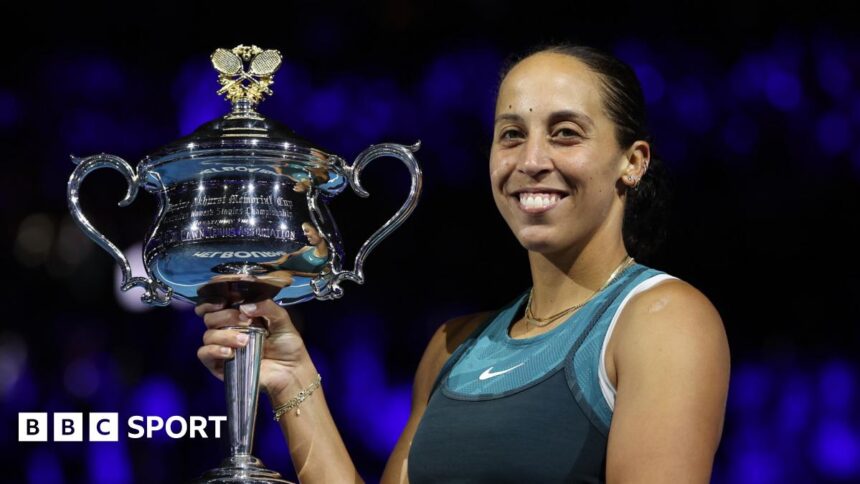
The contrasting perspectives of two top stars perfectly encapsulate the current stalemate. Reigning Australian Open champion Madison Keys represents the camp of measured hope. “I’m cautiously optimistic,” Keys stated in Melbourne, acknowledging the ongoing dialogue between a coalition of top-20 players and the Grand Slam boards. Her optimism stems from a series of discussions held last year, focusing on two core demands: increased prize money and enhanced player welfare support.
Across the net, so to speak, stands Alexander Zverev, a three-time major finalist and a vocal advocate for player interests. His assessment is starkly different. “I don’t think there’s much progress being made, to be honest,” Zverev remarked, casting a shadow over the negotiations. This dichotomy between cautious optimism and palpable frustration reveals the complex dynamics at play as players seek a greater share of the Grand Slam bounty.
Beyond the Winner’s Check: The Core Player Demands
The players’ push is not merely about making the rich richer. It’s a multifaceted campaign aimed at addressing systemic issues within the sport’s pinnacle events. The discussions have centered on several key areas:
- Prize Money Distribution: While overall prize pools have risen, players argue the increases haven’t kept pace with the Slams’ exploding revenues from broadcasting, sponsorship, and hospitality. There’s a particular focus on boosting compensation for early-round losers, ensuring a sustainable career for more players.
- Comprehensive Welfare Support: This extends beyond prize money. Players are seeking better provisions for travel, accommodation, and entourage support for all competitors, not just the top seeds. Improved pension plans and post-career health coverage are also on the table.
- Recognition of Pulling Power: At its core, the negotiation is about value. Players like Keys and Zverev argue that their collective star power and athletic sacrifice are the primary drivers of the Slams’ commercial success and deserve a more equitable financial partnership.
“We’re the ones out there, playing seven matches in two weeks, putting our bodies on the line,” one top-20 player noted anonymously. “The revenue follows the stars and the drama we create. It’s time the business model reflected that reality.”
The Grand Slam Stance: A Clash of Business Models
The Grand Slams operate as independent, not-for-profit entities in Australia, France, and the UK (with the US Open a non-profit with a different structure). Their traditional retort to prize money demands has centered on reinvestment. They argue that revenues are funneled back into developing the sport—funding national federations, building infrastructure, and supporting grassroots initiatives.
This sets up a fundamental clash of philosophies. The players view themselves as essential partners in a joint venture. The Slams, historically, have viewed prize money as an expense—albeit a crucial one—within a broader mission. Bridging this conceptual gap is the central challenge. The Slams have made concessions over the years, but players feel the incremental shifts are insufficient, especially as new media rights deals are struck behind closed doors.
Player unity has become the most potent weapon in this negotiation. The formation of a cohesive group of top-20 stars, transcending the often-divided player councils of the ATP and WTA, signals a new level of seriousness. “When the biggest names in the game speak with one voice, the Slams have to listen,” a veteran coach observed. “It’s no longer just a complaint; it’s a collective bargaining position.”
Predictions: Will 2024 Bring a Breakthrough or a Stalemate?
Looking ahead, the path is fraught with both opportunity and risk. The cautious optimism voiced by Keys suggests the dialogue has moved beyond mere confrontation to a more substantive, if slow, negotiation phase. The Slams are likely aware that prolonged public discord with their star attractions is bad for business.
We predict incremental, targeted concessions will be announced first, likely in the area of welfare support and per diems, which are easier for the Slams to justify publicly. A significant overhaul of the prize money pyramid, however, will be a tougher sell and may require the players to maintain a unified front beyond the 2024 season.
The wildcard is the potential for more public advocacy. If players like Zverev feel the talks are stalling, we may see increased media pressure or symbolic actions, though a boycott of a major remains an extreme and unlikely last resort. The real progress may be measured not in a single windfall, but in the establishment of a formalized, ongoing revenue-sharing dialogue between the player group and the Slams—a structure that itself would be a monumental shift.
Conclusion: A Defining Negotiation for Tennis’s Future
The divide between “cautiously optimistic” and “no progress” is more than just a difference in rhetoric. It’s the tension point where the future of tennis is being negotiated. Madison Keys’ hope reflects a belief in the power of reasoned dialogue among the sport’s stakeholders. Alexander Zverev’s frustration underscores the urgency many players feel after decades of what they see as relative undervaluation.
This standoff is about more than money. It’s about respect, partnership, and shaping a sustainable model for the next generation. The Grand Slams are temples of tennis history, but the players are their living, breathing architects. How this conflict resolves will set a precedent for decades to come, determining whether the sport evolves into a true partnership or remains anchored in an older, more hierarchical tradition. One thing is certain: the game is watching, and the next move will be critical.
Source: Based on news from BBC Sport.