Darkness Descends: Arena Blackout Throws UConn vs. UMass Hockey OT Into Unprecedented Chaos
The thin line between championship-caliber drama and pure, unadulterated chaos is often measured in seconds and inches. In a pivotal Hockey East clash between the UConn Huskies and the Massachusetts Minutemen, that line vanished—along with every single light in the building. A surreal and sudden arena blackout at the Mullins Center plunged a tense overtime period into darkness, creating a bizarre scene that left players, coaches, and fans in a state of suspended disbelief. This wasn’t a strategic timeout or a referee’s whistle; this was a total systems failure at the most critical possible moment.
A Game of Inches, Then Darkness
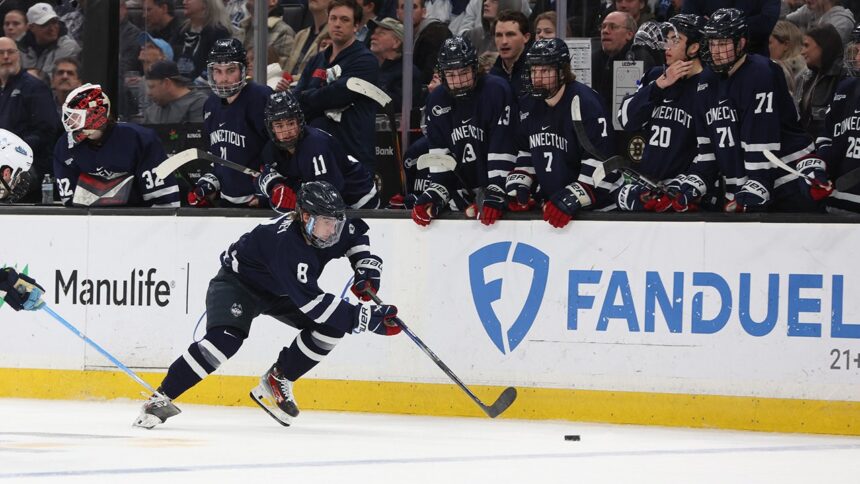
The stage was set for a classic. After a hard-fought battle through regulation, the score was locked at 3-3. The overtime period had begun, that heart-pounding, sudden-death frame where every rush could end the game. According to reports, the Minutemen had mounted an offensive push, a final attempt to solve the UConn goaltender. The shot was denied, the rebound scrambled, and the puck likely sat somewhere in the crease or the corner—a frozen moment of maximum tension. Then, without warning, the Mullins Center went dark.
Imagine the sensory whiplash: the roar of the crowd, the scrape of skates, the shouted commands—all swallowed by an abrupt, silent blackness. Players would have been left stranded mid-stride, their eyes struggling to adjust to a blackout so complete it felt physical. Officials immediately halted play, but the standard protocol for a power outage at this level of collegiate athletics is virtually non-existent. This wasn’t a flicker; it was an event.
- Critical Timing: The blackout didn’t occur during an intermission or a stoppage. It happened in real-time during live overtime action, a fact that complicates all subsequent decisions.
- Player Safety Paramount: The immediate and only concern was the well-being of the athletes. On ice, in full gear, with zero visibility, the risk of collision or injury was extreme.
- Unprecedented Scenario: While delays for weather or minor technical issues happen, a complete arena blackout at a crucial NCAA Division I conference game is exceptionally rare.
Expert Analysis: The Logistical and Psychological Nightmare
From a pure hockey operations standpoint, the blackout creates a labyrinth of questions with no easy answers. “This is a nightmare scenario for the officiating crew and conference administrators,” says a veteran NCAA hockey coordinator who wished to remain anonymous. “The game state at the moment of the blackout is everything. Where was the puck? Who had possession? What was the exact positioning of all ten skaters and the goaltenders?”
Replay review becomes a crucial, yet potentially futile, tool. If the overhead camera feeds were lost simultaneously with the arena lights, there may be no visual record of the final second before darkness. This could force officials to make a monumental judgment call: do they attempt to recreate the face-off based on partial information, or does the situation necessitate a full overtime restart?
Beyond logistics lies the psychological impact on the athletes. Hockey is a game of rhythm, instinct, and intense focus. The Huskies, who had just weathered a storm and made a critical save, had their momentum literally shut off. The Minutemen, who were pressing and felt close to a game-winning goal, had their urgency frozen. “You’re at peak competitive adrenaline, and then everything just… stops,” the analyst noted. “Regaining that specific level of intensity and game flow is incredibly difficult, even after a 20-minute intermission, let alone a bizarre event like this.”
Goaltenders are particularly affected. They operate in a state of hyper-awareness, tracking the puck, reading angles, and feeling the game’s tempo. To be plunged into darkness and then expected to resume is a unique mental challenge.
Predictions and Repercussions: How This Blackout Echoes Through the Season
The immediate resolution of the game is just the first chapter. The long-term repercussions of this blackout will be felt in the Hockey East standings and potentially the NCAA tournament picture.
First, the game must be completed. The most likely outcome, following NCAA and conference protocols for “acts of God” or extraordinary events, is that the game will be resumed at a later date from the point of interruption. However, determining that exact point is the rub. Expect a lengthy review involving both head coaches, the officiating crew, and league officials to decide where and when to drop the puck.
Second, the competitive integrity of the result will be scrutinized. Whichever team ultimately loses this game will forever wonder “what if?” The blackout has irrevocably altered the context of the contest. This incident will fuel debates about contingency planning for major facilities, potentially leading to mandated arena backup power systems for critical sporting events.
Finally, the season’s narrative is altered.
For teams like UConn, featuring players like the dynamic Joey Muldowney who have shown their mettle in high-pressure tournaments, this is an unwanted distraction in a tight conference race. For UMass, a program with recent national success, it’s a bizarre obstacle. The teams must now carry the mental weight of an unfinished, surreal battle into the rest of their schedule, knowing they have to return to complete a few minutes of hockey that could decide playoff seeding or an at-large NCAA bid. The Hockey East Championship landscape is notoriously volatile. A single point gained or lost can mean the difference between a top seed and a road playoff series. The result of this blackout-interrupted game could very well be the factor that determines who lifts the trophy at TD Garden in March. In the annals of college hockey, the 2025 UConn vs. UMass game will not be remembered solely for the skill on display or the score at the end of regulation. It will be remembered as the “Blackout Game.” It serves as a stark reminder that for all our advanced technology and meticulous planning, sport remains a human endeavor subject to the unpredictable. The incident underscores the fragility of momentum and the intense mental fortitude required of student-athletes who must adapt to not just their opponents, but to total darkness. When the lights finally do come back on at the Mullins Center, and the two teams finish their interrupted battle, it will be more than just a conclusion to a hockey game. It will be a testament to resilience, a study in improvisational logistics, and a permanent, strange footnote in Hockey East history. The teams will play on, but the shadow of the blackout will linger long after the final goal light—hopefully still powered—flashes. Source: Based on news from Fox Sports.Conclusion: An Indelible Mark on the Season