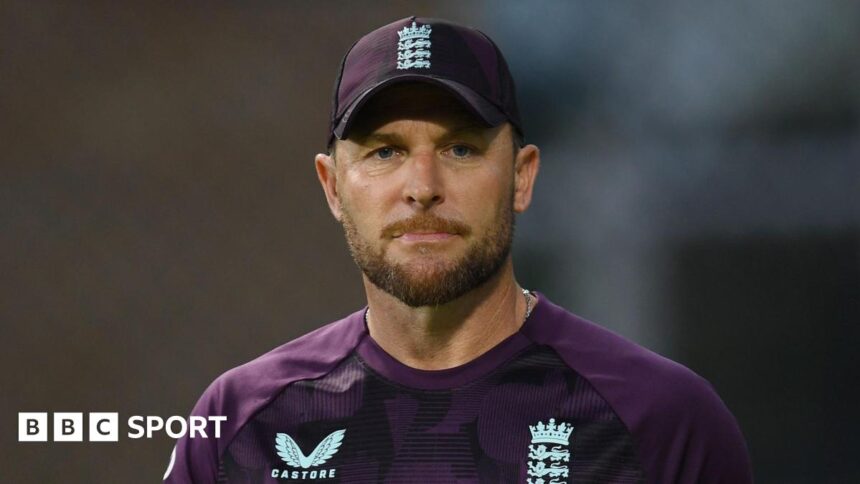
England’s Ashes Fightback: McCullum Demands Steel, Not a ‘Glass Jaw’
The air in England’s camp is thick with the language of the fight. After a bruising start to the Ashes, trailing 2-0 with three Tests to play, the tourists are not talking about technical tweaks or pitch conditions. They are talking about mentality, resilience, and the unforgiving nature of combat at Test cricket’s highest level. Head coach Brendon McCullum has issued a stark, evocative warning: England cannot afford a ‘glass jaw’ if they are to have any hope of mounting a historic recovery. This is no longer just a cricket series; it’s a test of character.
The Stakes: A Deficit No England Team Has Overcome
History itself is against Ben Stokes’ side. No England team in the long, storied rivalry of the Ashes has ever rallied from 2-0 down to win the series. The defeats at the Gabba and the MCG were not just losses on the scoreboard; they were psychological body blows. In Brisbane, a promising position evaporated. In Melbourne, a catastrophic batting collapse sealed their fate. These are the moments that define tours, where momentum solidifies into an immovable object. England are not just battling a formidable Australian lineup; they are battling the weight of precedent and the erosion of self-belief. As McCullum bluntly stated, feel sorry for yourself, and you have “no chance.”
The Dressing Room Doctrine: No Place for Weakness
The response from the leadership has been unequivocally tough. Captain Ben Stokes set the tone, declaring his dressing room “no place for weak men.” McCullum’s instant agreement—“100%”—signals a unified front. This is the core of the ‘Bazball’ philosophy stripped back to its essence: it is not merely about aggressive batting, but about an aggressive mindset. It’s about absorbing pressure and returning it with interest.
What does a ‘glass jaw’ metaphor mean in a cricket context? It signifies a fragility under fire, a tendency to shatter when the first real sign of adversity strikes. For England, this has manifested in:
- Batting Collapses: Sessions where clusters of wickets fall, undoing hard work.
- Missed Key Moments: Failing to seize initiative when Australia has been vulnerable.
- Bowling Leaks: Allowing the game to run away in brief, costly passages of play.
McCullum’s challenge is to replace that fragility with titanium resolve. He is demanding his players stare down the hostility, the scoreboard, and history itself without blinking.
Analysis: Can England’s Mindset Overcome Technical Woes?
This psychological framing is both a necessity and a potential masterstroke. On one hand, England’s technical deficiencies against high-quality pace bowling in Australian conditions have been exposed. Simply “being brave” might not fix a flawed forward defence. However, by making the narrative entirely about mentality, McCullum and Stokes are attempting a classic re-frame. They are shifting the focus from what they are doing wrong to how they are thinking about it.
The risk is obvious: this could be seen as ignoring fundamental flaws. But the potential reward is transformative. If the players truly buy in, they can play with the freedom and clarity that has defined England’s best moments under this regime. It turns the pressure from a burden into a catalyst. The question is whether this mindset can:
- Protect the middle order from the psychological toll of early wickets.
- Empower bowlers to attack their plans relentlessly, even after being hit.
- Convert 50-run starts into match-defining centuries.
This is McCullum’s gamble. He believes skill can be unlocked and elevated by unshakeable self-confidence and collective grit.
Predictions: The Path to a Miraculous Recovery
Turning this series around would constitute one of the great comebacks in Ashes history. It requires not just winning three Tests, but breaking the Australian spirit. The blueprint likely involves:
1. Winning the First Session, Every Day: England must set the tone from the outset in Sydney and beyond. They cannot wait for the game to come to them; they must seize it, stamping out Australian momentum before it begins.
2. A Heroic Individual Performance: Ashes turn on iconic innings or bowling spells. England need a Stokes 2019 Headingley-level intervention from one of their key players—Root, Stokes himself, or a bowler like Mark Wood or Stuart Broad.
3. Exploiting Australian Pressure: The rare chance to win a home Ashes series 5-0 will now be in Australian minds. England must use that expectation as a weapon, playing with the nothing-to-lose daring that can unsettle a favourite.
If England can square the series heading to the final Test, the pressure will have completely flipped. That is the distant shore McCullum is steering towards.
Conclusion: The Ultimate Test of the Bazball Ethos
Brendon McCullum has drawn his line in the sand. The message is no longer about revolutionizing Test cricket; it’s about surviving a war of attrition. The ‘glass jaw’ comment is a powerful piece of psychological framing, designed to provoke a primal response from his squad. He and Stokes have declared that weakness is not an option, that self-pity is the enemy.
The coming weeks will reveal whether this England team is built of the stern stuff their leaders demand. Can they transform their defiant words into resilient deeds? To overcome this deficit, they will need to show more than flair. They will need to show fortitude, weathering the storm of Australian attacks and counter-punching with conviction. The Ashes are already gone for many observers. For McCullum’s England, the real contest—the one for respect, for legacy, and for proving their philosophy’s worth on the hardest stage—begins now. The jaw must be set, not shattered.
Source: Based on news from BBC Sport.