F1’s New Era Sealed: Stakeholders Ink Crucial 2026-2030 Concorde Agreement
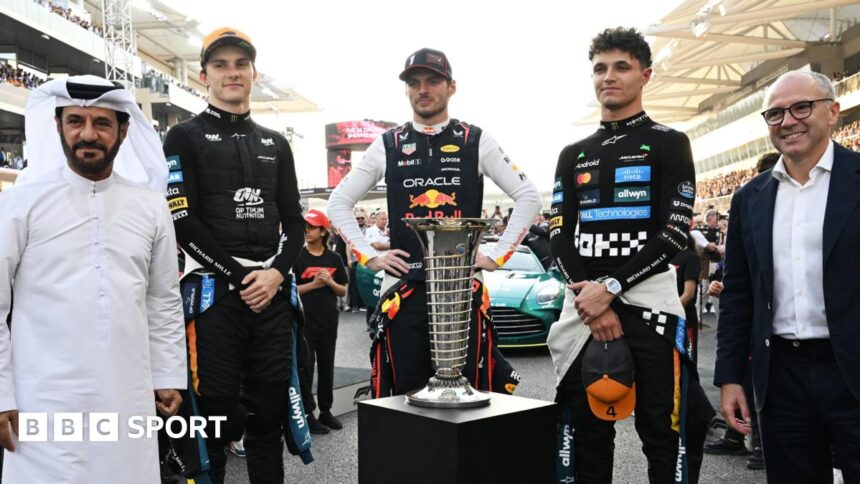
In the shimmering twilight of the Yas Marina Circuit, a handshake under the desert sky signaled more than just pre-race formalities. As FIA President Mohammed Ben Sulayem and Formula 1 CEO Stefano Domenicali flanked the championship contenders before the Abu Dhabi Grand Prix, the tableau was rich with symbolism. It was a public display of unity at the culmination of a season, but more importantly, it foreshadowed a landmark announcement: the finalization of a new Concorde Agreement, the sport’s foundational and famously secretive covenant. This new deal, binding from 2026 through 2030, isn’t merely a contract renewal; it’s a strategic blueprint designed to navigate Formula 1 through its next period of unprecedented global growth and technological revolution.
The Concorde Agreement: F1’s Invisible Pillar
To the casual fan, Formula 1 is a spectacle of speed, sound, and strategy. Behind the scenes, it is a complex and often tense ecosystem of competing commercial and sporting interests. The Concorde Agreement is the legal keystone that holds this entire structure together. It is the tripartite contract that meticulously defines the relationship, responsibilities, and revenue distribution between the three core pillars of the sport: the commercial rights holder (Formula 1, owned by Liberty Media), the governing body (the FIA), and the ten—soon to be eleven with Audi’s entry—competing teams.
This document dictates everything from the technical and sporting regulations to the all-important financial distribution of the sport’s multi-billion dollar revenue. Its negotiation is a high-stakes poker game, often lasting years and fraught with brinkmanship. The expiration of the previous agreement at the end of 2025 created a critical deadline, making this new 2026-2030 pact a vital piece of stability as the sport prepares for a seismic shift in engine regulations and a continued expansion of its fanbase.
Decoding the Key Provisions of the 2026 Pact
While the full text remains confidential, official statements and industry reporting reveal critical pillars of the new agreement. These provisions are designed to address past pain points and future-proof the championship.
- Enhanced FIA Investment & Governance: A headline term is a revised financial agreement for the FIA. The governing body will receive increased funding, specifically earmarked to “invest further in improved race regulation, race direction, stewarding, and technical expertise.” This directly responds to widespread criticism over inconsistent officiating and aims to professionalize the regulatory backbone of the sport.
- Stability Through 2030: Locking in all key parties until the end of 2030 provides unparalleled operational stability. This five-year horizon allows teams to secure long-term technical partnerships and sponsorships, and gives Formula 1 a stable platform to negotiate with circuits and broadcasters. It ensures the 2026 power unit regulations have a settled commercial landscape in which to launch.
- Cost Cap Continuity & Competitive Balance: The hugely successful financial regulations (cost cap) are firmly entrenched within the new Concorde framework. This ensures the sport’s recent trend towards closer, more unpredictable racing can continue, preventing a return to a financial arms race that could bankrupt the grid’s middle class.
- Future-Proofing for New Entrants: With Audi confirmed for 2026 and other manufacturers like Honda and Ford (with Red Bull) involved, the agreement likely includes clear terms for new team entries and engine suppliers, safeguarding the sport’s ambitious growth and technological roadmap.
Expert Analysis: A Shift from Conflict to Collaboration?
The optics and reported terms of this agreement suggest a significant philosophical shift. Historically, Concorde negotiations have been characterized by public spats, threats of breakaway series, and a zero-sum mentality between the FIA, F1, and the teams. The relatively swift and harmonious conclusion of this deal, announced well ahead of the 2025 deadline, indicates a new maturity.
“This isn’t just a contract; it’s a statement of intent,” observes a veteran F1 insider. “The parties have looked at the booming popularity, the Netflix-driven fan engagement, and the massive interest from manufacturers, and realized that collaboration is more profitable than conflict. The increased funding for the FIA is particularly telling—it’s an acknowledgment that a strong, well-resourced referee is essential for the credibility of the entire show.”
The alignment between Ben Sulayem and Domenicali, once seen as potentially adversarial, now appears strategic. The FIA secures the resources to modernize its sporting and technical departments, while Formula 1’s commercial arm gets the regulatory consistency and team stability needed to maximize global growth. The teams, meanwhile, operate with known financial rules and a guaranteed share of a growing revenue pie.
Predictions: How the New Deal Will Shape F1’s Future
The 2026-2030 Concorde Agreement sets the stage for a transformative half-decade in Formula 1. Its clauses will directly influence what we see on and off the track.
First, expect a more professionalized and consistent regulatory environment. With targeted investment, the FIA is poised to deploy more advanced technology in race control, potentially leveraging AI for track limits monitoring, and expand its team of specialist stewards. This could lead to fewer controversial penalties and greater fan trust in sporting decisions.
Second, the financial stability empowers teams to make bold technical investments for the 2026 regulations. The cost cap prevents runaway spending, but the long-term certainty allows for smarter, longer-range planning in developing the new hybrid power units and chassis. This could create a steeper competitive curve in 2026, with teams that have planned well under the new agreement surging ahead.
Finally, this agreement is a green light for commercial and calendar expansion. With the core relationship secured, Formula 1 management can aggressively pursue new markets and race promoters. We can expect further growth in the number of Grands Prix (likely with more flexible event formats) and deeper fan engagement initiatives, all built on the stable foundation this Concorde provides.
The Final Lap: A Unified Grid for the Challenges Ahead
The signing of the 2026-2030 Concorde Agreement is arguably the most significant off-track event of the season. It moves Formula 1 beyond a period of internal negotiation and positions it as a unified entity ready to capitalize on its current golden era. By addressing the FIA’s resource constraints, cementing the cost cap, and providing long-term certainty, the sport has proactively tackled its most glaring vulnerabilities.
The image from Abu Dhabi—of the stewards of the sport standing shoulder-to-shoulder with its star drivers—will now be remembered as more than a ceremonial photo op. It was the curtain-raiser for a new chapter. As Formula 1 accelerates towards a future defined by sustainable fuels, hyper-efficiency, and a truly global audience, it does so with its house in unprecedented order. The new Concorde Agreement is the solid chassis upon which the next era of competition will be built.
Source: Based on news from BBC Sport.