Fan Denies Racial Slur Allegation in Heated Sideline Exchange with Steelers’ DK Metcalf
The combustible nature of NFL sideline interactions between players and fans exploded back into the spotlight this weekend in Pittsburgh, leaving a cloud of conflicting accusations and a stark reminder of the volatile line between passionate fandom and unacceptable behavior. At the center of the storm are Pittsburgh Steelers wide receiver DK Metcalf and Detroit Lions fan Ryan Kennedy, whose second-quarter confrontation has ignited a fierce debate about accountability, perception, and what truly transpired in that heated moment.
A Sideline Flashpoint: Recapping the Incident
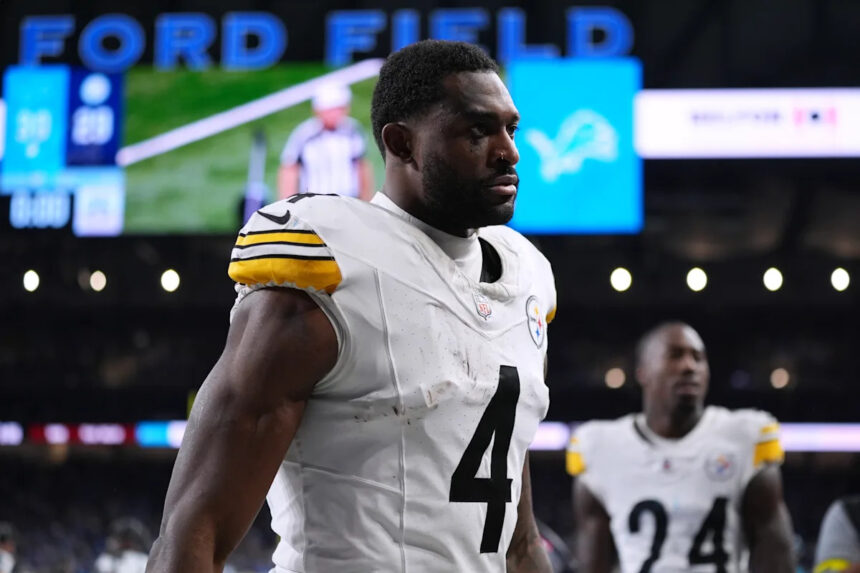
During the second quarter of the Pittsburgh Steelers’ 29-24 victory over the Detroit Lions at Acrisure Stadium, CBS cameras captured a tense exchange along the railing separating the field from the stands. The visual narrative was clear: Ryan Kennedy, a Lions fan adorned in a blue wig and team colors, leaned aggressively over the rail, engaging in a shouting match with DK Metcalf. The Steelers receiver, walking near the sideline, approached, reached up, and grabbed Kennedy. The interaction escalated rapidly, culminating in Metcalf throwing a jab with his right arm toward Kennedy’s head. Fortunately, the punch appeared to make minimal, if any, contact.
Key facts from the incident include:
- Metcalf remained in the game following the altercation, finishing the contest with four receptions for 42 yards.
- The officiating crew did not flag Metcalf for the interaction, suggesting they did not deem it a disqualifying act.
- The broadcast audio did not clearly pick up any specific verbiage from the fan, leaving the content of the exchange open to interpretation and later allegation.
In the immediate aftermath, social media and sports talk circles buzzed with speculation about what could provoke a professional athlete to such a point. The answer, according to initial reports and Metcalf’s own implied justification, pointed toward the use of a racial slur.
The Legal Denial: Fan’s Statement Contradicts Narrative
On Monday, the story took a significant turn. Through a statement released by his lawyers to The Associated Press, Ryan Kennedy forcefully denied the core allegation. The law firm stated that Kennedy “categorically denies” using a slur or any other derogatory statement during the exchange with Metcalf. This legal rebuttal sets up a classic “he said, he said” scenario, with profound implications for both parties.
Kennedy’s legal team is likely pursuing a strategy to protect their client from potential consequences, which could range from a lifetime ban from NFL stadiums to public vilification. By issuing a formal, categorical denial, they place the burden of proof back on Metcalf and the NFL. The league and the Steelers have remained quiet, likely conducting their own investigation, which would include a review of all available audio and video footage and interviews with nearby spectators.
This development complicates the public perception. While athlete-fan altercations are rare, they almost always involve verified egregious conduct from the fan—such as throwing objects or unequivocal verbal assaults caught on tape. The lack of clear audio evidence in this case creates a gray area that Kennedy’s denial exploits.
Expert Analysis: The Pressure Cooker of the Sideline
As a sports journalist who has covered the league for years, this incident is a symptom of a larger, persistent issue. The NFL sideline is a uniquely pressurized environment. Players, operating at the peak of physical and emotional intensity, are literally inches away from fans who are often emboldened by alcohol and anonymity. The rail is a psychological barrier that some fans believe grants them license to say things they never would in a face-to-face encounter.
DK Metcalf is known for his fiery, emotional play. This is not a player who shies away from confrontation on the field. However, crossing the boundary to physically engage a fan is a red line the NFL has historically punished severely, regardless of provocation. The league’s Personal Conduct Policy is clear about upholding standards of sportsmanship and respect.
The analysis must consider two distinct possibilities:
- Scenario A: Kennedy did use a racial slur, a provocation so severe it triggered a visceral, if ill-advised, reaction from Metcalf. This would follow a tragic pattern in sports where athletes are subjected to hate speech with limited immediate recourse.
- Scenario B: Kennedy’s denial is truthful, and the exchange was a profane but non-racially charged verbal tirade that Metcalf misinterpreted or reacted to based on assumption. This would significantly alter the ethical calculus of the incident.
Without ironclad evidence, the truth may remain contested. However, the NFL’s response will send a message about its tolerance for player-fan physical contact under any circumstances.
Predictions and Ramifications: What Happens Next?
The fallout from this incident will unfold on multiple fronts. Based on precedent and league protocol, we can make several predictions.
For the NFL League Office: The league will conduct a thorough investigation. Even if Metcalf acted in response to a slur, the NFL is likely to issue a fine for making physical contact with a fan. The precedent was set in 2021 when the NFL fined then-Las Vegas Raiders defensive end Maxx Crosby for shoving a fan, even though the fan was later banned for misconduct. The league must maintain the principle that players cannot physically retaliate. The severity of the fine may hinge on what their investigation concludes about Kennedy’s conduct.
For Ryan Kennedy: His future access to NFL games is in serious jeopardy. If the NFL’s investigation finds evidence of abusive language—racial or otherwise—he will almost certainly face a lengthy or indefinite ban from Acrisure Stadium and potentially all NFL venues. This is standard operating procedure for fans who verbally assault players.
For DK Metcalf and the Steelers: Metcalf may face a fine from the team or league, but a suspension seems unlikely given the lack of solid contact and the unresolved nature of the provocation. Internally, the Steelers will likely counsel Metcalf on channeling his emotions, emphasizing that any physical response puts the team at risk. The broader conversation will continue about the tools players have to report abusive fans, such as alerting security personnel, rather than engaging directly.
Conclusion: A Line Crossed, A Conversation Renewed
The clash between DK Metcalf and Ryan Kennedy is more than a fleeting sideline scuffle. It is a Rorschach test for how we view fan accountability, player conduct, and the toxic undercurrents that can surface in the high-stakes theater of professional sports. Whether the final determination confirms the use of a racial slur or reveals a more mundane—though still offensive—barrage of trash talk, two lines were crossed: one by a fan who believed verbal assault was part of his ticket package, and one by a player who felt compelled to meet that vitriol with physicality.
Ultimately, this incident should force a renewed examination of the gameday environment. Teams and the league must continue to empower security to identify and eject abusive fans swiftly, creating a clearer, safer boundary. Simultaneously, players must be reinforced with the difficult but necessary mandate to walk away. The sideline rail must remain a barrier, not a battleground. The truth of what was said may remain between Metcalf and Kennedy, but the consequence of the encounter is a public reminder that the price of admission does not include a license to degrade, and the uniform does not grant permission to retaliate.
Source: Based on news from Yahoo Sports.