The £74 Match: How Soaring Ticket Prices Are Testing the Soul of the Premier League
The roar of the crowd, the crunch of a tackle, the explosion of joy at a last-minute winner—these are the priceless moments that define English football. But in the modern Premier League, that experience now carries a very precise, and for many, a painfully high price tag. A new financial report has laid bare a growing chasm between the league’s astronomical wealth and the wallets of its most loyal supporters. As ticket revenues soar, fans of the competition’s six richest clubs are now paying an average of £74 per match, turning a Saturday ritual into a significant financial commitment and sparking a fresh wave of dissent from the stands.
The Staggering Numbers: A League Within a League
The UEFA European Club Finance and Investment Landscape report provides a stark financial snapshot. It reveals that Arsenal, Chelsea, Liverpool, Manchester City, Manchester United, and Tottenham Hotspur—the Premier League’s financial elite—saw their matchday revenues surge by an average of 19% in 2025 compared to 2024. This isn’t organic growth from slightly fuller stadiums; it’s a direct result of aggressive ticket pricing strategies. The figures tell a story of rapid inflation at the turnstile.
- Arsenal leads the price league, generating a staggering average of £89 per ticket, per fan. The Emirates Stadium now stands as the most expensive ground in the country to watch a game.
- Liverpool recorded the most dramatic increase, with ticket income skyrocketing by 27% year-on-year to a total of £120 million. This comes despite, or perhaps because of, the expansion of Anfield.
- These increases far outstrip general inflation, representing a conscious commercial decision by clubs awash with billions in television rights money.
This trend creates a “league within a league,” where the financial power of the top six is further cemented not just by global TV deals and commercial sponsorships, but by systematically maximizing revenue from their own local fanbases. The matchday experience is being financially optimized, and many fear the soul of the supporter is being quietly factored out of the equation.
From Grumbles to Protests: The Fan Fightback
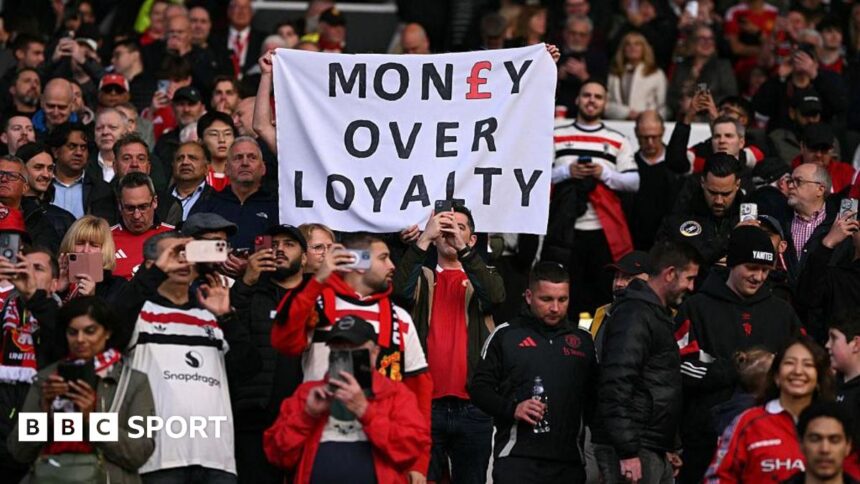
This financial report quantifies what fans on the terraces have been feeling in their bank accounts for years. The consequence has been a visible and vocal escalation in protests against ticket price rises. What was once muted grumbling is now organized action. We’ve seen walkouts on the 77th minute (symbolizing the potential cost of a future ticket), coordinated banner displays at grounds across the country, and sustained pressure from influential fan groups like the Spirit of Shankly (Liverpool) and the Arsenal Supporters’ Trust.
These protests are not merely about affordability, though that is the core issue for many. They represent a deeper philosophical clash about the identity of the modern football club. Fans argue they are being treated as consumers in a pure entertainment transaction, rather than as stakeholders in a community institution. The atmosphere—generated by those same fans—is sold as part of the “product,” yet the people who create it are being priced out of participating. This tension is unsustainable. As one veteran campaigner told me, “The clubs are mining a non-renewable resource: generational loyalty. You can’t replace a local fan who attends with their family for 30 years with a tourist who comes once for a premium experience. The culture dies.”
Expert Analysis: The Short-Term Gain vs. Long-Term Risk
From a pure business perspective, club executives can justify these rises. Demand vastly outstrips supply for most top-flight matches. A global audience of millions creates a market where affluent tourists and corporate clients will often pay a premium that local fans cannot. The stadium is a fixed asset, and maximizing its revenue per seat is a logical corporate goal. “You have to remember,” a former club commercial director noted under condition of anonymity, “these clubs are competing on a global stage for the best players. Every revenue stream, including matchday, is scrutinized to fuel that engine.”
However, this is a dangerous short-term calculus. The expert analysis from within sports finance circles points to significant long-term risks:
- Atmosphere Erosion: A homogenized, quieter crowd diminishes the home-field advantage and the league’s global broadcasting appeal, which is built on its vibrant, passionate stadia.
- Community Disconnection: Clubs risk severing their roots, becoming branded content hubs rather than civic pillars. This damages brand authenticity, which is ironically what attracts many commercial partners.
- Political Scrutiny: Sustained protests and media focus will inevitably lead to louder calls for independent regulation, such as a statutory football regulator with powers to influence pricing, a prospect clubs desperately wish to avoid.
The data shows soaring ticket revenue, but it doesn’t measure declining goodwill. That is the intangible asset clubs are risking.
Predictions: Where Does This Lead?
Based on current trajectories and the growing militancy of fan groups, we can make several predictions for the coming seasons. The protests against ticket price rises will become more sophisticated and widespread, moving beyond the traditional “big six” to envelop any club implementing aggressive hikes. We will likely see a greater push for legislated price caps, similar to those seen in Germany’s Bundesliga, becoming a central plank of fan lobbying efforts with the new government regulator.
Clubs may respond not with broad price cuts, but with more nuanced—and arguably divisive—tiering. Expect to see:
- More “premium” experiences at extreme prices subsidizing a very small number of cheaper, ballot-accessed tickets for local fans, used as a PR tool.
- A greater reliance on dynamic pricing models (similar to airlines and concerts), where prices fluctuate wildly based on opposition and significance of the match.
- Increased bundling of tickets with merchandise or membership perks to obscure the true per-match cost.
The fundamental prediction, however, is that this issue will not go away. The £74 per match average is a landmark figure that will fuel the debate. As broadcast rights deals potentially plateau, clubs will look even more hungrily at matchday revenue, setting the stage for continued conflict.
Conclusion: The Crossroads of Commerce and Culture
The Premier League stands at a crossroads, illuminated by the stark light of a financial report. The soaring ticket revenues and the £74 average are metrics of commercial success, but they also measure a growing distance between the game and its people. Football’s unique magic has always been its tribal, local, and emotionally charged atmosphere—a magic created not by television directors, but by fans in the stands.
Sustained price increases at this rate are not just a question of economics; they are a question of identity. Clubs are harvesting the loyalty built over generations and converting it into quarterly revenue gains. The warning signs are clear: the protests are growing, the atmosphere is under threat, and the social contract between club and supporter is fraying. The world’s most-watched league must decide if its future is as a pure, hyper-monetized global entertainment product, or if it can retain the passionate, local heartbeat that made it so compelling in the first place. The true cost of that £74 ticket may ultimately be far higher than anyone has calculated.
Source: Based on news from BBC Sport.