The 2026 World Cup Price Tag: How Soaring Costs Are Locking Out the Faithful
The FIFA World Cup is more than a tournament; it is a global pilgrimage. For generations, fans have saved, planned, and dreamed of following their national team onto the world’s grandest sporting stage. Yet, as the unprecedented 2026 edition in North America approaches, a bitter reality is setting in. The dream is being auctioned to the highest bidder, and the lifeblood of the game—the supporters—are being systematically priced out. What should be a celebration of football is instead becoming a symbol of its commercialization, sparking widespread anger and profound disappointment among the very communities that give the event its soul.
The Sticker Shock: A Comparative Betrayal
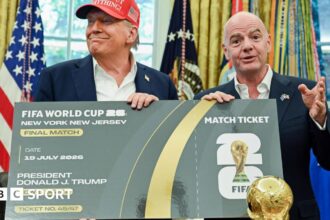
Following your team through an entire World Cup has always been a significant financial undertaking. However, the leap in cost from the 2022 tournament in Qatar to 2026 is not incremental; it’s astronomical. Where fans once budgeted for a major once-in-a-lifetime expense, they are now confronting figures that resemble a luxury asset purchase. The Football Supporters’ Association (FSA) has not minced words, labeling the ticket pricing structure a “laughable insult” to loyal fans. This isn’t mere grumbling; it’s a direct indictment of FIFA’s priorities. The analysis reveals a clear pattern: the expansion of the tournament to 48 teams, while promising more football, has been leveraged to create a new, ultra-premium pricing tier that places the “fan experience” firmly behind corporate profit.
Consider the raw numbers. While official packages vary, early estimates and released pricing tiers show that the cost of following a team from the group stage to the final could easily triple or quadruple compared to previous tournaments. This is before accounting for the unique challenge of 2026: a tournament spread across three massive countries and sixteen host cities. The financial burden isn’t just about the ticket; it’s a triple assault:
- Ticket Inflation: Category A tickets for marquee matches are set at levels accessible only to the wealthy or corporate clients.
- Cross-Continent Logistics: Fans face unpredictable internal flights and hotel costs across the U.S., Canada, and Mexico.
- Dynamic Pricing Surges: Anticipated algorithm-driven price hikes for travel and accommodation as match schedules solidify.
A Global Game for the Global Elite? The Human Cost of Exclusion
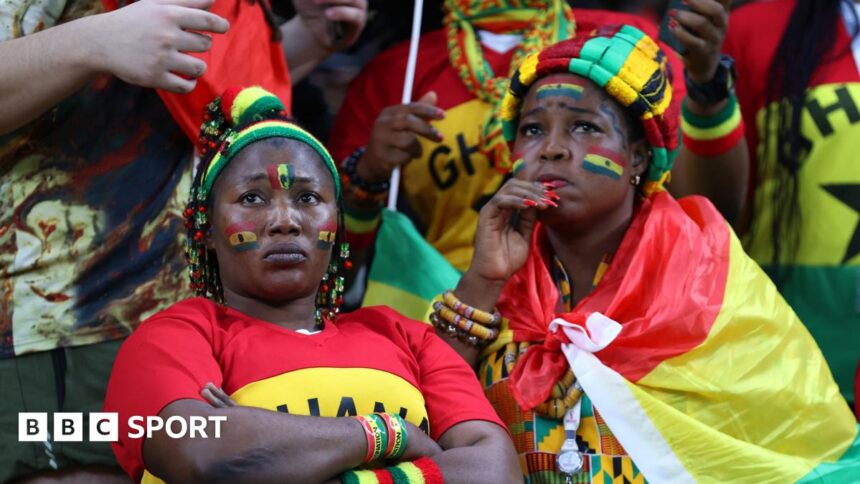
The most damning consequence of this pricing strategy is its disproportionate impact on supporters from smaller and less wealthy footballing nations. The World Cup’s magic has always been its inclusivity—the sight of vibrant, passionate fans from every corner of the globe. For the 2026 tournament, that tapestry is under threat. As one Ghana fan poignantly told the BBC, the prevailing emotion among Black Stars supporters is “anger and disappointment” as they are forced to cancel long-held plans. This sentiment echoes from Africa to Central America and beyond.
Expert analysis of wage-to-cost ratios paints a stark picture. For a supporter from a nation like Ghana, Senegal, or Ecuador, the face value of a single group-stage ticket could exceed a month’s wages back home. That is for one match. The idea of attending multiple games, let alone financing international flights and visas, becomes a financial fantasy. This creates a two-tiered tournament: one for fans from wealthy nations and corporate hospitality, and another, experienced from afar, for the rest. The authentic cultural exchange—the drumming, the singing, the shared joy in the stands—is sanitized and sold to the highest bidder. The stadiums risk becoming echo chambers of affluence, not cauldrons of genuine passion.
The Fan Backlash and the Future of Football’s Social Contract
The growing, organized backlash from supporter groups is a pivotal moment in the relationship between football’s governing bodies and its grassroots. The FSA’s powerful rhetoric is just the tip of the spear. Social media campaigns, coordinated statements from international fan alliances, and direct appeals to national federations are gaining momentum. This isn’t a fleeting complaint; it’s a foundational challenge to FIFA’s model. Fans are explicitly rejecting the notion that they are merely consumers in a football-themed entertainment product. They are stakeholders, the custodians of atmosphere and tradition, and they are demanding recognition as such.
This movement is forcing a critical conversation about the social contract of sport. Does FIFA have a responsibility to ensure its flagship event is accessible to a demographically diverse global audience, or is its sole duty to maximize revenue for its member associations? The current path suggests the latter. However, the long-term brand damage is significant. A World Cup remembered for empty seats in non-marquee matches, or for stadiums filled only with a neutral, wealthy clientele, will lose its claim to being the “world’s game.” The erosion of fan goodwill could spill over into domestic leagues, accelerating disillusionment with the sport’s modern direction.
Predictions and Pathways: Can the Damage Be Contained?
Looking ahead, the trajectory for fan accessibility appears grim, but not entirely without potential for mitigation. Several predictions and possible outcomes are now on the table:
- Last-Minute “Solutions”: Expect FIFA and local organizers to announce limited, tokenistic initiatives—such as a small number of discounted tickets for residents of competing nations—to quell the bad press. These will be inadequate but framed as a major concession.
- The Secondary Market Carnage: A rampant, expensive black market for tickets will flourish, further penalizing ordinary fans and enriching scalpers and unofficial agencies.
- Grassroots Innovation: Fans will organize en masse in host cities outside the stadiums, creating fan zones and cultural festivals that reclaim the tournament’s spirit, ironically highlighting the emptiness inside the venues.
- Legacy of Distrust: The 2026 pricing model will set a dangerous precedent for all future mega-events, including the 2030 and 2034 World Cups, permanently altering expectations of fan participation.
The only true pathway to correction is a fundamental rethink. FIFA must institute transparent, geographically-weighted pricing for future tournaments and mandate that a significant percentage of tickets are priced accessibly for international fans of participating teams. Partnerships with airlines and housing providers for capped-cost fan travel packages are not beyond the realm of possibility—if the will exists.
Conclusion: The Soul of the Game on the Balance Sheet
The anger and disappointment coursing through the global football community is a symptom of a deeper disease: the calculated extraction of every possible dollar from the sport, even at the cost of its identity. The 2026 World Cup is poised to be a spectacular logistical and television event, but it may also be the moment the sport’s disconnect from its base becomes irrevocably clear. When the cost of a ticket is a month’s wages, the message is unambiguous: you are a viewer, not a participant. The beautiful game has always been sustained by its ability to inspire hope and unite communities. By constructing a financial moat around its greatest festival, FIFA is not just pricing out fans; it is betting against the very passion that built its empire. The final whistle on this debate is far from blown, but the warning from the stands is clear and deafening: a sport that sells its soul to the highest bidder may find itself with nothing left to sell.
Source: Based on news from BBC Sport.