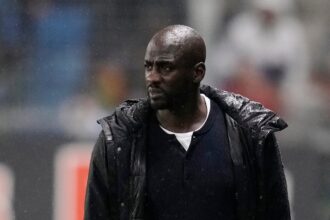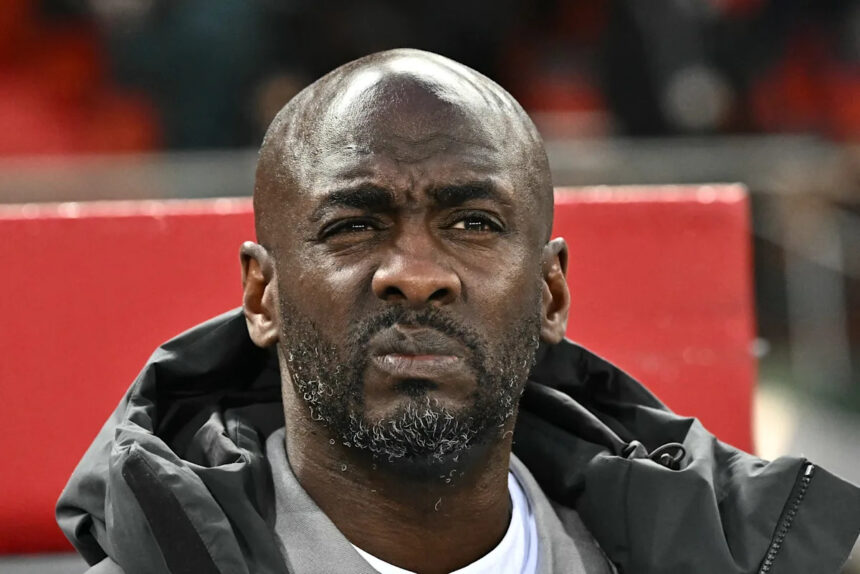
Ghana’s World Cup Gamble: Firing Otto Addo 72 Days From Kickoff Sends Shockwaves
The clock is ticking for the Ghana Football Association, but in a stunning and unprecedented move, they have chosen to smash the reset button with time nearly expired. Just 72 days before the Black Stars are set to open their 2026 FIFA World Cup campaign, the GFA has terminated head coach Otto Addo, effective immediately. The announcement, coming mere hours after a 2-1 friendly defeat to Germany in Stuttgart, plunges Ghanaian football into a state of profound crisis and raises a torrent of questions about the planning and stability of a nation with proud World Cup pedigree. This is not just a coaching change; it is a high-stakes gamble that could define Ghana’s footballing future for a generation.
A Decision Forged in the Fire of Failure
The official statement from the Ghana Football Association was terse, offering no reason for Addo’s dismissal and no hint of a successor. However, the context paints a damning picture. The loss to Germany was not an isolated incident; it was the exclamation point on a sentence of dismal results. The match in Stuttgart marked Ghana’s fifth consecutive defeat in friendly matches, a run that includes an embarrassing 5-1 thrashing by Austria just days prior. For a federation and a fanbase with sky-high expectations, this alarming trend of defensive disarray and tactical incoherence became untenable.
Otto Addo’s second stint at the helm was always a curious appointment. Hailed for his man-management in leading Ghana to the 2022 World Cup, where a dramatic win over South Korea offered a bright spot before a group-stage exit, his return in March 2024 was seen as a safe choice to build continuity. Yet, the recent fixtures revealed a team in regression. The Black Stars appeared devoid of identity, struggling to implement a clear style of play against varied opposition. Key players like Mohammed Kudus and Thomas Partey often seemed isolated, and a leaky defense conceded goals at an alarming rate. The GFA, facing a tsunami of public criticism, clearly decided that persisting with Addo posed a greater risk than the chaos of a last-minute search.
The Unprecedented Timing: A Calculated Risk or Pure Panic?
The most staggering aspect of this saga is the timing. Seventy-two days is not a footballing cycle; it is a sprint. For a new coach, this timeframe means:
- Zero time for tactical overhaul: Any new manager must simplify their ideas, focusing on defensive organization and set-pieces over complex philosophies.
- A rushed player assessment: Scouting and integrating new talent from the diaspora becomes a frantic, high-pressure endeavor.
- Immediate damage control: The first task is uniting a shell-shocked squad and restoring shattered confidence, not implementing a grand vision.
This decision forces us to ask: was this a calculated, if brutal, assessment that Addo had lost the plot and the dressing room, making any change a positive one? Or was it a reactive move by a panicked federation, swayed by the fury of a defeat to Germany and the vocal discontent of supporters? The lack of a named successor suggests the latter, indicating the GFA is now scrambling in a global market where top available managers are scarce. The risk is monumental. A poor start at the World Cup could see the team unravel completely, with long-term repercussions for player development and national pride.
Expert Analysis: The Minefield Ahead for the GFA
From a strategic standpoint, the GFA has walked into a minefield. The pool of elite coaches available for an immediate, short-term World Cup project is incredibly shallow. Their choice will speak volumes about their priorities. Will they opt for a firefighter manager—a seasoned, pragmatic tactician known for organizing teams quickly, even if the football is not stylish? Names like Otto Rehhagel, who performed miracles with Greece, or even a local legend like Kwesi Appiah, who has World Cup experience, fit this mold.
Alternatively, they may look to a diaspora-focused appointment, seeking a figure with deep connections to European football to further leverage the dual-nationality pipeline that brought them players like Kudus and Inaki Williams. This path is fraught with more uncertainty, as building relationships and understanding the unique pressures of leading an African national team cannot be rushed.
Furthermore, the new coach inherits a squad with clear imbalances. The defense is a glaring weakness, the midfield requires better structure without the ball, and the attack lacks a consistent, prolific number nine. Solving these issues in a handful of training camps before the world’s biggest tournament is a Herculean task. The manager’s first and most crucial job will be psychological: to make this group believe again after a brutal period of losses and very public rejection of their former leader.
Predictions: Navigating the Storm to USA 2026
The road to the 2026 World Cup, which Ghana will co-host in its opening stages, now looks exponentially more treacherous. The immediate predictions are unavoidably cautious:
- A Bumpy Start: Expect Ghana’s initial World Cup matches to be defined by extreme caution and a focus on defensive solidity above all else. Flashy, attacking football is a luxury for a team in this much turmoil.
- The “New Manager Bounce” Question: The short timeframe may ironically work in Ghana’s favor if the right personality is appointed. A clear, simple message and a fresh start could galvanize the squad, creating a potent “us against the world” mentality.
- Long-Term Reckoning: Regardless of the World Cup outcome, this episode must force a structural review. The cycle of hiring and firing, often aligned with political pressures within the GFA, is unsustainable. Ghana must decide on a long-term footballing identity and stick with it through inevitable rough patches.
The ultimate success of this gamble hinges almost entirely on the next appointment. A inspired, unifying choice could see the Black Stars coalesce into a dangerous, motivated underdog. A misstep, however, could lead to a disastrous World Cup performance that sets the program back years, especially with the immense pressure of hosting on the horizon in 2026.
Conclusion: A Defining Moment for the Black Stars
Ghana’s decision to part ways with Otto Addo 72 days before the World Cup is a story of desperation, high risk, and shattered timelines. It is an admission that the project had veered so far off course that continuing was deemed more dangerous than plunging into the unknown. The Black Stars now stand at a precipice. The coming weeks, as the GFA searches for a new helmsman, will be the most critical in recent Ghanaian football history.
This move strips away any margin for error. There is no time for a learning curve, for experimentation, or for gradual improvement. The new coach must be a master of rapid integration and psychological warfare. For the players, it is a chance at redemption, to prove their quality transcends recent form. For the nation, it is a nerve-wracking wait to see if this ultimate gamble will yield a moment of World Cup glory or become a cautionary tale for football federations worldwide. The whistle for the World Cup is about to blow, and Ghana is desperately searching for someone to lead the team out of the tunnel.
Source: Based on news from Yahoo Sports.