ICC Holds Firm: Bangladesh T20 World Cup Matches to Stay in India Amid Diplomatic Tensions
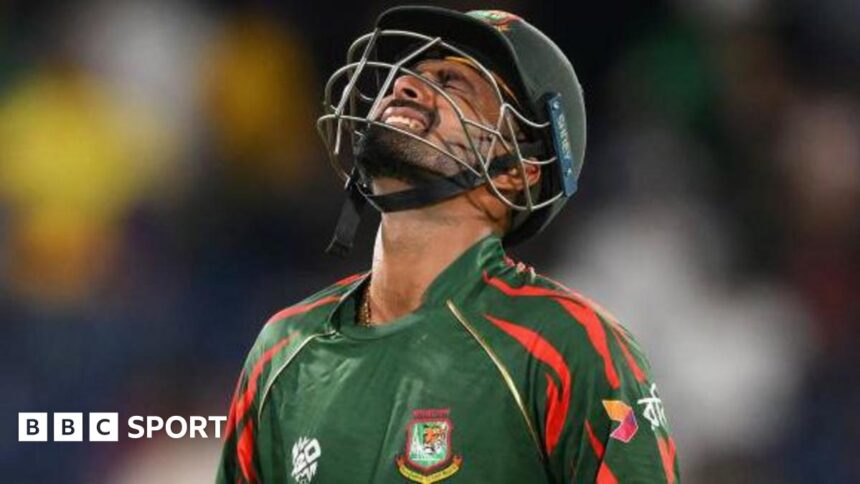
The stage for the upcoming T20 World Cup was briefly overshadowed by geopolitical unease this week, as the International Cricket Council (ICC) firmly rejected a formal request from the Bangladesh Cricket Board (BCB) to relocate their scheduled matches out of India. Citing unspecified safety concerns linked to simmering diplomatic tensions, Bangladesh’s appeal to move their games to co-host Sri Lanka was dismissed, setting a precedent that places tournament logistics and perceived precedent above political friction. The decision leaves the Bangladesh team, whose captain Litton Das admitted uncertainty over their participation, with a stark ultimatum: play in India or face expulsion from cricket’s global showcase.
A Request Born from Tension and a Swift, Unyielding Rejection
The roots of Bangladesh’s apprehension are complex, woven from recent bilateral tensions that extend beyond the boundary rope. While the ICC and Indian authorities have consistently guaranteed robust security for all teams, the BCB’s request highlighted a palpable anxiety within their camp. Their proposed solution—shifting their Group A matches against India, Australia, and others to Sri Lanka—was a clear attempt to navigate a politically charged atmosphere.
The ICC’s response, delivered in a statement on Wednesday, was unequivocal. The governing body presented a multi-faceted rationale for its denial:
- Logistical Impossibility: With the tournament commencing in less than a month, altering the complex, interwoven schedule for one team was deemed “not feasible.” Venues, broadcast arrangements, travel, and security plans are intricate puzzles finalized well in advance.
- Absence of Credible Threat: Crucially, the ICC stated it found no “credible security threat” to warrant such an extraordinary change. This assessment, presumably made in consultation with independent experts and host authorities, undercut the core of Bangladesh’s safety argument.
- Protecting the Tournament’s Sanctity: Perhaps the most significant reason was the dangerous precedent the ICC feared. Allowing a schedule change due to political tensions, rather than a clear and present security danger, could open the door for future nations to make similar demands, thereby “jeopardising the sanctity of future ICC events.”
Reports in the Indian media added a layer of urgency, suggesting the BCB was given a deadline to confirm their participation or risk being replaced in the tournament—a nuclear option that underscores the ICC’s commitment to its original plan.
Expert Analysis: The Delicate Balance of Sport and Statecraft
This incident is not merely a scheduling dispute; it is a case study in the increasingly complex intersection of international sport and diplomacy. From an organizational perspective, the ICC’s decision is defensible, even predictable. Global sporting events operate on rigid timelines and contractual obligations. Accommodating one nation’s political concerns, however genuine, without concrete security evidence, is a slippery slope. It risks politicizing the fixture list itself, where future hosts could face demands for relocation from nations with any form of diplomatic disagreement.
“The ICC’s primary mandate is to run a smooth, secure, and commercially viable tournament,” notes a veteran sports administrator familiar with ICC operations. “Their security apparatus is separate from bilateral politics. To grant this request would be an admission that their own security protocols are insufficient, which they clearly believe is not the case. It also places immense pressure on the host nation, in this case India, whose authorities have provided all necessary assurances.”
However, the perspective from Dhaka is equally understandable. The role of a national board is first and foremost to protect its players and staff. In an era where player mental well-being is paramount, the anxiety of competing in a potentially hostile environment—perceived or real—cannot be dismissed outright. Captain Litton Das’s candid “no idea” remark about participation reveals a state of unsettling limbo that is far from ideal preparation for a world cup.
This standoff highlights the limited agency of individual boards once the ICC machinery is in motion. The power dynamic is clear: the global governing body sets the terms, and member nations, especially those without the heft of the “Big Three,” must largely comply or face severe consequences.
Predictions: On-Field Repercussions and a Broader Legacy
With the decision final, the focus now shifts to the reaction and repercussions. Several outcomes are now in play:
- Bangladesh’s Participation is Assured: The most likely scenario is that Bangladesh, despite its misgivings, will confirm its participation before the deadline. The cost of missing a World Cup—financial, sporting, and in terms of fan morale—is simply too high. The players, as professionals, will likely compartmentalize their concerns once the tournament begins.
- Heightened Security and Scrutiny: Bangladesh’s matches in India, particularly their high-voltage clash against the host nation in North Sound, Antigua (which is outside India, ironically), will now be under an even more intense microscope. Expect a visible, top-tier security blanket and extremely cautious messaging from both teams and the ICC.
- Potential for Player Discomfort: The unresolved tension may manifest in subdued celebrations or a cautious demeanor from Bangladeshi players on Indian soil, especially if they face the hosts. The mental fortitude of the squad will be tested as much as their cricketing skill.
- A Lingering Diplomatic Chill: While the cricket will go on, this episode may leave a residual strain between the two boards. Future bilateral series scheduling and cooperation could become more complicated, demonstrating how off-field disputes can have a long tail.
Conclusion: A Precedent Set, But at What Cost?
The ICC’s firm rejection of Bangladesh’s request has drawn a clear line in the sand: the show, barring an act of war or terrorism, will go on as scheduled. In upholding the sanctity of its event calendar, the governing body has reinforced the principle that cricket tournaments cannot be reshuffled due to the ebb and flow of diplomatic relations. This decision will be cited for years to come as a benchmark when similar situations arise.
Yet, the resolution is not entirely clean. It comes at the cost of amplifying the anxieties of one of its full-member nations and exposing the sometimes-brutal pragmatism of global sport administration. The message to Bangladesh and other smaller cricketing nations is subtle but clear: in the ICC ecosystem, logistical continuity and the avoidance of precedent often trump individual board concerns, no matter how passionately felt.
As the T20 World Cup carnival begins, the hope is that the thrill of competition will eclipse these pre-tournament tensions. The challenge for Bangladesh is to transform their off-field disquiet into on-field focus. For the ICC, the challenge is to ensure that its steadfast commitment to schedule integrity is matched by an equally sensitive understanding of the complex realities its member nations navigate. The pitch has been prepared; now, both cricket and diplomacy must play their innings.
Source: Based on news from BBC Sport.