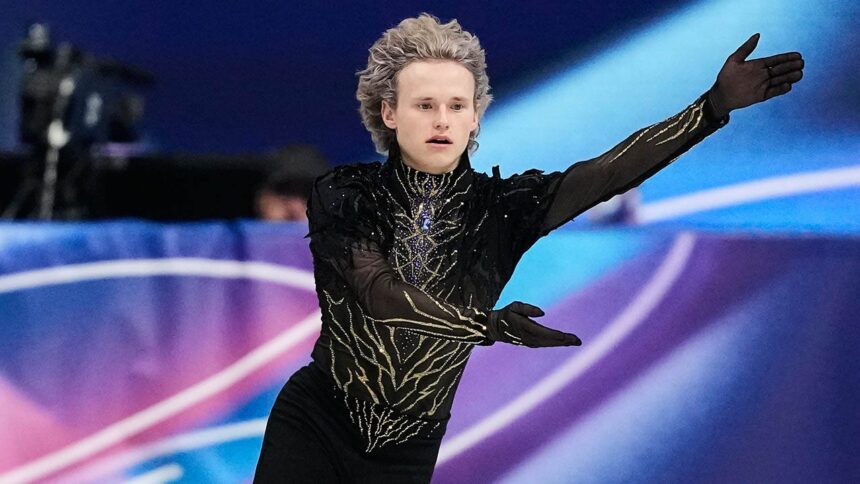
Ilia Malinin’s Candid Post-Olympic Revelation: A Stark Look at the Pressure Cooker of Gold Medal Expectations
The narrative was written, the gold medal seemingly preordained. Ilia Malinin, the “Quad God” who had redefined the limits of men’s figure skating with his unprecedented six-quad routines, arrived at the Milan Cortina 2026 Winter Olympics as the undisputed favorite. The world expected coronation. What transpired instead was a shocking eighth-place finish, marked by uncharacteristic falls and a visible fracture in the composure of the sport’s most explosive talent. Days later, moving beyond the headlines of the upset, Malinin offered a raw, unfiltered glimpse into the reality that every Olympic athlete faces but few articulate with such clarity: the immense, isolating weight of expectation.
The Unraveling of a Sure Thing: Milan 2026’s Stunning Plot Twist
Friday, February 13, 2026, was supposed to be Ilia Malinin’s date with destiny. Having dominated the Grand Prix circuit and captured world titles by landing jumps others wouldn’t attempt, the American phenom stood at the precipice of legend. The free skate began with its usual breathtaking ambition. Then, the first fall. Then, another. The ice, usually his canvas, became a slippery foe. The technical mastery that defined his career evaporated under the Olympic flame’s glare. The scoreboard told a brutal story: eighth place. In the immediate aftermath, the analysis was technical—a flawed boot, an early takeoff, the ice conditions. But the true explanation, as Malinin would later reveal, was far more profound and human.
This wasn’t merely an off night; it was a systemic collapse under a specific, immense pressure that only a handful of people on earth can understand. The Olympic pressure for a favorite is a unique beast, combining the hopes of a nation, the scrutiny of a global audience, and the lifetime dream of an athlete into a single four-minute performance. Malinin didn’t just skate for himself; he skated against the ghost of every prediction, every “gold medal lock” headline, and his own revolutionary reputation.
Beyond the Falls: Malinin’s Social Media Missive on Mental Toll
On Monday, in a move that resonated far beyond the figure skating world, Malinin took to Instagram. This was not a simple apology or a promise to come back stronger. It was a public service announcement on the psychology of high-stakes sport. He offered a “reminder to critics” and fans alike, pulling back the curtain on the mental toll of elite competition.
His message underscored several key, often ignored truths about competing at this level:
- The Olympic Stage is a Psychological Marathon: Athletes train for physical peak, but the Olympic environment is a relentless test of mental fortitude, media obligations, and emotional management over weeks, not just minutes.
- Outcome vs. Process: The public sees only the outcome—the medal or the fall. Malinin’s post highlighted the immense, often invisible, process of simply arriving at that moment healthy, focused, and ready.
- Human Behind the Headline: He reframed the conversation from “disappointment” to “human experience,” emphasizing that athletes are not machines programmed for gold but individuals navigating an extreme circumstance.
This vulnerability is rare for an athlete still in the eye of the storm. It transformed Malinin from a skating prodigy who fell into a Team USA figure skating ambassador for athlete mental health, garnering support from across the sports world.
Expert Analysis: The Anatomy of Olympic Pressure
To understand what happened to Malinin, one must dissect the ecosystem of expectation. Sports psychologists point to a perfect storm of factors that can undermine even the most prepared champion.
The “Home Ice” Pressure, Anywhere: While these Games were in Milan, Malinin competed as the “home” favorite in the digital and media sense. The Fox News Flash top sports headlines and every major sports platform had centered his narrative for months. This creates a virtual arena of expectation that an athlete carries with them onto every ice surface.
The Burden of Innovation: Malinin didn’t just aim to win; he aimed to win while pushing the sport’s technical envelope. This self-imposed standard of revolutionary performance adds a layer of complexity and risk that others don’t face. When your identity is tied to “the impossible,” attempting the “merely excellent” can feel like failure before you even begin.
The Post-Event Crucible: The expert analysis in the days following an upset is often its own form of trauma. Athletes are now subjected to an endless loop of their failure across social media and news platforms, a phenomenon Malinin directly addressed by urging perspective and empathy from critics.
The Path Forward: Predictions for Malinin and a Shift in Culture
So, what comes next for Ilia Malinin, and what does his experience signal for the future of Olympic sport?
For Malinin: This painful experience may forge a more complete, resilient athlete. History shows that many all-time greats—from Michelle Kwan to Michael Phelps—faced devastating Olympic setbacks before achieving their defining moments. Malinin’s technical prowess is undiminished. The challenge now is integrating this brutal lesson in pressure management into his preparation. We predict a period of reflection, followed by a ferocious and more psychologically armored return. His legacy will now be a quest for redemption, a powerful narrative that could define the next four-year cycle.
For Olympic Culture: Malinin’s Instagram post is part of a crucial, growing movement. It follows in the footsteps of athletes like Simone Biles and Naomi Osaka, who have prioritized mental well-being over public expectation. His words are a direct contribution to changing how we—media and fans—consume and critique the Olympic athletes participating in the Milan Cortina Games and beyond. The conversation is shifting from “What did you win?” to “What did it take to get here?”
Conclusion: A Fall on the Ice, A Stand for Humanity
Ilia Malinin’s eighth-place finish at the 2026 Winter Olympics will be a footnote in the record books. But his courageous post-competition vulnerability may be his most lasting impact. By hinting at the intense, often crushing pressure behind the glittering facade of the Games, he performed a service far greater than any single gold medal could provide. He reminded us that the Olympic spirit isn’t solely about triumph; it’s about the profound human struggle for excellence under unimaginable weight. The falls in Milan were not an end, but a brutal, public chapter in the development of a champion. The true measure of Ilia Malinin will not be the medal he didn’t win in 2026, but how the wisdom gained from that struggle shapes the athlete—and the person—he becomes next. The world expected a coronation; instead, it received a vital lesson in grace, pressure, and resilience. That may be the most valuable victory of all.
Source: Based on news from Fox Sports.