‘Incredibly Painful’ Williams Withdrawal Exposes F1’s High-Stakes Development Race
The roar of Formula 1 engines returning to the Circuit de Barcelona-Catalunya this week was accompanied by a deafening silence from one garage. For the first time in recent memory, the Williams Racing team, a name etched into the very fabric of the sport, was absent from pre-season testing. The team’s bold, and some would say shocking, decision to skip the crucial three-day test sent a ripple of surprise through the paddock, laying bare the brutal realities of F1’s relentless development war under a cost-cap era.
A Calculated Gamble or a Costly Setback?
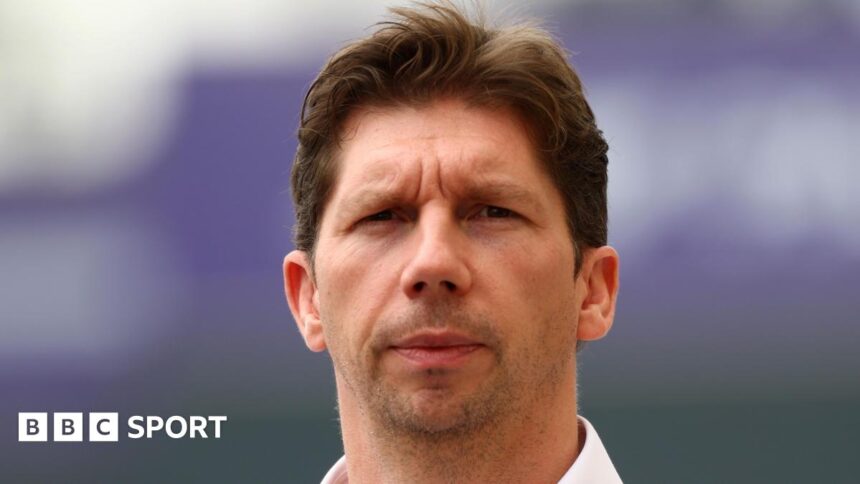
Team Principal James Vowles, the highly-regarded strategist poached from Mercedes three years ago to orchestrate Williams’ revival, framed the withdrawal as a necessary evil. In a starkly honest assessment, he called the situation “incredibly painful” but a direct consequence of the team’s aggressive push for performance. “The result of our determination to push the limits of performance under the new regulations,” Vowles stated, pointing not to a single catastrophic failure, but to a cascade of minor delays in the complex manufacturing and supply chain.
This isn’t a story of a broken chassis or a faulty engine. Instead, it’s a tale of marginal gains gone awry in the timeline. Under the strict financial regulations, teams cannot simply throw money at a problem to accelerate part production. Every component, especially those pushing new aerodynamic concepts, must be meticulously validated. A delay in a single key part can hold up the entire build process, as subsequent components cannot be signed off without it. For Williams, chasing a radical step forward with their 2024 car, the gamble on an aggressive development timeline appears to have backfired, at least in the short term.
- Aggressive Timeline: Pushing the “limits of performance” meant designing parts to the very last possible moment, leaving no buffer for delays.
- Supply Chain Strain: The entire F1 ecosystem is stretched thin, with top teams and smaller squads like Williams competing for the same specialist manufacturing resources.
- No Financial Bailout: The cost cap prevents Williams from spending its way out of the crisis, forcing a strategic, if painful, decision.
Vowles’ Transformation: Finding Pain Points at Speed
James Vowles’ tenure at Williams has been defined by a clear-eyed, no-nonsense approach to rebuilding a fallen giant. He has consistently highlighted the deep-rooted infrastructural and cultural issues he inherited. In that context, his statement about the testing withdrawal is telling: “If you want to transform at speed, you need to find the pain points and put them right very quickly.”
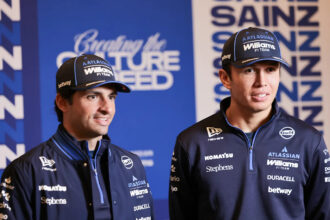
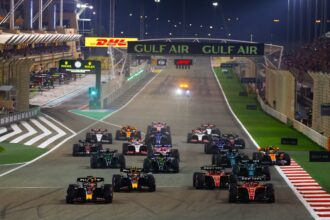
This episode is perhaps the most public and severe “pain point” identified yet. By pushing the organization to its absolute limit, Vowles has exposed a critical vulnerability in the team’s processes. The pre-season test is invaluable; it offers thousands of kilometers of data on reliability, tire wear, and car balance in varying conditions. Missing it means Williams will head to the first race in Bahrain fundamentally underprepared. Their drivers, Alex Albon and Logan Sargeant, will have zero kilometers in the new FW46, turning the race weekend into an extended, high-pressure test session.
However, Vowles’ philosophy suggests this short-term agony is a calculated part of a long-term strategy. It’s better to discover these systemic weaknesses now, under his stewardship, than to have them repeatedly hamper development later in the season. The question is whether the lost learning from Barcelona will create a deficit too large to overcome in the fiercely competitive midfield.
The Ripple Effect: Driver Morale and Season Prospects
The human element of this setback cannot be overstated. For the drivers, particularly Logan Sargeant who is fighting to secure his long-term future in F1, the loss of track time is a significant blow. While simulators are advanced, they cannot replicate the physical and nuanced feedback of a real car on a real track. Alex Albon, the team’s leader and star performer, loses a crucial opportunity to fine-tune the car’s base setup, something he excels at.
The team’s decision to withdraw also places immense pressure on the entire race weekend in Bahrain. Their program will be a frantic scramble of checks:
- Reliability Verification: The first priority will be ensuring the car can run race distances without issue.
- Basic Setup: Engineers will be building a setup from scratch, using data from rivals as a benchmark—a major disadvantage.
- Performance Sacrifice: Any meaningful performance upgrades will likely take a backseat to fundamental operational tasks.
Realistically, this likely condemns Williams to a difficult start to the 2024 season. Rivals like Haas, Alpine, and RB will have three days of testing data to analyze and build upon. Williams will be playing catch-up from the moment the lights go out in Sakhir.
Expert Analysis: A Defining Moment for the Vowles Era
From a broader perspective, this moment is a pivotal test of James Vowles’ leadership and the patience of the team’s owners. There are two potential narratives emerging.
The Negative Spin: This is a monumental unforced error that highlights ongoing operational failings. It wastes precious track time, demoralizes the team, and potentially sacrifices early championship points, which are vital for morale and financial reward in the constructors’ standings. It could be seen as evidence that the transformation is not happening “at speed,” but is instead stalling.
The Positive Spin (as Vowles frames it): This is the harsh but necessary price of ambition. By refusing to compromise on the performance of the car to make an arbitrary deadline, Williams is showing a new, ruthless prioritization of ultimate speed over convenience. The pain of Barcelona, if it leads to a fundamentally faster car for the majority of the season, will be viewed as a strategic masterstroke. It demonstrates a break from the team’s past culture of just making do.
The truth will be found in the performance of the FW46. If the car shows clear signs of being a genuine step forward when it finally hits the track in Bahrain, the testing miss will fade into a bold footnote. If the car is uncompetitive or plagued by the issues testing was meant to uncover, the decision will be heavily scrutinized.
Conclusion: Pain Now, Gain Later?
Williams’ “incredibly painful” absence from Barcelona is more than a simple logistical failure. It is a stark symbol of the immense pressure and precision required in modern Formula 1. Under the visionary but demanding leadership of James Vowles, the team has chosen a high-risk, high-reward path. They have traded guaranteed, but potentially limited, track time for the hope of a more competitive machine.
This gamble will define the early part of their 2024 campaign. The missed test is a significant setback, virtually guaranteeing a rocky start to the season. However, Vowles has bet his strategy on the long game. He has willingly exposed a critical “pain point” in the full glare of the world’s media to force rapid and lasting change within Grove. The success or failure of this painful decision won’t be judged in Bahrain, but over the course of the entire season. One thing is certain: the pressure on the Williams garage when the cars finally roll out in anger will be immense, and the world will be watching to see if their painful sacrifice was worth it.
Source: Based on news from BBC Sport.