IndyCar Secures Its Future: Honda and Chevrolet Ink Multiyear Pact, Usher in New Hybrid Era
The roar of the engines will continue with familiar names behind them. In a landmark announcement that stabilizes the sport’s competitive foundation for the remainder of the decade, IndyCar has finalized a multiyear agreement with Honda and Chevrolet to remain the exclusive original equipment manufacturers (OEMs) for the NTT IndyCar Series. This deal not only extends a successful partnership but strategically aligns the manufacturers with the series’ ambitious technical roadmap, ensuring stability through a pivotal period of evolution.
A Foundation of Rivalry and Reliability
Since 2012, the Honda vs. Chevrolet rivalry has defined the modern era of IndyCar competition. This dynamic, born after Honda’s six-year stint as the sole engine supplier, has been the lifeblood of the sport, pushing development, fostering intense on-track battles, and giving teams and fans a compelling technological narrative. From the streets of Long Beach to the hallowed bricks of the Indianapolis Motor Speedway, the duel between the Bowtie and the ‘H’ has produced some of the most memorable moments in recent racing history.
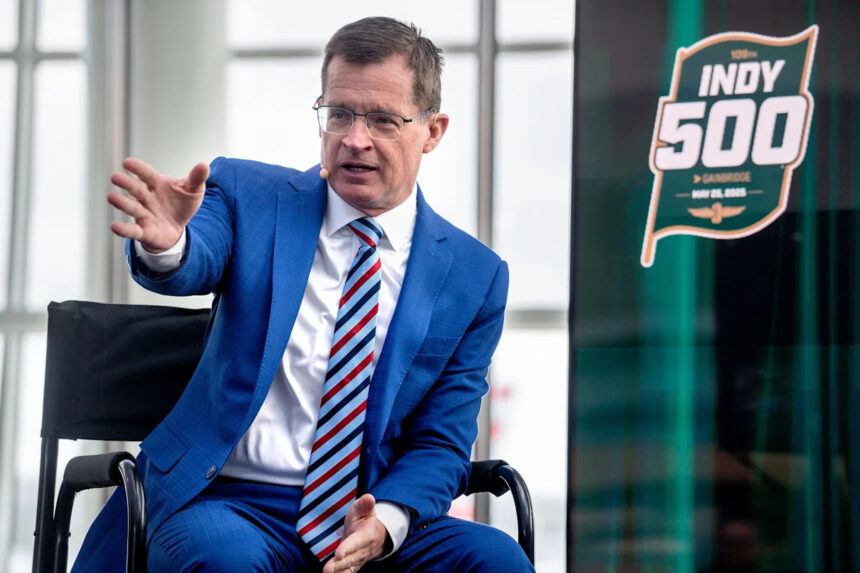
IndyCar President Doug Boles framed the new agreement as a transformative commitment. “This is a monumental day for IndyCar, fueled by a massive and historic commitment from two of our best and most trusted partners,” Boles stated. He emphasized the collaborative effort, noting, “Chevrolet and Honda have worked tirelessly with us over the last 12 months to get to this point, and both have made it very clear that they are fully committed to this sport and invested in continuing the positive momentum.” This sentiment underscores that the deal is more than a simple extension; it’s a vote of confidence in IndyCar’s direction from two automotive giants.
The Roadmap: Bridging to a New Power Unit
The technical details embedded within the agreement provide a clear and exciting timeline for the future of IndyCar powertrains. The path is designed to ensure a seamless transition to the next generation of machinery.
- 2027 Season: Honda and Chevrolet will continue to supply and develop the current 2.2-liter twin-turbocharged hybrid V6 engines. This allows the hybrid system, introduced in 2024, to reach full maturity and provides a stable platform for teams.
- 2028 Season: The dawn of a new technical era. Both manufacturers will debut the new 2.4-liter twin-turbocharged hybrid V6 engines, which will power the next-generation Indy car chassis. This represents a significant increase in displacement and is expected to deliver a substantial power boost, potentially surpassing 900 horsepower in hybrid-assisted form.
While complete powertrain parameters for the 2028 car remain under wraps, the commitment from Honda and Chevrolet to engineer these new power units is the single most critical element for the project’s success. It guarantees a competitive, two-manufacturer battle from the very first green flag of the new era.
Strategic Depth: The OEM Charter Entitlement
Beyond the engines, the new agreement introduces a fascinating strategic layer: OEM charter ownership. Beginning in 2028, both Honda and Chevrolet will be entitled to own one chartered car each. IndyCar’s charter system, implemented in 2025, is a franchise-like model that guarantees entry into every race (except the Indy 500) and provides financial stability through the Leaders Circle program.
This move is a masterstroke with multiple implications:
- Manufacturer Involvement: It allows Honda and Chevrolet to have a direct, vested competitive interest beyond simply supplying engines to teams. They can strategically place this charter with a partner team, potentially nurturing talent or creating a flagship development program.
- Grid Stability: It locks in two full-time entries for the long term, further solidifying the series’ grid size and quality.
- Competitive Balance: The agreement includes a crucial safeguard: teams already at the maximum of three charters cannot acquire a fourth through this OEM entitlement. This prevents the largest teams from expanding their footprint further and maintains a competitive balance across the paddock.
Expert Analysis: What This Deal Truly Means for IndyCar
From a sporting and business perspective, this agreement is a resounding success for IndyCar. In an automotive landscape rapidly shifting toward electrification, securing long-term commitments from two legacy internal combustion engine manufacturers is no small feat. It provides the series with something invaluable: predictability.
Teams can now plan their technical and commercial futures with certainty, knowing who their engine partners will be and what the technical trajectory looks like through 2028 and beyond. This stability is the bedrock upon which teams attract sponsors and make multiyear investments.
Furthermore, the deal strategically navigates the OEMs’ own roadmaps. The hybrid V6 architecture, growing to 2.4 liters, allows Honda and Chevrolet to showcase advanced, high-performance hybrid technology that remains relevant to their brand narratives. It’s a bridge between traditional racing passion and the industry’s technological future, giving the manufacturers a compelling platform for engineering and marketing.
Predictions for the New Era
With the manufacturer question settled, the focus now shifts to the competition itself. The 2028 season is poised to be a monumental reset.
First, the development race for the 2.4-liter hybrid V6 will begin in earnest behind closed doors. The clean-sheet design could momentarily disrupt the competitive order, offering a chance for one manufacturer to seize an early advantage. However, the long-standing equilibrium between Honda and Chevrolet suggests a fierce and closely matched battle will quickly emerge.
Second, the use of the OEM charters will be a subplot to watch. Will manufacturers use them to create “factory” teams in all but name? Could they become landing spots for promising young drivers or veteran stars, directly influenced by the manufacturer? This adds a new dimension of strategy to the team-manufacturer relationship.
Finally, this stability makes IndyCar a more attractive prospect for a potential third OEM. With the rules set and the leading players committed, a new entrant would have a clear and stable framework to evaluate, rather than entering during a period of uncertainty.
The Checkered Flag: Momentum Solidified
IndyCar’s new multiyear pact with Honda and Chevrolet is far more than a routine contract renewal. It is the strategic linchpin for the series’ next decade. By aligning manufacturer commitment with a clear technical evolution and integrating them into the business model through charters, IndyCar has secured its core and built a launchpad for growth.
The message is clear: the thunderous symphony of the hybrid V6, played in the key of Honda versus Chevrolet, will be the soundtrack of IndyCar for years to come. For fans, this guarantees the continuation of a legendary rivalry. For the sport, it provides the stable foundation needed to accelerate into a new, more powerful future. The journey to 2028 is now officially on, and the grid is set for a thrilling ride.
Source: Based on news from Yahoo Sports.