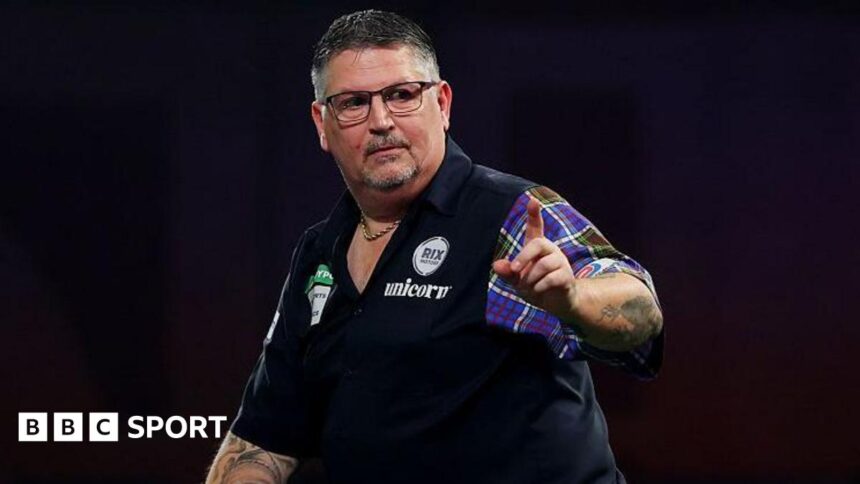
Gary Anderson Blasts Darts ‘Influencers’ as ‘A Load of Rubbish’
The world of professional darts is a unique blend of intense sporting pressure, raucous entertainment, and deeply ingrained tradition. It’s a sport where respect is earned through years of dedication, calloused fingers, and the relentless pursuit of a 180. So, when one of its most revered champions takes aim at a modern phenomenon, the darts world takes notice. Following a hard-fought 3-2 victory over Niels Zonneveld at the World Masters, two-time world champion Gary Anderson launched a scathing critique, dismissing the rise of darts influencers as “a load of rubbish.” His comments have ignited a fiery debate about authenticity, expertise, and the very soul of the sport in the digital age.
The Flying Scotsman’s Unfiltered Verdict
In a characteristically forthright post-match interview, Anderson left no doubt about his feelings. “I don’t [watch] YouTube, but I’m watching – what do you call them? – influencers. ‘How to play darts’ – I’ve never seen the bloke in my life,” Anderson stated. He went further, questioning the core premise of their popularity: “I’ve watched him play darts, he’s absolutely rank at it, so why watch him?” For Anderson, a player whose career is a testament to grueling practice and natural, peerless talent, the notion of an unproven personality teaching the craft is not just confusing—it’s an affront.
Anderson’s perspective is rooted in a career forged on the traditional path. His journey from the working men’s clubs of Scotland to the pinnacle of the sport at Alexandra Palace is the stuff of legend. His expertise was honed in smoky pubs and on the professional circuit, not in front of a ring light. His comments highlight a fundamental clash of cultures: the old guard’s meritocracy versus the new digital economy where personality and content creation can sometimes eclipse proven skill.
Expert Analysis: Tradition vs. The Algorithm
Anderson’s outburst is more than just a grumpy veteran’s rant; it’s a symptom of a broader tension in modern sports. Darts, perhaps more than any other sport, has a sacred connection to its grassroots. The path to professionalism is famously democratic, yet brutally demanding. The idea that someone can bypass this entire ecosystem and gain authority through viral videos and subscriber counts challenges the sport’s established hierarchy.
However, sports marketing experts urge a more nuanced view. “Gary Anderson is the guardian of the sport’s technical soul, and his point about authentic expertise is valid,” one analyst noted. “But the influencer phenomenon is not about replacing the Gary Andersons of the world. It’s about creating a parallel, accessible entry point. An influencer might not have a 100+ average, but they can make darts look fun, approachable, and less intimidating to a generation that discovers everything online.”
The key distinction lies in intent. The professional circuit is about elite competition. The influencer space is primarily about entertainment and community building. The conflict arises when these spheres overlap, and an audience, particularly new fans, might struggle to distinguish between a world-class technician and a charismatic amateur offering tips.
- Anderson’s Viewpoint: Authority must be earned through proven, high-level performance. The sport’s integrity is paramount.
- The Influencer Role: Acts as a gateway, lowering barriers to entry and growing the sport’s overall popularity through relatable content.
- The Core Conflict: A debate over who has the right to teach and represent the sport to a mass audience.
The Double-Edged Sword of Digital Growth
There’s no denying the positive impact digital media has had on darts. The PDC’s own social channels and streaming platforms have been instrumental in its global boom. Influencers, often operating with high production values and engaging challenges, have undoubtedly brought new eyes to the game. They demystify the sport, showcase the fun of playing at home, and can create a sense of community for casual players who will never step onto a stage.
Yet, Anderson’s critique points to a potential risk: the dilution of standards. If the most visible “teachers” online lack high-level technique, could they inadvertently promote bad habits? Furthermore, does the focus on personality and viral moments overshadow the sheer athletic dedication required to reach the top? For purists like Anderson, the spectacle must never undermine the sport’s fundamental respect for skill.
This tension isn’t unique to darts. Golf, fitness, and even cooking have seen similar debates where traditional masters question the credentials of internet stars. The difference in darts is the sport’s deeply ingrained, everyman ethos—which ironically, is the very quality that makes it ripe for influencer content.
Predictions: Will the Bullseye Split the Difference?
Looking ahead, this clash is unlikely to result in a clear winner. Instead, the darts ecosystem will likely evolve to accommodate both worlds.
We can predict a future where the paths become more distinct, yet occasionally intersect. The PDC and major tournaments will continue to be the domain of the elite athletes like Anderson, where legacy is everything. Meanwhile, the digital space will flourish with entertainment-focused content. The smartest move may be for the two worlds to collaborate selectively. Imagine a popular darts influencer hosting a series with a top-32 professional breaking down a specific checkout—this would marry reach with undisputed authority.
Furthermore, the next generation of players will themselves be digital natives. We may soon see pros who build their personal brands through YouTube and TikTok from the start, effectively merging the influencer model with genuine world-class talent. This could ultimately bridge the gap that Anderson currently sees.
Conclusion: Respecting the Craft, Embracing the Crowd
Gary Anderson’s comments are a vital, passionate defense of the values that made him and the sport great. They are a reminder that at its core, darts is about an almost supernatural level of skill, nerve, and practice. His dismissal of influencers is a plea to not confuse entertainment with education, and popularity with proficiency.
However, the future of darts, like all sports, is undeniably digital. The challenge for the sport’s stewards is to harness the incredible energy and audience that online creators bring, while protecting and celebrating the uncompromising standards of its champions. The goal should not be to build a wall, but to create a signpost: one that guides new fans from the fun, accessible world of online content to the breathtaking brilliance of the professional stage, where legends like Gary Anderson continue to do the real teaching, one perfect dart at a time.
Source: Based on news from BBC Sport.