Lions’ Aaron Rodgers Memories: From Fake Birthday Wishes to the Hail Mary Heartbreak
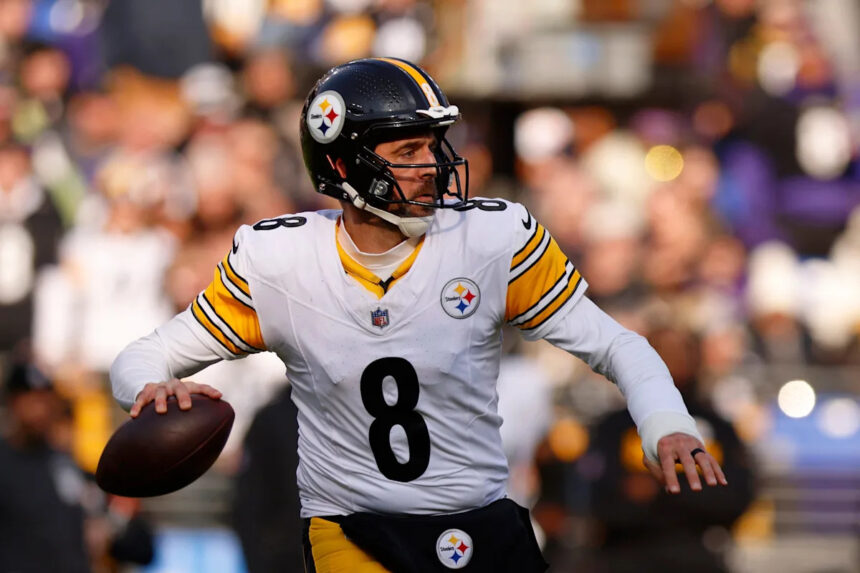
In the NFL, few players have authored narratives against a single franchise quite like Aaron Rodgers against the Detroit Lions. The ledger is filled with last-second daggers, miraculous comebacks, and a psychological warfare that extended far beyond the white lines. For the Lions, now poised in the NFC North driver’s seat, Rodgers’ departure from Green Bay closed a painful chapter. But for the men in the Detroit locker room who faced him, the memories are indelible, personal, and often laced with a wry smile of retrospective disbelief. If you played against Aaron Rodgers, you have a story. And as the Lions’ current defensive staff and players reveal, those stories are a unique blend of awe, frustration, and a masterclass in competitive gamesmanship.
The Anatomy of a Rodgers Heartbreak: Kelvin Sheppard’s Last-Second Lesson
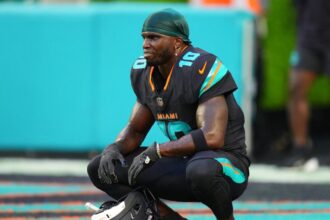
For Detroit Lions defensive coordinator Kelvin Sheppard, his Aaron Rodgers memory isn’t from a Lions-Packers game, but it perfectly encapsulates the torment Rodgers inflicted for over a decade. Sheppard was a linebacker for the Miami Dolphins in 2014 when Rodgers, with six seconds left and no timeouts, took a shotgun snap at Miami’s 4-yard line.
“I think it was on Philip Wheeler,” Sheppard recalled, his memory still precise. “I think he hit Phil in the end zone towards the end of the game (with 3 seconds left) on like a back pylon or something.” The play was a masterstroke of improvisation. Rolling right, Rodgers threw across his body, against the grain, to a tightly covered Andrew Quarless for the game-winning touchdown. For Sheppard, now tasked with designing defenses, the play is a permanent teaching tool.
It represents the non-negotiable discipline required for 60 minutes—or 59:57—against a quarterback who treated the final three seconds as his personal canvas. “You learn that with a guy like that, the play is never dead,” Sheppard might tell his unit. The coverage was there, the pressure was decent, but the margin for error was zero. That single snap is a microcosm of the Lions’ own history with Rodgers: so close, yet so devastatingly far, with a flick of his wrist deciding everything.
The Psychological Warfare: Marcus Davenport and the “Happy Birthday” Fakeout
While Sheppard’s memory is of strategic heartbreak, defensive end Marcus Davenport’s story highlights Rodgers’ legendary and often mischievous mind games. In 2021, playing for the New Orleans Saints, Davenport sacked Rodgers a few days after his own 25th birthday. As the players untangled, Rodgers offered a casual, “Happy birthday.”
In the moment, Davenport was pleasantly surprised. “I was like, ‘Oh, he knows?’” he recalled. The brief ego boost, the thought that an all-time great had a dossier on him, was quickly popped. “Then I realized, he doesn’t know when my birthday is. He was just saying I got a birthday gift.” The sack, in Rodgers’ view, was a fluke—a present handed to Davenport, not earned.
This is the psychological chess match Rodgers played. He weaponized charm and specificity to deliver a subtle, belittling trash talk. It was a move designed to get in a young player’s head, to make him question the merit of his own success. For the Lions, who faced him twice a year, this was a constant subplot. Rodgers’ audibles, his hard counts, his sideline glances, and his post-whistle comments were all part of a comprehensive strategy to gain a mental edge that was as sharp as his physical talent.
Key Rodgers Traits Remembered by Opponents
- Pre-Snap Mastery: An uncanny ability to identify blitzes and expose coverage flaws before the snap.
- The Trash-Talk Illusion: Using seemingly friendly banter to deliver pointed psychological jabs.
- Clutch Gene DNA: A statistical and anecdotal reality of performing his best with the game on the line.
- Improvisational Artistry: Turning broken plays into game-winning highlights, as seen in the “Miracle in Motown” Hail Mary.
More Than Just Game Day: The Omnipresent Shadow of 12
For players like veteran defensive back Avonte Maddox, the Rodgers effect started long before taking the field against him. “The memories started before he competed against Rodgers on the field,” as noted. For an entire generation of NFC North defenders, and especially for the Lions, Rodgers was the central antagonist in weekly preparation. Game plans for 17 weeks a year could be distilled into two distinct categories: “The Rodgers Game” and “Everyone Else.”
The film study was more intense, the coverage rules more rigid, the emphasis on lane discipline for pass rushers paramount. Coaches would show clip after clip of Rodgers extending plays, of him hitting impossible throws, of him stealing wins. He wasn’t just a player on the schedule; he was a specter that loomed over the entire building in the weeks leading up to the matchup. This created a unique pressure and, for those who eventually found a way to win, an unparalleled sense of accomplishment.
Looking Forward: The Lions’ New Era in a Post-Rodgers Division
With Aaron Rodgers now in the AFC, the psychological and strategic landscape of the NFC North has fundamentally shifted. The Lions, under Dan Campbell and Brad Holmes, have built a formidable, tough, and talented roster that now expects to win the division. The absence of Rodgers’ twice-annual threat is a tangible weight lifted.
Expert analysis suggests this is more than just a sentimental change. It alters the entire calculus of the division race. Green Bay, while talented, is breaking in a new quarterback. The Lions’ defense, coordinated by Sheppard—who carries the scar tissue of that 2014 Rodgers magic—can now attack with more variety and aggression against less seasoned QBs. The “Rodgers Factor,” that intangible element where a 10-point lead felt fragile, is gone. The Lions’ memories of those heartbreaks now serve as fuel and a warning: dominance is earned by sustaining a standard, not just by the absence of a great foe.
The final prediction is clear: The Detroit Lions are the present and future of the NFC North. But their past, riddled with the iconic and painful moments authored by Aaron Rodgers, is what makes this new chapter so compelling. The fake birthday wishes, the Hail Marys, and the last-second touchdowns are not just stories; they are the foundational scars of a rivalry that forged the resilience of this current Lions team. They remember the pain not with bitterness, but with the hardened perspective of survivors who have finally reached the other side. The book on Rodgers vs. the Lions is closed, but the lessons learned from its most challenging chapters are now being applied to write a championship story of their own.
Source: Based on news from Yahoo Sports.